


A Rare Four-Wheel-Drive Wagon From the Golden Age Reveals How SUV Design Started
An exceptional piece of automotive history is heading to auction: a 1948 Mercury Eight Wagon equipped with a factory-approved four-wheel-drive conversion. This striking vehicle offers a fascinating glimpse into how the SUV category evolved from practical family wagons into the dominant segment we see on American roads today.
Why This 1948 Mercury Matters to Modern SUV Shoppers
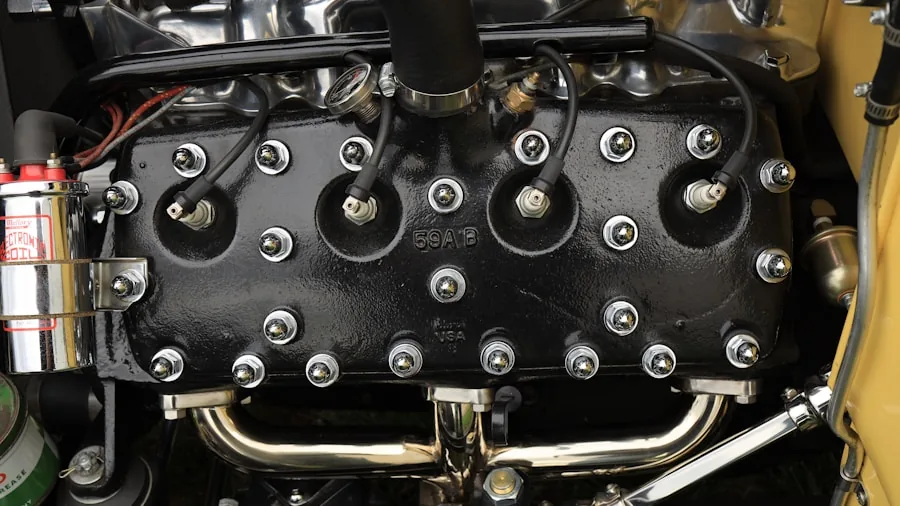
The Mercury brand disappeared from Ford’s lineup in 2010, but this wagon demonstrates what the brand might have created had it survived into the modern SUV era. Back in 1948, families needed versatile vehicles that could handle both paved roads and rougher terrain. The Mercury wagon answered that call with three rows of bench seating, generous cargo space, and the reliability of a flathead V-8 engine producing roughly 100 horsepower.
The real innovation, however, was the Marmon-Herrington four-wheel-drive conversion. This Indianapolis-based specialist company retrofitted civilian vehicles with genuine four-wheel-drive capability at dealerships, a practice that foreshadowed today’s custom truck shops and aftermarket SUV builders. Four-wheel-drive options were extraordinarily rare for civilian buyers in the 1940s, making this wagon one of the earliest mass-market attempts at an all-terrain family vehicle.
Vintage Engineering vs. Modern SUV Standards
Today’s SUV shoppers expect independent suspension, eight-speed transmissions, and electronically controlled all-wheel-drive systems. This 1948 Mercury operates on completely different principles. The three-speed manual transmission includes synchromesh to smooth gear changes, and the vehicle is honestly rated for sustainable speeds around 40 mph. Modern highway commutes would be out of the question, but the Mercury was never designed for that purpose.
What remains impressive is the engineering philosophy: use a strong engine, provide multiple seating rows, maximize cargo capacity, and add traction when needed. These remain the core features of SUVs and crossovers in 2025. Whether you’re maintaining a vintage collector vehicle or caring for a new model, proper detailing tools like quality foam cannons help preserve a vehicle’s condition regardless of its age or original design.
The Interior Design: Where This Wagon Excels
The most remarkable aspect of this Mercury is its interior woodwork. The construction rivals that of classic sailing ships, with carefully selected and finished wood panels throughout the cabin. Interestingly, the original AM radio has been modernized with Bluetooth capability, and the dashboard clock uses a quartz movement, creating a charming blend of vintage aesthetics and contemporary convenience.
This mixed-era approach mirrors how today’s SUV buyers often want classic styling cues combined with modern technology. Luxury SUV makers have learned that customers appreciate wood trim, leather upholstery, and timeless design paired with advanced infotainment and safety systems.
Recent Maintenance Ensures Reliability
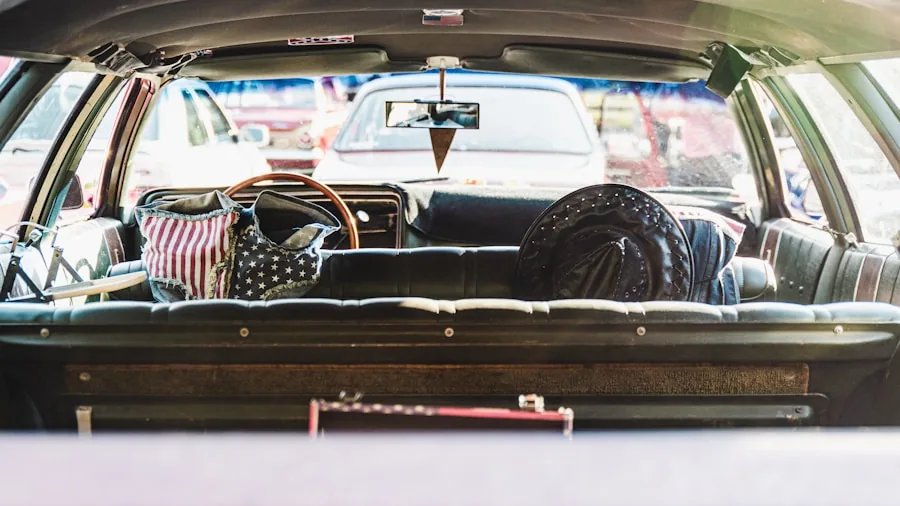
This particular Mercury has been refurbished and stored within private collections, but it remains fully functional rather than a static museum piece. Recent work completed in 2024 included full engine and transmission removal and inspection, brake servicing, and axle repairs. The current owner describes it as ready for leisurely driving adventures.
Whether you own a vintage classic or a modern SUV, regular maintenance and inspection are essential. Vehicle accessory upgrades can improve safety and comfort, such as premium steering wheel covers for extended driving sessions or reliable windshield wipers for all-weather visibility.
What This Means for Today’s SUV Market
The 1948 Mercury woody represents an important inflection point in automotive history: the moment when manufacturers recognized that families wanted multi-purpose vehicles capable of genuine off-road travel. This concept evolved directly into the modern SUV segment, which now accounts for the majority of new vehicle sales in America.
The auction represents more than just the sale of a vintage rarity. It reflects collector interest in the early development of vehicle categories that shape how we drive today. The Mercury woody proved that buyers would pay for expanded seating, cargo capacity, and terrain capability, even at the cost of speed and efficiency. That fundamental consumer preference remains the driving force behind SUV design seventy-five years later.
The auction concludes on July 22 and has already drawn significant interest from collectors and automotive enthusiasts worldwide. Whether you appreciate vintage engineering, SUV history, or simply love the craftsmanship of post-war American automobiles, this Mercury wagon tells an important story about how vehicles evolved to meet family needs across generations.






Write Your Review
No reviews yet. Be the first to share your experience!