
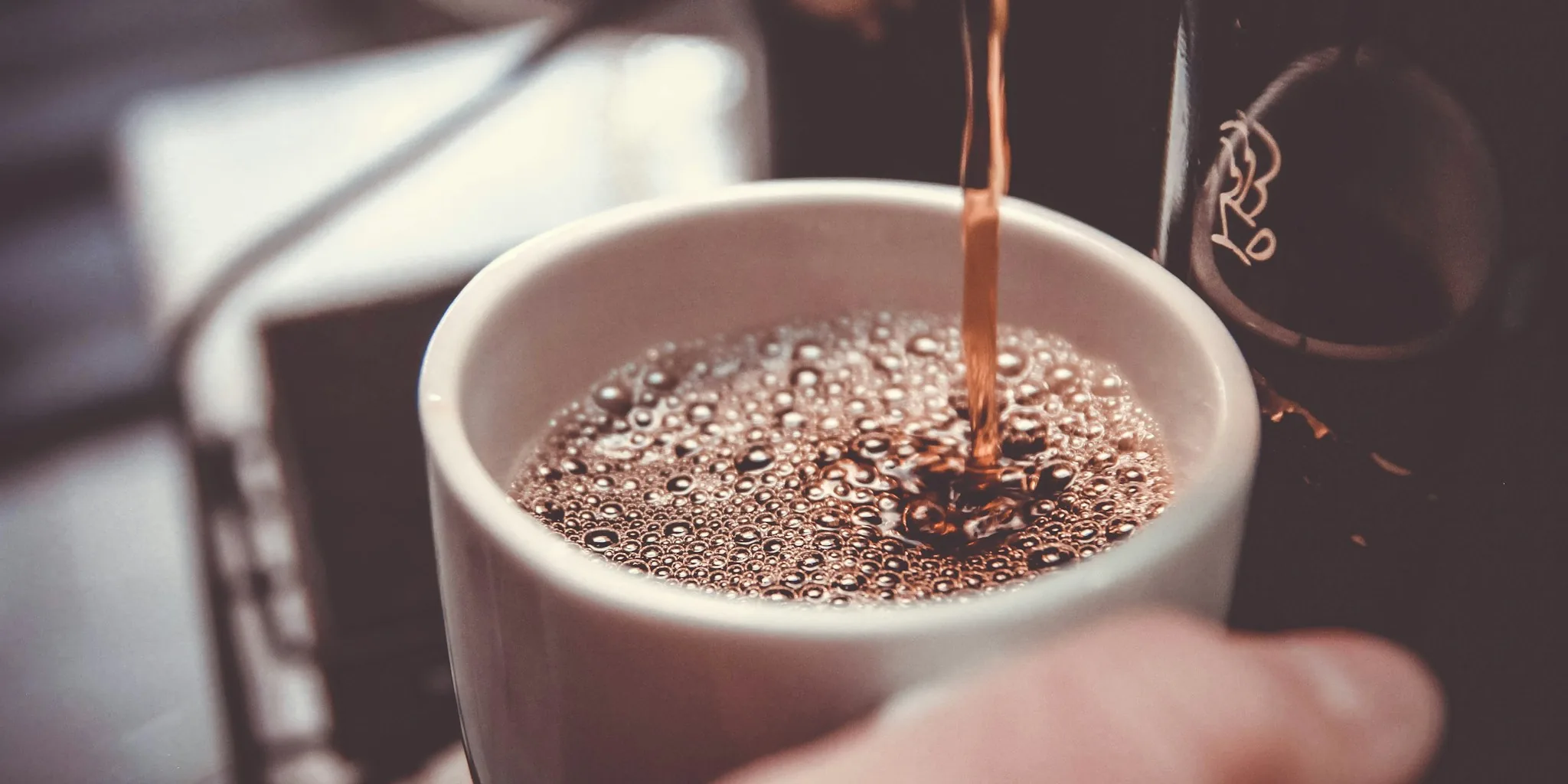

What Means Strong Coffee New Research Shows It Depends on Who You Ask
When shoppers browse coffee selections and reach for a bag labeled “strong,” they may believe they know exactly what they are getting. But recent research reveals the answer is far more complicated than package labeling suggests. A new study from Brazilian researchers published in the Journal of Sensory Studies found that “strong coffee” means dramatically different things to different people, shaped by cultural background, personal preference and habit.
The findings matter for anyone buying coffee, because understanding what strength really means can help you find beans that match your actual taste preferences rather than misleading marketing claims.
How Researchers Defined Strong Coffee
Investigators conducted in-depth conversations with 35 coffee drinkers across two Brazilian cities, asking them what “strong” coffee meant to them. The team also ran guided tastings where participants sampled three different coffee preparations: a specialty 100 percent arabica, a gourmet 100 percent arabica, and a traditional arabica-robusta blend.
Across all interviews, consumers most frequently connected strength to sensory qualities like bitterness, dark color, roasted aroma and heavy body. When asked to complete sentences about strong coffee, respondents used words like “dark,” “bitter,” “full-bodied,” “smoky” and “astringent.” Some shoppers also linked strength directly to caffeine, describing it as a functional boost that helps them wake up and stay alert.
Yet here is where the complexity emerged: the same qualities that made coffee feel strong to one person made it feel unpleasant to another. The qualities signaling strength to enthusiasts signaled harshness, burnt flavor or low quality to skeptics.
What Shoppers Actually Think About Strong Coffee
When asked directly whether they liked strong coffee, fewer than one-third of participants said yes. That 31.5 percent group appreciated the energy and alertness that came from stronger brews. However, 34.2 percent said they actively disliked strong coffee, associating it with excessive bitterness, poor roasting techniques or inferior bean quality. The remainder had mixed or neutral views.
During the guided tastings, the gaps in perception became even clearer. Specialty coffee, despite its premium positioning, was often rated as “weak” by participants, though many appreciated its balanced flavor profile and aromatic qualities. Traditional coffee blends, by contrast, struck most tasters as excessively strong, heavily roasted and bitter, sometimes requiring added sugar to become enjoyable. Gourmet coffee occupied middle ground, receiving mixed reactions.
This inconsistency reveals a critical disconnect between how the specialty coffee industry defines strength and how everyday shoppers experience it. In specialty circles, strength typically refers to measurable technical factors like brew ratios, extraction time and flavor intensity. But for regular consumers, strength carries emotional weight, connects to habit and relates to quality expectations shaped by cultural background.
What This Means for Your Coffee Shopping
Understanding these findings can guide your purchasing decisions in practical ways. When you see “strong” on a bag, remember that label reflects one producer’s interpretation, not a universal standard. If you prefer the best coffee beans for your brewing method, focus on other descriptors like roast level, origin, flavor notes and bean type rather than relying solely on strength claims.
If you enjoy bold, energizing morning coffee, you might prefer traditional blends or darker roasts, which tend to deliver the heavy body and intense flavor many people associate with strength. If you prefer balanced, nuanced flavor, the best organic coffees often highlight complexity over sheer intensity. Personal experimentation remains your best tool for finding what “strong” actually means to your palate.
The research also underscores why coffee producers, roasters and retailers need to communicate more clearly about what makes their coffee distinctive. Marketing language that assumes universal understanding of “strength” can disappoint shoppers who have different sensory expectations. Better descriptions that specify roast level, flavor profile and intended brewing method help buyers make informed choices aligned with their actual preferences.
Brazil, which produces roughly one-third of the world’s coffee and ranks second globally in consumption by volume, has long shaped cultural attitudes toward coffee globally. The study notes that coffee appears in 98 percent of Brazilian households and plays a role in everything from morning routines to social gatherings, giving the nation outsized influence over how people worldwide think about coffee.
The bottom line for shoppers: when hunting for your next bag of coffee, look beyond simple strength claims. Consider what specific sensory qualities you actually enjoy, whether that is dark roast character, aromatic complexity, smooth body or clean finish. That approach will serve you better than chasing a label with no universal meaning behind it.



Write Your Review
No reviews yet. Be the first to share your experience!