


Major car manufacturers are rapidly phasing out traditional physical buttons and replacing them with touchscreen controls and voice commands. BMW’s latest vehicle models, particularly those built on the Neue Klasse platform, represent the most dramatic shift yet away from conventional switchgear. According to BMW Group Australia’s leadership, this transformation isn’t driven solely by cost or profit margins, instead, the automaker attributes the change directly to the preferences of younger car buyers.
What Younger Buyers Want From Modern Cars
BMW’s CEO for Australia stated that customers under 45 years old show a clear preference for touchscreen and voice-activated controls over mechanical buttons. These younger drivers have grown up with smartphones and digital interfaces, making them more comfortable interacting with vehicles through touch and voice technology. The executive noted that this generation expects rapid response times and seamless multitasking capabilities, which digital systems can theoretically provide better than traditional buttons.
This generational preference isn’t isolated to BMW. Tesla established a pioneering reputation by forcing nearly all functions onto a center screen, and newer EV manufacturers like Rivian have followed suit. Established automakers including Mercedes-Benz and Mazda have also progressively shifted more functions away from physical controls toward digital interfaces in their recent model years.
What This Means for Car Shoppers
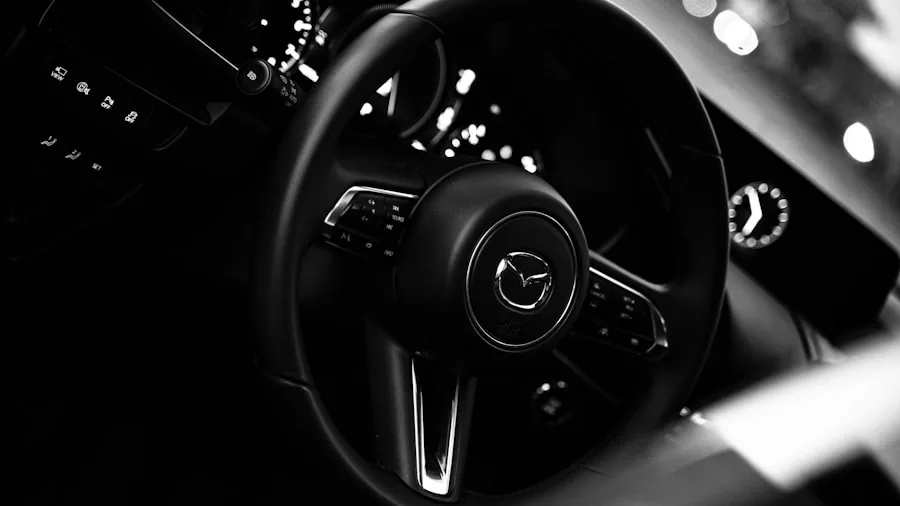
The transition away from physical buttons has significant implications for anyone shopping for or driving a modern vehicle. Climate controls, audio adjustments, and numerous other frequently-used functions now require navigating touchscreen menus while driving. Window switches represent one of the few remaining exceptions in many new models, typically retained on the door panels for safety and accessibility reasons.
For consumers who prefer tactile feedback and straightforward mechanical controls, this trend represents a notable disadvantage. Touchscreen operation requires visual attention and can complicate tasks that once took a single button press. Additionally, if a vehicle’s central screen malfunctions, accessing basic climate or audio controls becomes problematic or impossible. Drivers should consider this when test-driving new vehicles and evaluating whether touchscreen-dominated interfaces align with their driving preferences.
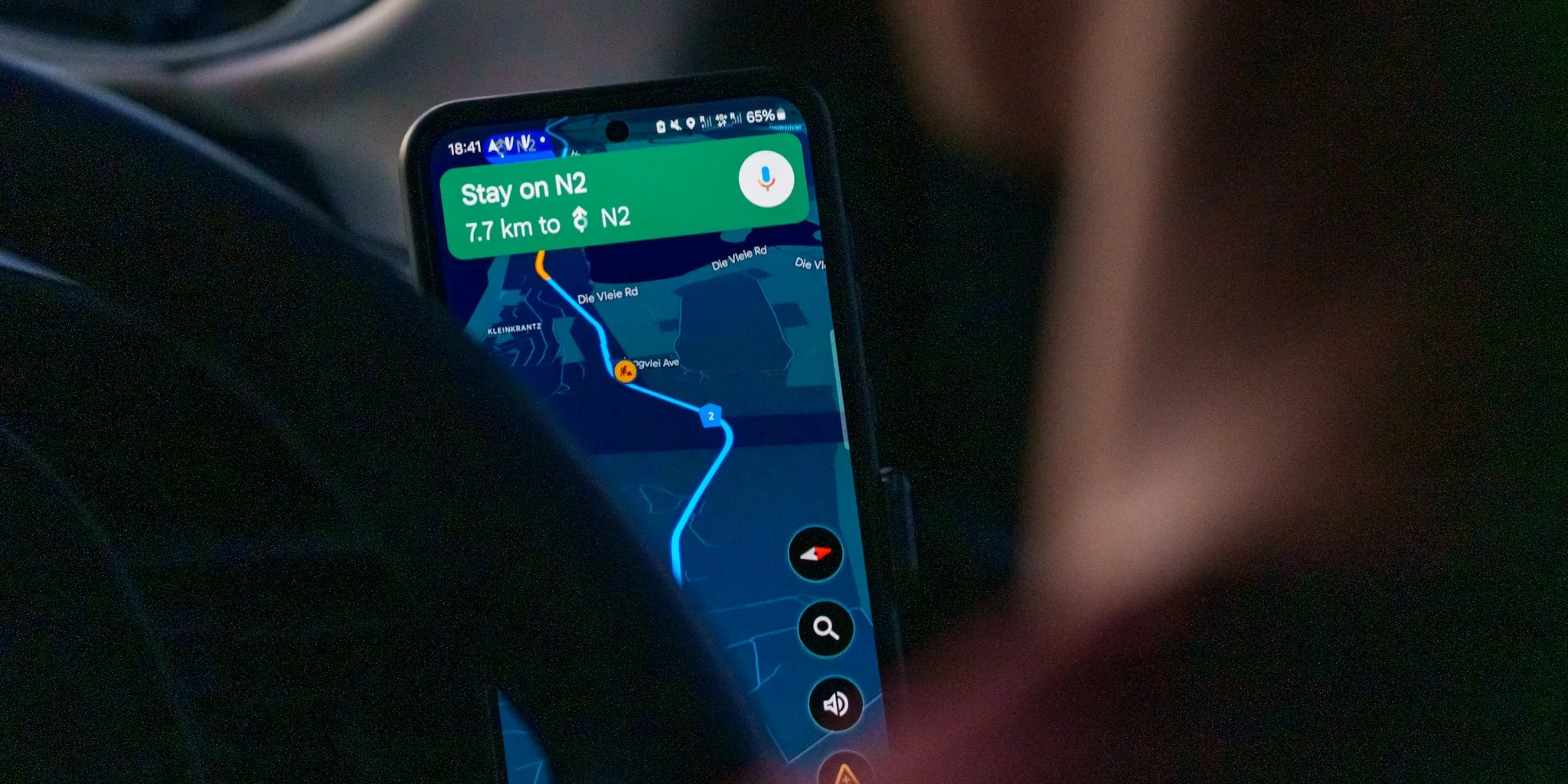
When shopping for vehicles, you might also want to consider accessories that work with digital systems. Car phone mounts designed for every vehicle type can help you interact with your phone-based vehicle controls more safely while driving. Similarly, car air fresheners compatible with various vehicle types offer a traditional way to personalize your cabin alongside modern digital features.
The Broader Industry Trend

The automotive industry’s shift toward digital controls reflects broader technological evolution in society. Manufacturers argue that this approach aligns vehicle interfaces with how consumers already interact with smartphones, tablets, and other daily-use devices. Voice commands and touch responses promise convenience and integration with broader digital ecosystems.
However, this transition raises questions about distracted driving and usability. Requiring drivers to look at screens to adjust basic vehicle functions contradicts decades of safety research emphasizing the importance of controls that operate through muscle memory and tactile feedback. Regulators have begun scrutinizing these designs, though formal restrictions remain limited.
Making Your Shopping Decision
If touchscreen-heavy interfaces concern you, shop for vehicles that still retain physical buttons for critical functions like climate control and audio. Many brands offer models with varying levels of digital integration, allowing you to prioritize your preferences. During test drives, specifically spend time adjusting common functions to evaluate how the interface feels during actual driving conditions.
Consider also that the best car speakers for different budgets and vehicle types might be more easily integrated into vehicles with digital audio controls. As the industry continues evolving, understanding how individual vehicle designs balance tradition and technology becomes increasingly important for your satisfaction as an owner.
The automotive landscape continues shifting toward younger consumer preferences. Whether this trend toward digital controls ultimately improves the driving experience or creates unintended complications remains an open question. What’s certain is that shoppers evaluating new vehicles today need to carefully consider how much screen interaction suits their driving style and personal comfort levels.





Write Your Review
No reviews yet. Be the first to share your experience!