
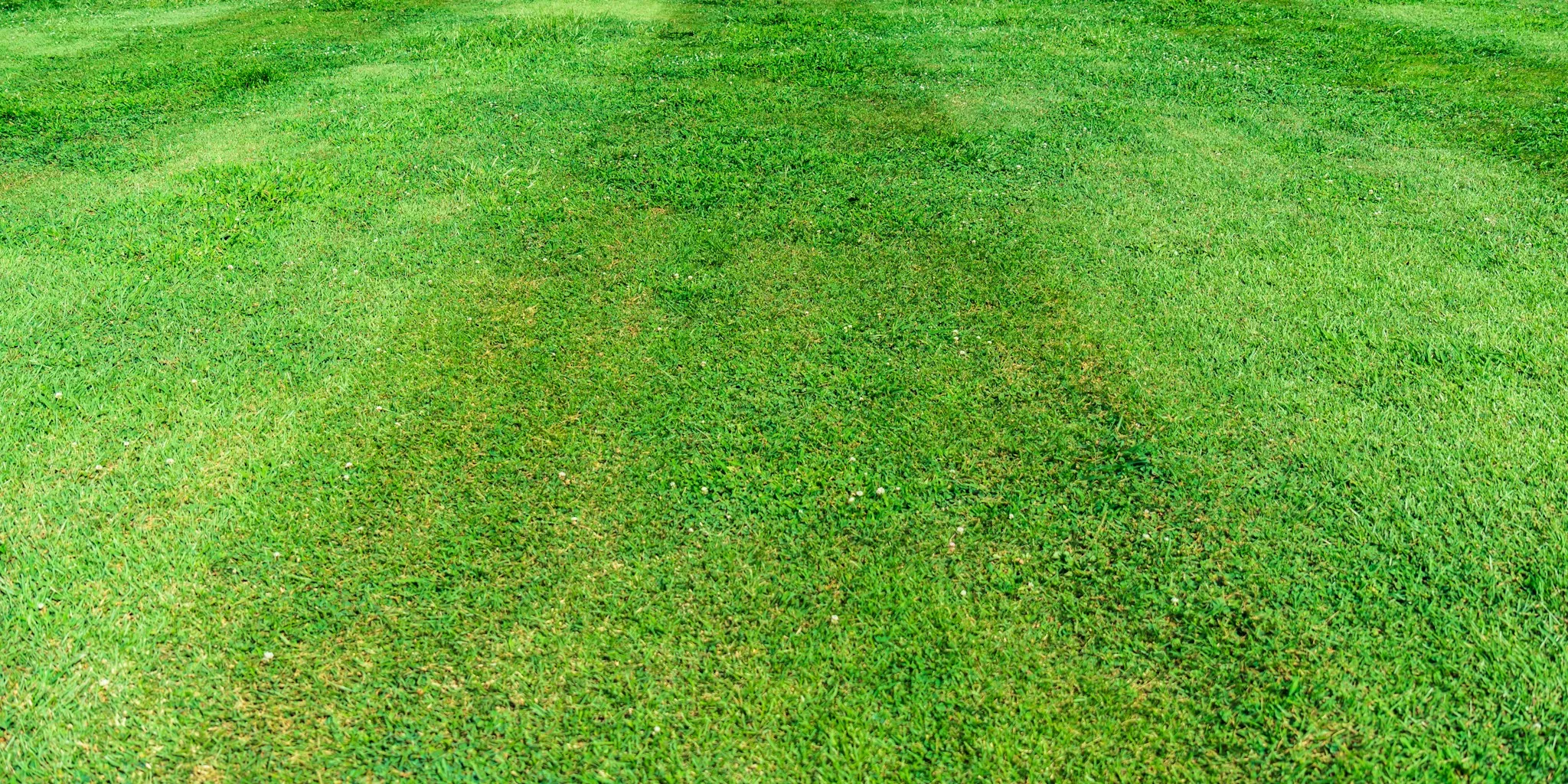

November is your final window to prepare your lawn for winter’s harsh conditions. Once freezing temperatures lock in your soil, it becomes difficult to perform essential maintenance. Whether you have cool-season grasses like fescue and bluegrass or warm-season varieties such as Bermuda and Zoysia, taking action now will protect your turf and ensure it thrives when spring arrives.
Check Your Soil Temperature First
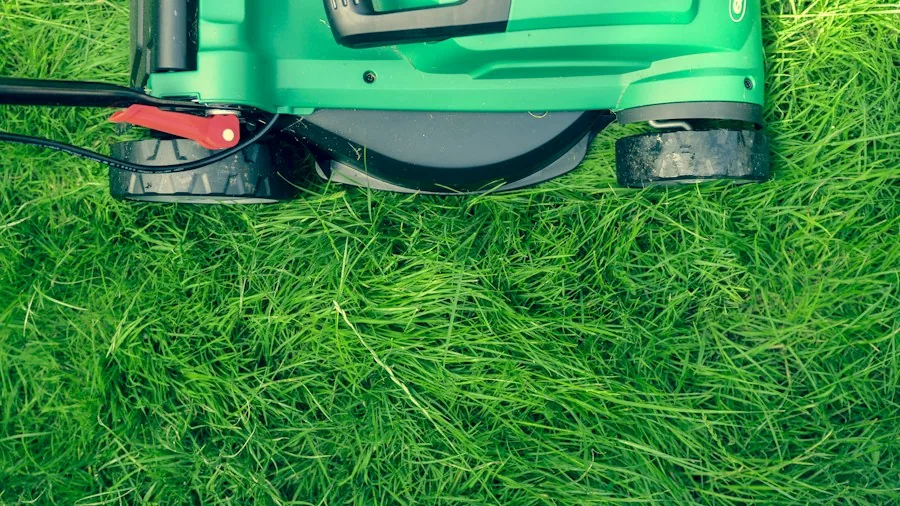
Before starting any autumn lawn work, monitor your soil temperature. Cool-season grass roots taper off growing once soil drops below 45 degrees Fahrenheit, while warm-season varieties are already approaching dormancy. This timing affects every task you’ll undertake. Additionally, verify your mower blades are sharp. Dull blades shred dormant grass tips, creating brown wounds that lose moisture and invite cold-weather fungal disease.
Remove Fallen Leaves Promptly
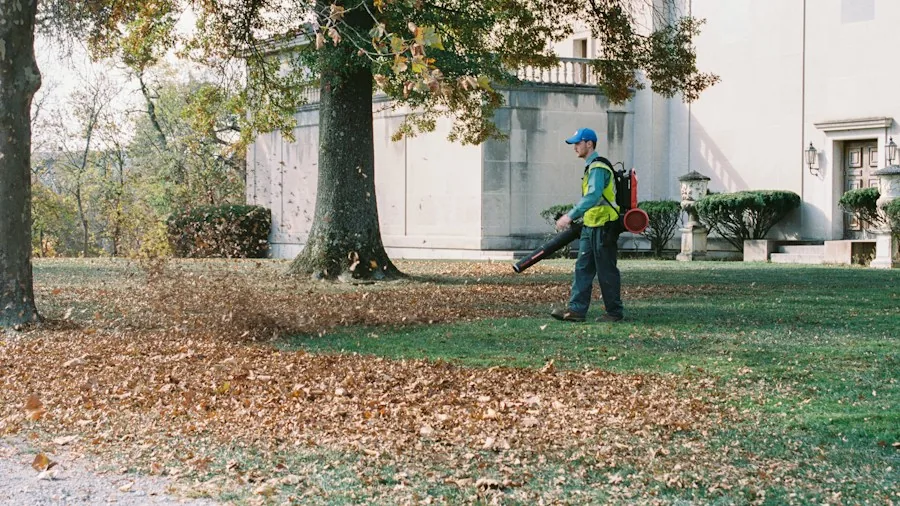
Heavy leaf cover suffocates turf by blocking sunlight, trapping moisture, and restricting airflow. For light leaf scatter, a mulching mower works well, returning nutrients to soil. For dense coverage from mature trees, rake or blow leaves away immediately. Pay special attention to fence lines and lawn dips where wind deposits leaves in thick drifts. Bare patches caused by smothered turf won’t recover until spring growth resumes.
Time Your Final Lawn Cut Correctly
The ideal final mowing height depends on your grass type. Cool-season grasses can still grow into November if weather remains mild, so check local soil temperatures. Warm-season lawns in southern regions may already be dormant. Cut cool-season grasses to 2 to 2.5 inches and warm-season varieties to 2 inches. Cutting too short exposes tender root crowns to frost heave and wind damage, while leaving grass too tall causes blades to fold under snow, creating dense mats that trap moisture and promote disease. After your final cut, clean the mower deck thoroughly, drain fuel or run the carburetor dry, and store the equipment away.
Apply Final Fertilizer Only If Appropriate
Late-fall fertilization helps cool-season grasses tremendously. Their roots remain active through November and absorb nitrogen and potassium, supporting strong root development and spring green-up. Apply fertilizer while grass is still green and before soil freezes solid. Contact your local extension office for exact timing in your region.
Never fertilize warm-season grasses in November. These varieties are entering dormancy, and added nutrients could trigger new growth with zero cold tolerance, leaving your lawn vulnerable to winterkill during sudden freezes. Wait until spring to feed warm-season turf.
Adjust Watering and Winterize Systems
Shorter days and cooler weather reduce evaporation significantly. Running summer watering schedules wastes water and risks waterlogging. Water cool-season turf only when the top two inches of soil feel dry, and only if rainfall falls below one inch per week. Irrigate during morning hours so grass blades dry before nightfall.
Winterizing irrigation systems is critical. Trapped water in pipes and sprinkler bodies expands when frozen, cracking valves and rupturing lines. Turn off the main water shutoff, deactivate the controller, and blow out lines with an air compressor or open manual drain valves. Disconnect and drain all garden hoses, storing them indoors. Leaving pressurized hoses attached to outdoor spigots traps water inside the sillcock, causing burst interior pipes during winter.
Address Bare Patches Through Prep and Planning
Bare patches discovered in November frustrate homeowners, but spreading seed now wastes time and money. Soil temperatures across most regions have dropped below the 50 to 55 degrees needed for germination. Seed will absorb moisture, fail to sprout, rot in cold mud, or be eaten by birds.
Use November to diagnose the cause. Is the patch caused by compacted soil from foot traffic, poor drainage, pet urine, or heavy shade? Aerate the soil with a hand cultivator, add light compost, and plan spring overseeding. If your area receives reliable winter snow cover, try dormant seeding by spreading cool-season seed over prepared soil just before the first major snowfall. Freeze-thaw cycles work seeds into soil for uniform germination in March.
Protect Grass from Winter Damage
Dormant grass loses natural elasticity and becomes vulnerable. Walking, driving, or playing on frosted turf fractures brittle blades and crushes delicate crowns, creating marks and ruts that won’t heal until spring growth resumes. Keep people and pets off the grass for the next few months. Move playsets and equipment away from lawn areas.
Rock salt from nearby driveways and sidewalks runs off into lawn edges, drawing moisture from grass roots and creating toxic soil conditions. Switch to plant-safe de-icing compounds instead. Avoid late-season core aeration or power dethatching, which damages grass preparing for dormancy.
Prioritize Based on Your Lawn Type
Not every task applies to every yard. Focus on your specific grass type, monitor weather forecasts, prioritize leaf removal, time your final cut correctly, manage water appropriately, and limit traffic on vulnerable winter grass. These November efforts protect your turf through harsh conditions and set the foundation for a healthy, vigorous lawn come spring.





Write Your Review
No reviews yet. Be the first to share your experience!