
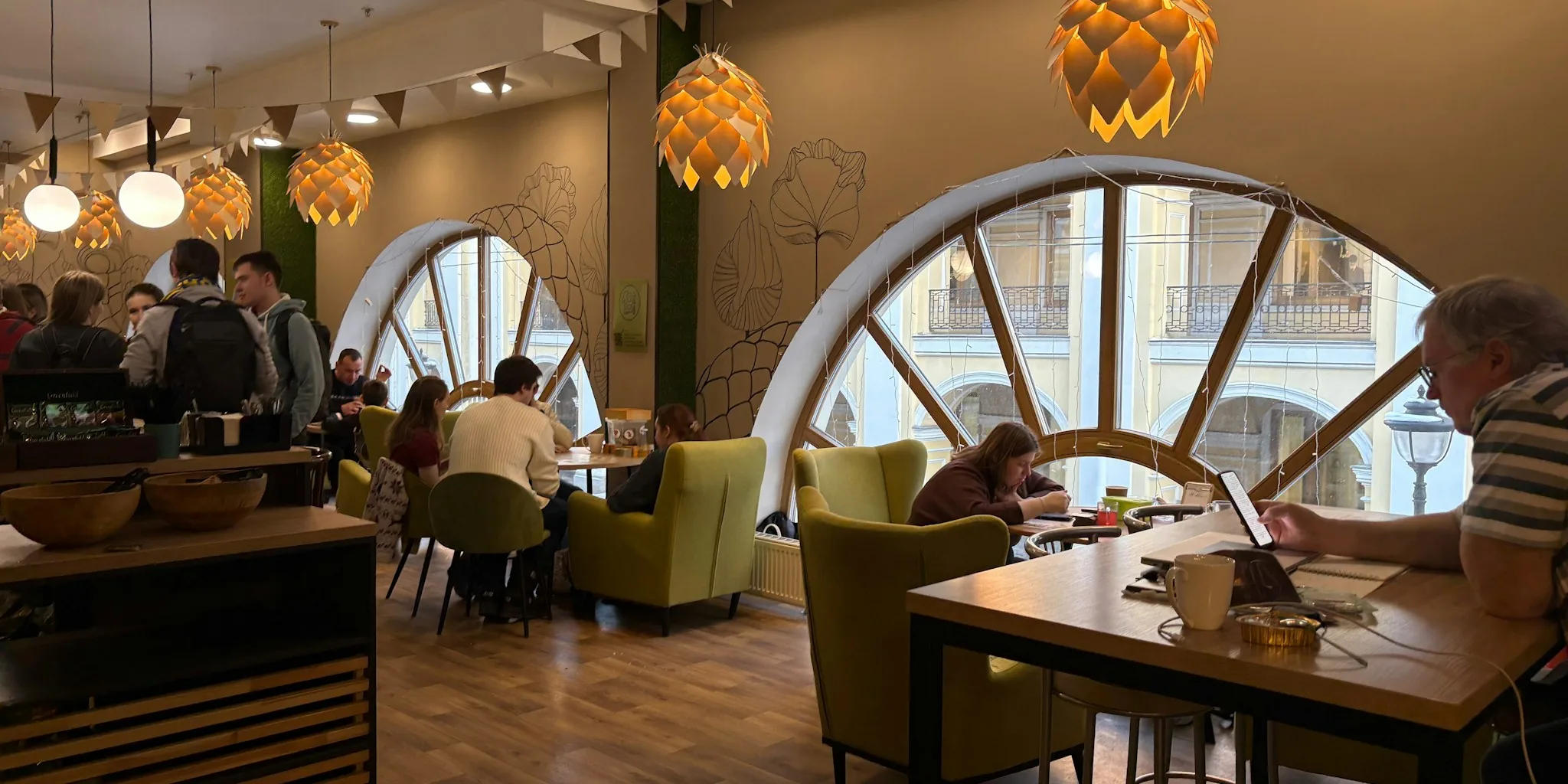

Dearborn, Michigan, officially earned a new title in November 2025 when Mayor Abdullah Hammoud declared it the “Coffee Capital of America.” The designation wasn’t arbitrary. The city has become the epicenter of a remarkable cultural movement centered on traditional Yemeni coffeehouses, establishments that are now reshaping how Americans experience coffee and creating new gathering spaces across the nation.
The Rapid Growth of Yemeni Coffee Culture
Three Dearborn-based coffee businesses, Qahwah House, Qamaria Coffee, and Haraz Coffee House, collectively operate 121 locations spread across 14 states including Ohio, Illinois, Texas, Maryland, Virginia, and Tennessee. This expansion demonstrates that Yemeni coffee culture has moved well beyond its Michigan roots. The phenomenon even caught the attention of New York’s mayor, who famously had his first date at a Qahwah House location in Brooklyn back in 2021, one of the chain’s 27 New York outlets.
What makes this expansion particularly noteworthy is how quickly these establishments have gained traction with mainstream American consumers. Many visitors are experiencing authentic Yemeni coffee for the first time in these cafes, drawn in by their welcoming atmosphere, high-quality beverages, and distinctive aesthetic appeal. For coffee enthusiasts, this represents access to high-quality coffee varieties that were previously difficult to find outside specialty markets.
Understanding the Appeal: More Than Just Coffee
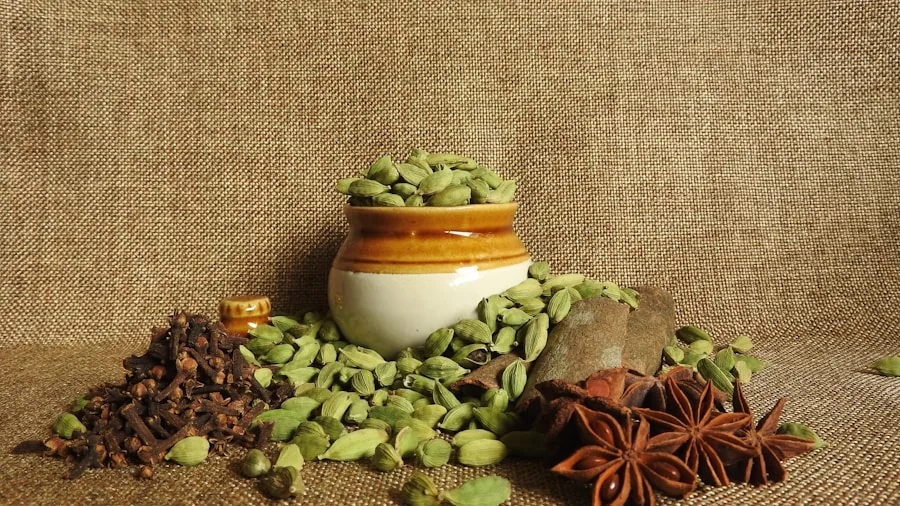
Modern Yemeni coffeehouses serve far more than standard brewed coffee. Their signature beverages feature traditional spice infusions including cardamom, ginger, cloves, nutmeg, cinnamon, and qishr, which consists of roasted coffee husks. These drinks arrive in delicate small glass cups called finjans or artful half-size demitasses, creating an experience that differs markedly from typical American coffee shop visits.
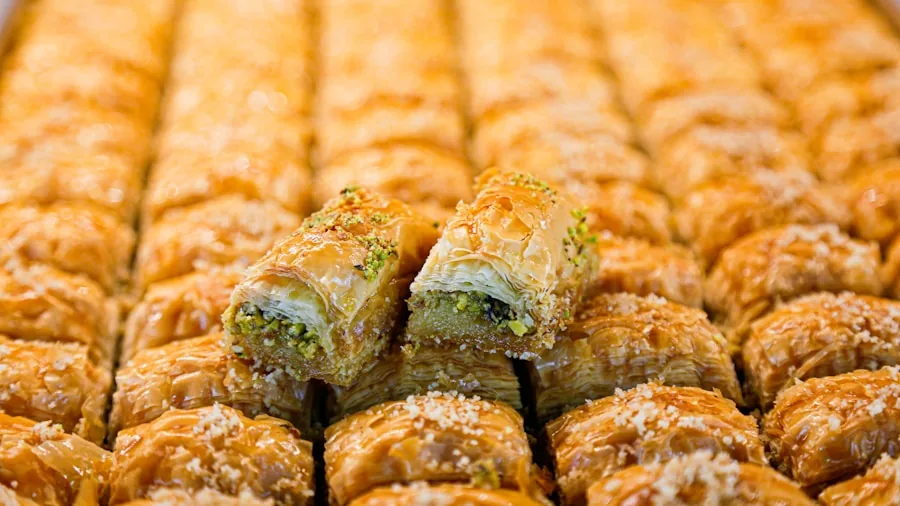
Beyond beverages, these establishments offer traditional Yemeni pastries like sabaya, a buttery flaky pastry drizzled with honey, and khaliat al-nahl, a cheese-filled honeycomb bread. Some familiar options like baklava and tiramisu also appear alongside these unique offerings. Customers consistently praise these venues for their quiet ambiance, attentive service, beverage quality, and thoughtfully designed interiors that celebrate Yemeni heritage.
The physical spaces themselves tell stories. Qahwah House locations feature photographs of Yemeni coffee-growing regions, maps of Yemen, and traditional coffee pots symbolizing hospitality. Haraz Coffee House, which opened its first location in Dearborn in 2021, incorporates honeycomb motifs referencing Yemen’s honey varieties and features Arabic calligraphy emphasizing hospitality values alongside arabesque patterns in bright gold finishes. Many also include traditional diwan-style sectional couches with colorful brocades and decorative pillows, creating inviting communal spaces.
The Entrepreneurs Behind the Movement
The revival of Yemeni coffee in America began with Mokhtar Alkhanshali, a California-based Yemeni American whose family has cultivated coffee for generations. In 2013, Alkhanshali traveled to Yemen to source the fruitiest coffee beans and establish farming cooperatives that could supply consistent high-quality exports. His Port of Mokha company, launched in 2016, made premium Yemeni coffee available at upscale venues like Blue Bottle Coffee in San Francisco. In 2021, one of his single-origin coffees received a 96 out of 100 rating from Coffee Review, an influential industry guide.
Ibrahim Alhasbani, the eighth generation of his family to farm or market coffee, founded Qahwah House in Dearborn in 2017. Alhasbani’s mission extended beyond commerce. “It’s not just a drink,” he explained. “It’s history. It’s culture. It’s who we are.” His cafes emphasize the traditional Yemeni approach of enjoying small cups poured from communal pots shared with family and friends, transforming coffee consumption from individual transaction into communal ritual. This philosophy has made these spaces community-focused gathering places where meaningful connections form.
Historical Context and Contemporary Significance
Yemeni coffeehouses continue a tradition established over a century ago. In early 20th-century Detroit, small coffeehouses served as cultural anchors for immigrant communities from Lebanon and Syria, providing spaces where men could speak Arabic, share news from home, learn about work opportunities, and enjoy familiar foods. These early establishments eventually fostered the Arab community enclaves that define parts of Detroit and Dearborn today.
Contemporary Yemeni coffeehouses maintain this heritage while modernizing the model. Unlike their male-only, smoke-filled predecessors, today’s establishments welcome all guests, prohibit smoking and hookah, and serve no alcohol, making them accessible to Muslim customers. Many now offer back-room prayer spaces, further cementing their role as essential community institutions.
For shoppers seeking quality coffee experiences, these establishments offer something increasingly rare: authentic cultural spaces that prioritize atmosphere and connection alongside excellent beverages. Whether you’re exploring regional coffee varieties or simply seeking a welcoming environment to enjoy quality coffee, the expansion of Yemeni coffeehouses across America represents a significant shift in how specialty coffee reaches mainstream consumers.
As these businesses continue their rapid growth, they’re introducing millions of Americans to Yemen’s coffee heritage while creating genuine gathering spaces that strengthen community bonds, one cup at a time.




Write Your Review
No reviews yet. Be the first to share your experience!