
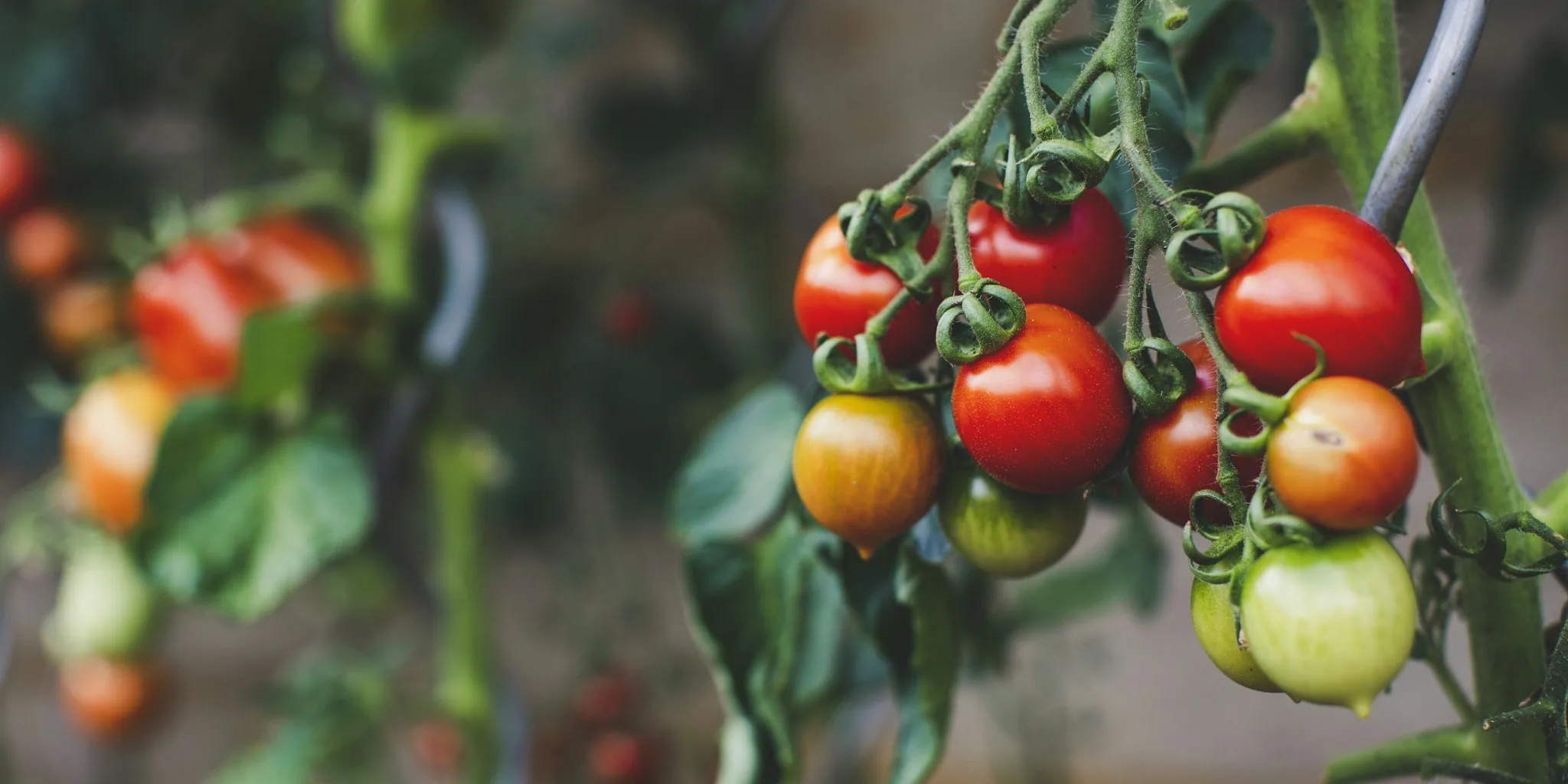

The Yogurt Fertilizer Trend Making Rounds Online
A popular claim keeps circulating through gardening forums and social media: a spoonful of yogurt added to your watering can can solve tomato problems, especially blossom end rot. The logic seems straightforward. Yogurt contains calcium and protein, two nutrients tomatoes need. Since many gardeners blame blossom end rot on calcium deficiency, using yogurt as a homemade fertilizer feels like a smart, budget-friendly solution. But does it actually work?
Why Gardeners Turn to Yogurt
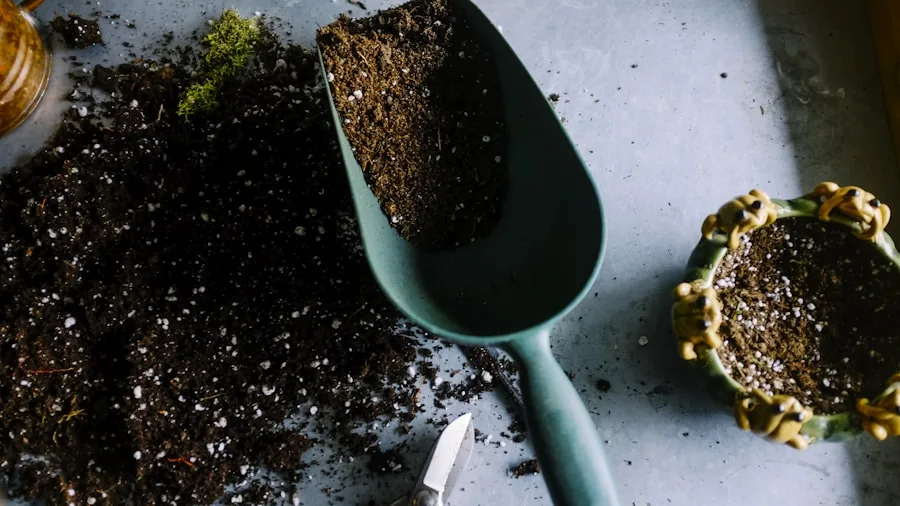
The appeal of yogurt as a tomato fertilizer stems from several factors. Plain yogurt does contain a decent amount of calcium by food standards, making it seem like a logical choice for addressing blossom end rot. Beyond calcium, yogurt also provides protein, which translates to nitrogen for plants. The lactose in yogurt feeds soil microbes, potentially improving soil health. Many gardeners also value the live cultures in yogurt, believing they boost soil biology. For many home growers, it feels like a no-waste solution since an old tub of yogurt headed for the trash might as well go to the garden.
The Math Doesn’t Add Up
When experts examine the numbers, the case for yogurt as a meaningful calcium source falls apart quickly. One tablespoon of yogurt contains roughly 20 milligrams of calcium. A tomato plant in full fruit production moves far more calcium through its system in a single season, and most garden soil already contains plenty of calcium. The real problem isn’t quantity but rather delivery method. The calcium in dairy binds to casein, a protein that soil microbes must break down before plant roots can access any nutrients. This process happens on nature’s timeline, not when your tomato plant needs it most.
Blossom End Rot: Not Really a Calcium Problem
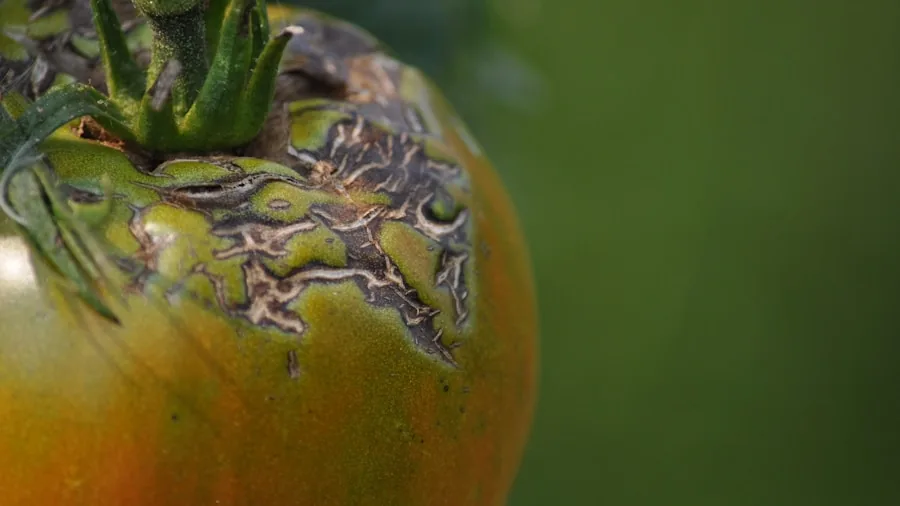
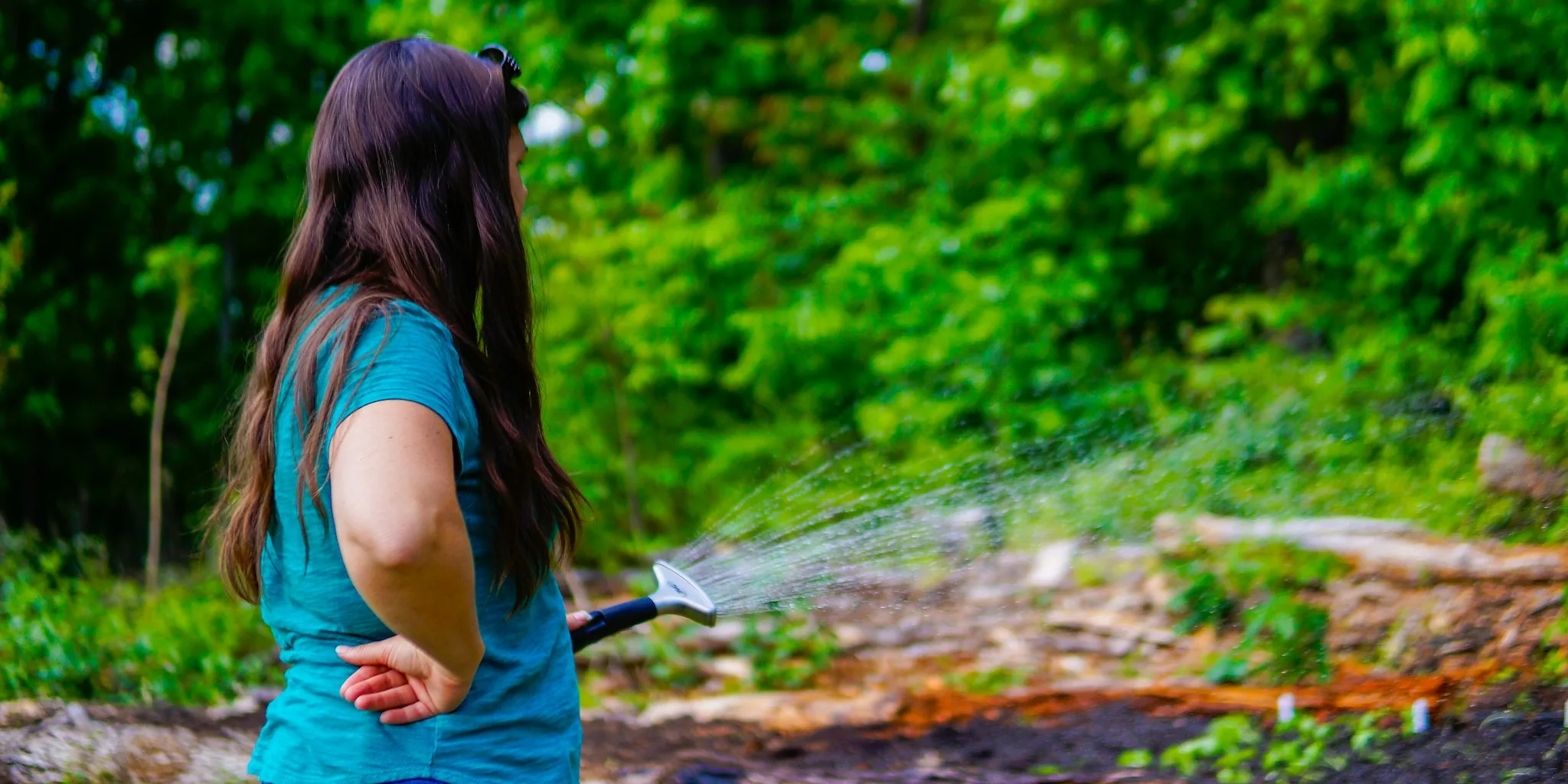
Here’s the surprising truth: blossom end rot rarely stems from a shortage of calcium in the soil. Instead, it’s almost always a delivery failure. Uneven or inconsistent watering interrupts calcium movement into developing fruit, triggering blossom end rot. Yogurt doesn’t fix the actual problem, which is watering technique. Using yogurt might address the nutrient itself, but it ignores the real culprit behind the disease.
If You Still Want to Try It
Some gardeners remain curious about yogurt despite the evidence. If you decide to experiment, choosing the right type of yogurt matters tremendously. Only plain, unflavored yogurt belongs anywhere near your garden. Skip anything with fruit, honey, added sugar, or artificial sweeteners. Those additives bring nothing to soil and can attract unwanted pests like ants, wasps, and rodents to the base of your plants. Flavored yogurts contain stabilizers that have no place in a garden bed. Nonfat yogurt is also preferable since it leaves less greasy residue than full-fat varieties.
How to Apply Yogurt Safely
Dilution is essential if you choose to experiment with yogurt. Mix one tablespoon of plain yogurt into a full 2-gallon watering can, and stir thoroughly to prevent lumps. Pour the mixture slowly around the drip line of your tomatoes, about 6 to 8 inches from the stem. Follow up with plain water to push the yogurt below the soil surface, since dairy left sitting on top of soil can cause serious problems. Keep the mixture entirely off your plant’s foliage, as damp residue on leaves in warm weather invites fungal diseases that are far harder to manage than any nutrient shortage.
If you’re genuinely curious about whether yogurt helps, run a simple experiment. Treat one tomato plant with diluted yogurt and leave an identical untreated plant beside it. Compare both plants at season’s end. This costs just one tub of yogurt and beats relying on anecdotes from online gardening communities.
Mistakes to Avoid
Never apply yogurt fertilizer undiluted directly to soil. A blob of dairy on warm soil will sour and attract flies. It can also form a crust that sheds water instead of letting it through. Container plants suffer worst from this mistake since pots contain limited soil and lack the microbial diversity of garden beds. Stop using yogurt if you notice a sour smell around the plant base, white fuzzy growth on the soil surface, fungus gnats, or signs of pest activity like overturned soil. These are all signals that something has gone wrong.
Better Solutions for Healthy Tomatoes
Rather than relying on kitchen leftovers, invest in a quality organic commercial tomato fertilizer. The best products contain balanced levels of nitrogen, phosphorus, and potassium, with added calcium and magnesium in amounts your tomato plants actually need. When shopping for gardening supplies and tools, include a proper tomato fertilizer in your cart.
For blossom end rot specifically, watering technique matters more than any fertilizer. Deep, even soakings on a consistent schedule, combined with a few inches of mulch to retain moisture, keep calcium moving into fruit far better than any kitchen experiment. Save the yogurt for breakfast and invest in proven solutions instead.



Write Your Review
No reviews yet. Be the first to share your experience!