
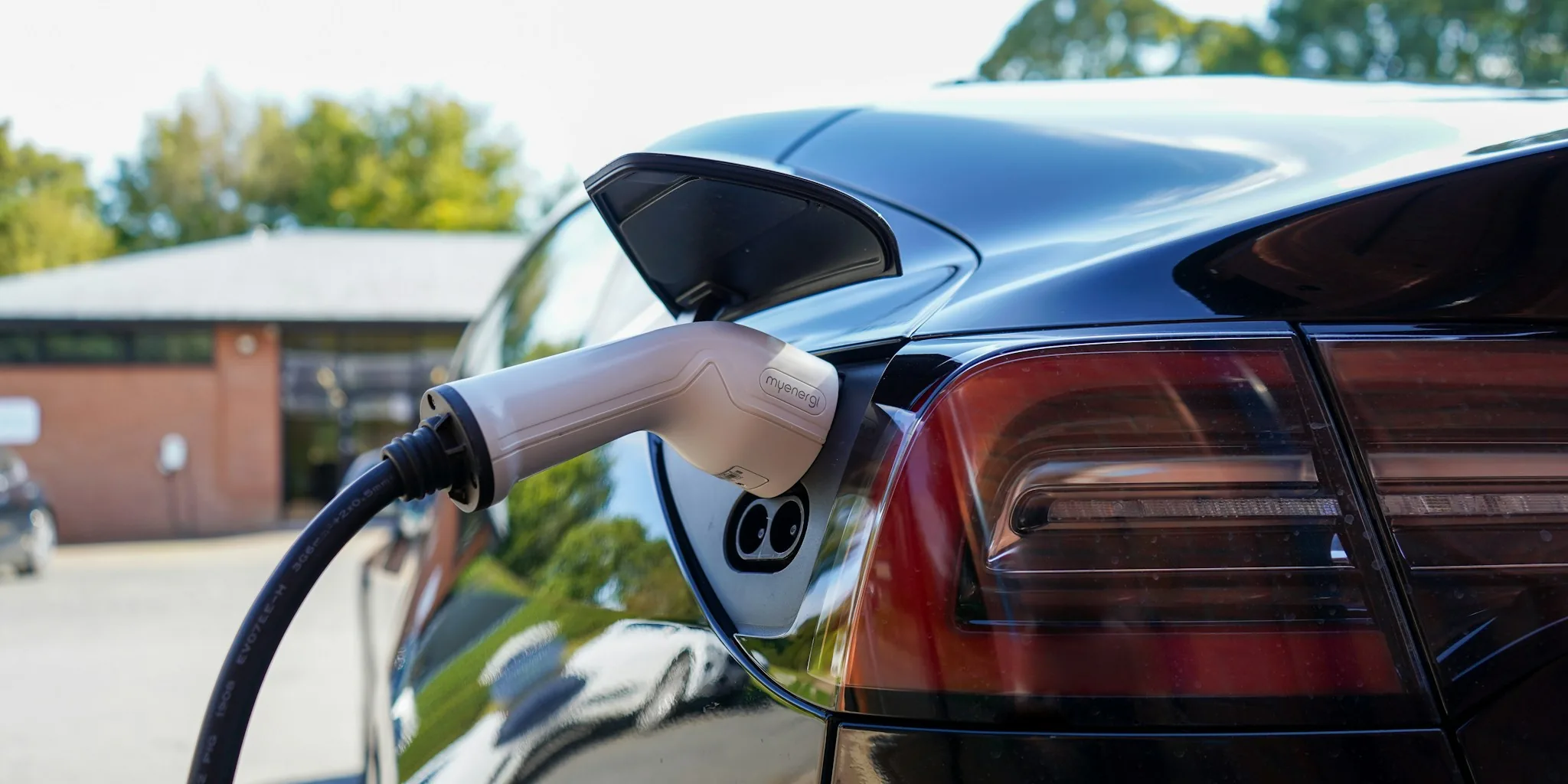

The electric vehicle market has undergone a dramatic transformation heading into 2026. What was once a niche segment now offers buyers an unprecedented selection of models spanning nearly every vehicle category, price point, and driving need. For consumers considering a switch to battery power, the expanded lineup means more options than ever before to find an EV that truly matches their lifestyle and budget.
The Selection Problem Becomes an Advantage
Just a few years ago, EV shoppers faced a frustrating reality: limited choices and long waiting lists. Today, the market has matured significantly. Luxury brands like Audi, BMW, and Cadillac have launched entire electric families, while mainstream manufacturers including Chevrolet, Ford, and Dodge have rolled out multiple models across different vehicle segments. The sheer volume of available EV models means buyers can compare features, range, and pricing within their preferred category without settling for compromises.
This expansion directly addresses one of the biggest barriers to EV adoption: the perception that electric cars lack variety. Whether you need a compact hatchback, a spacious three-row SUV, a performance-focused sports sedan, or even a full-size luxury truck, manufacturers now offer electric alternatives.
Budget-Friendly Entry Points Are Real
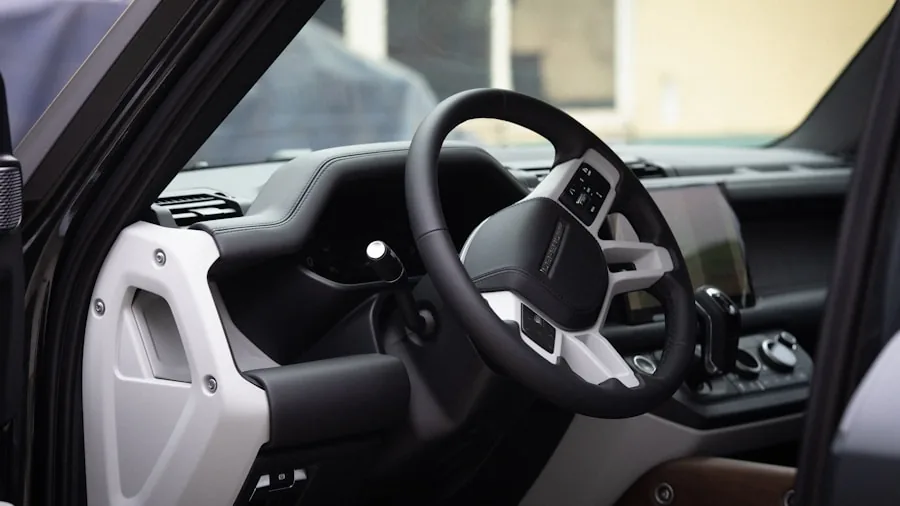
One of the most significant developments for budget-conscious shoppers is the availability of affordable EVs. The Chevrolet Bolt starts at just under $29,000, making it one of the most accessible electric vehicles on the market. The Chevrolet Equinox EV comes in under $35,000, opening doors for shoppers who thought EVs were out of financial reach. Even the Fiat 500e brings style and practicality to the sub-$40,000 segment.
For those willing to invest more, luxury options abound. The Cadillac Lyriq delivers upscale features and impressive range, while the BMW i7 offers flagship comfort with surprising efficiency ratings. The ultra-premium Cadillac Celestiq represents the absolute top of the EV luxury market, designed as a fully bespoke vehicle for those seeking exclusivity and cutting-edge technology.
SUVs Dominate the Selection
SUV shoppers have emerged as the primary beneficiary of EV expansion. Compact options like the Audi Q4 e-tron, Cadillac Optiq, and Chevrolet Equinox EV serve buyers seeking practical vehicles with manageable footprints. Mid-size choices like the Audi Q6 e-tron and Cadillac Lyriq combine space with sophisticated design. Larger families can turn to three-row vehicles such as the Cadillac Vistiq, while those seeking maximum luxury and size gravitate toward the Cadillac Escalade IQ.
SUV shoppers evaluating their options should understand that electric variants often deliver smoother rides and quieter cabins compared to their gas-powered counterparts. The range of body styles has also expanded, with sportier coupe-roofline variants available on several models for buyers prioritizing style.
Specialized Vehicles for Specific Needs
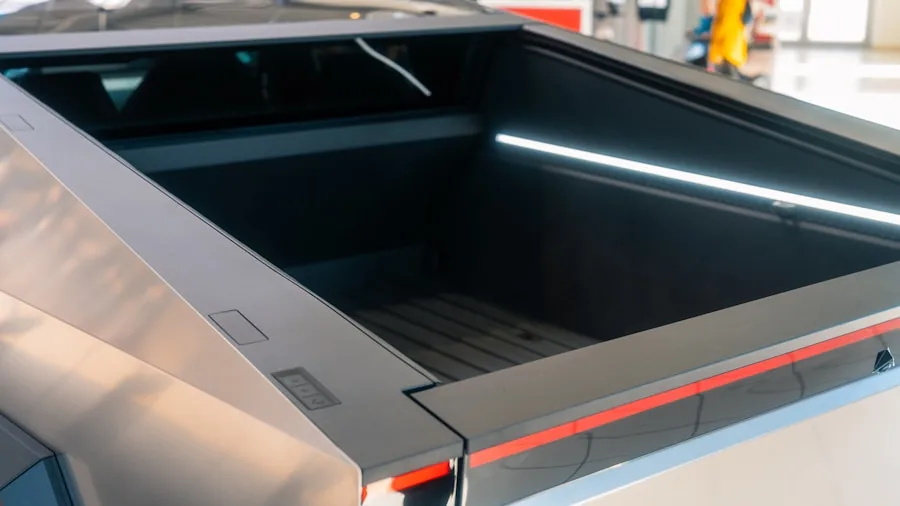
The 2026 lineup includes purpose-built vehicles beyond traditional passenger cars and SUVs. The Ford E-Transit serves commercial and trades professionals, offering multiple roof heights and extended cargo configurations. The Chevrolet Silverado EV provides truck shoppers with electric hauling capability, available in everything from work-focused trims to performance-oriented versions like the LT with 760 horsepower.
Performance enthusiasts now have compelling options. The Dodge Charger Daytona brings muscle car styling and acceleration to the EV segment as both a two-door coupe and four-door sedan. The BMW i5 and Audi e-tron GT deliver sports sedan thrills with zero-emission powertrains. Even quirky options exist, such as the Fiat Topolino, a low-speed vehicle designed as an affordable, compact urban solution.
What This Means for Shoppers
The expanded 2026 EV lineup fundamentally changes how consumers should approach vehicle shopping. Rather than compromising on features, style, or capability to go electric, buyers can now prioritize their actual needs and find a suitable EV match. Range has become competitive with traditional vehicles for most driving scenarios. Charging infrastructure has improved significantly, making ownership more practical than before.
Shoppers should research models within their preferred segment, compare range specifications, understand charging capabilities at home and on the road, and factor in total cost of ownership including available federal tax credits. The abundance of choices also creates an opportunity to test drive multiple vehicles and truly understand which EV best fits individual driving habits and lifestyle requirements.
For anyone considering an electric vehicle in 2026, the question is no longer whether suitable options exist. The market has matured to the point where nearly every shopper will find an EV that meets their needs, budget, and preferences.






Write Your Review
No reviews yet. Be the first to share your experience!