
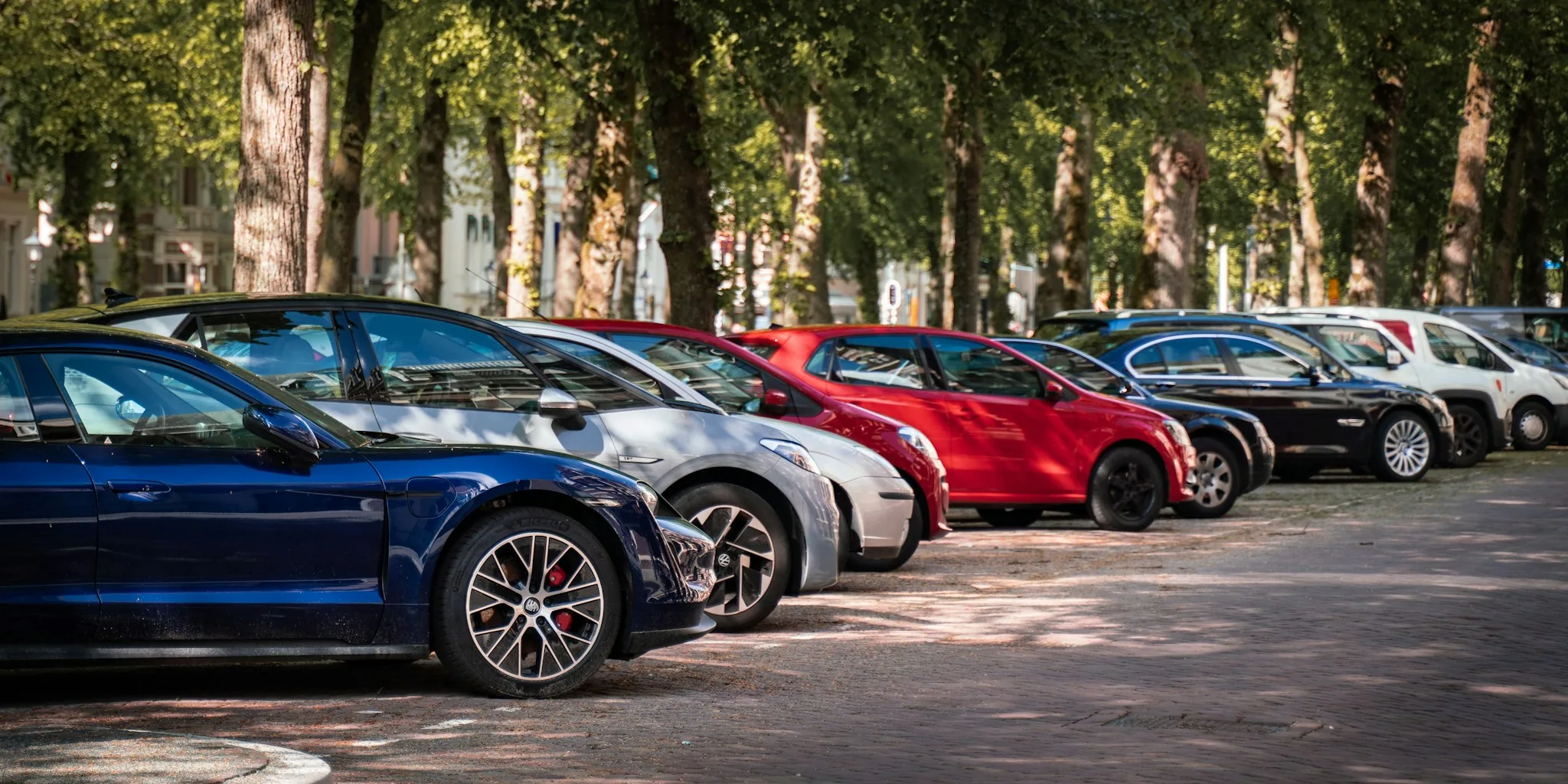

The electric vehicle market in the United States has transformed dramatically over the past fifteen years. What once seemed like a niche segment dominated by a handful of models has evolved into a diverse marketplace offering cars, SUVs, vans, and pickup trucks from dozens of manufacturers. Today, buyers can choose from more than 60 different EV models across every major automotive brand, giving consumers unprecedented selection when shopping for battery-powered transportation.
The Scale of Selection Today
From luxury brands like Mercedes-Benz and Porsche to mainstream manufacturers like Chevrolet and Ford, automakers across the price spectrum have committed significant resources to electrification. Cadillac offers full-size luxury SUVs and sedans, including the imposing Escalade IQ and the high-end Celestiq. Chevrolet focuses on practical SUVs and recently entered the truck market with the Silverado EV. Jeep has introduced electric versions of its most iconic nameplates, including the Wagoneer S and the off-road-capable Recon. Even specialty brands like Fiat and Dodge have embraced electrification with compact city cars and performance-oriented muscle car alternatives.
The variety extends far beyond traditional passenger cars. Commercial buyers can select from multiple electric van options, including Ford’s E-Transit and RAM’s ProMaster EV, making fleet electrification more practical. Performance enthusiasts can explore models like the Dodge Charger Daytona, which carries forward the muscle car legacy in silent, battery-powered form. For those seeking cutting-edge technology and luxury, brands like Lucid Motors build exclusively electric vehicles, with offerings ranging from the Air sedan to the recently launched Gravity SUV.
What This Diversity Means for Shoppers
The explosive growth in model availability directly impacts your purchasing power and options. Twenty years ago, electric vehicle shoppers faced severe constraints: limited range, minimal charging infrastructure, and only a few body styles to choose from. Today, budget-conscious buyers have entry-level options, while affluent consumers can explore premium and performance variants. The compact Hyundai Ioniq 5 and Ioniq 6 have won multiple industry awards for their balance of range, charging speed, and everyday practicality. Luxury buyers can opt for Audi’s comprehensive lineup, spanning from the compact Q4 e-tron to the high-performance 912-horsepower RS e-tron GT. Korean manufacturers Hyundai and Kia have particularly impressed buyers with multiple award-winning vehicles and plans to expand further.
The variety also means you no longer need to compromise on vehicle type. Prefer SUVs? Major manufacturers offer compact, mid-size, and full-size electric alternatives. Want a sedan? Luxury and mainstream brands alike have electrified this segment. SUV shoppers especially benefit from this expansion, with three-row options now available from Cadillac and Kia, suitable for families requiring seating for up to nine passengers.
Performance and Technology Advances
The competitive landscape has driven innovation at unprecedented rates. Modern EVs now feature fast-charging capabilities that add hundreds of miles of range in under 30 minutes. Older concerns about limited driving range have largely evaporated, with most mainstream models offering 250 to 350 miles per charge. Performance variants from brands like Mercedes-AMG and Porsche deliver acceleration and handling that rivals traditional sports cars.
Technology integration has also advanced significantly. Many vehicles now feature sophisticated infotainment systems, over-the-air software updates, and autonomous driving assistance features. The Hyundai Ioniq 5 N, for example, includes unique touches like artificial transmission simulations and engine sound effects, adding engagement to the driving experience despite the silent electric powertrain.
Market Growth and Availability Challenges
While selection has expanded tremendously, availability varies by region and model. Some vehicles experience production delays, such as RAM’s 1500 REV pickup truck, originally promised for early 2025 but now delayed to late 2026. Other models, like the upcoming electric versions of vehicles from Mini and Porsche, face indefinite delays. In some markets, hybrid options continue to compete strongly with full electric vehicles, offering a bridge technology for buyers not yet ready to transition completely.
What This Means for Your Purchase Decision
The abundance of options means you should approach EV shopping methodically. Consider your daily driving patterns, access to charging infrastructure, and budget. Test drive vehicles from multiple manufacturers, as driving characteristics and technology interfaces vary considerably. Compare real-world range estimates with your actual commute needs. Research manufacturer reputations for reliability and customer service. The competitive environment means manufacturers are increasingly focused on customer satisfaction and warranty support to differentiate themselves.
The evolution from scarcity to abundance in the EV market represents genuine progress for American consumers. Whether you prioritize affordability, luxury, performance, or practical family transportation, today’s marketplace offers authentic choices that didn’t exist just five years ago. The days of electric vehicles being a novelty or niche product are firmly behind us.





Write Your Review
No reviews yet. Be the first to share your experience!