
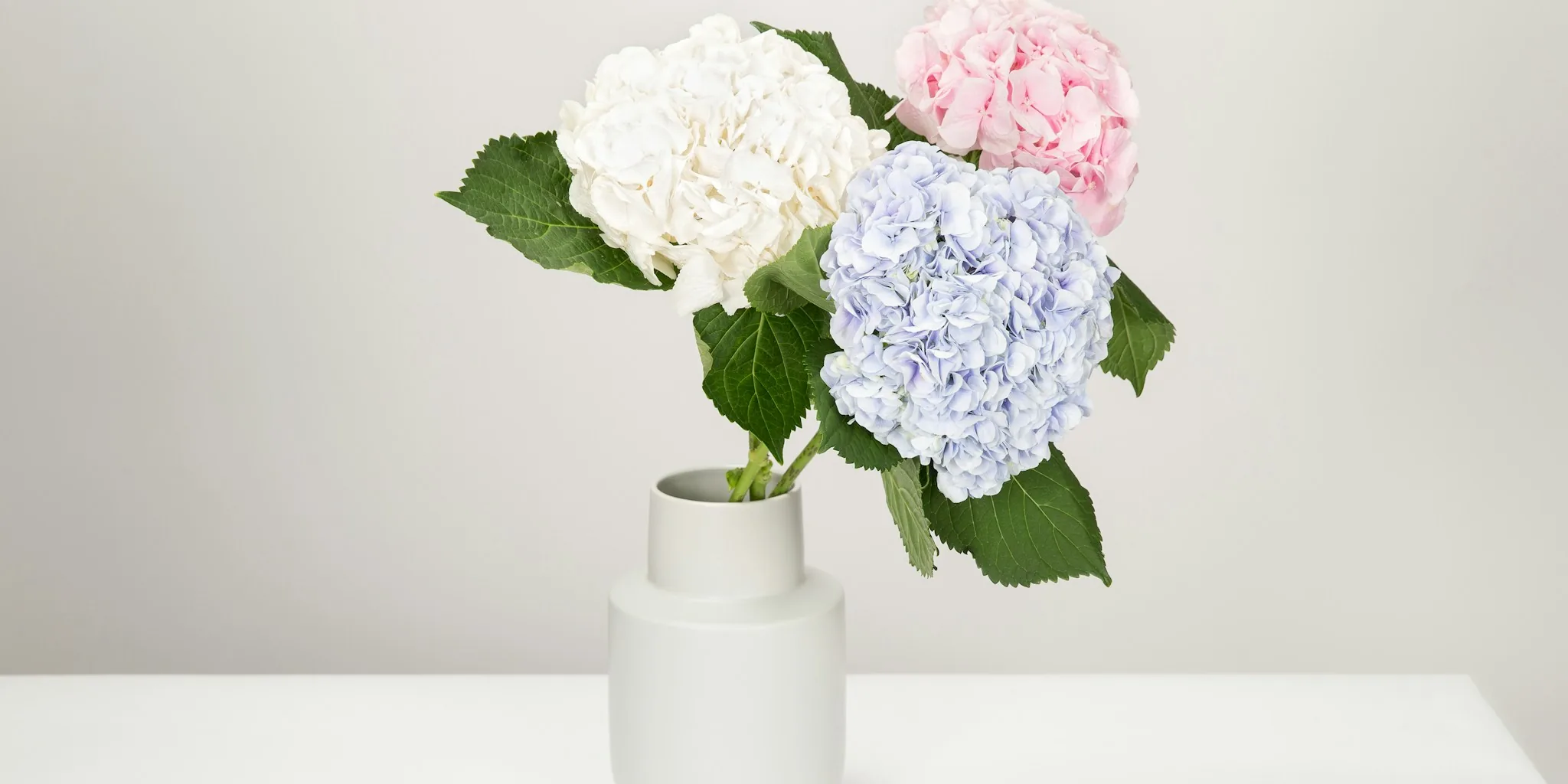

Hydrangeas are beloved for their large, showy blooms that add color and texture to any garden landscape. But did you know you can preserve those beautiful flowers and enjoy them indoors year-round? Learning how to properly dry hydrangea blooms is easier than you might think, and it opens up a world of decorating possibilities. Whether you want to display them in vases, use them in wreaths, or incorporate them into tabletop arrangements, understanding the right techniques will help you create lasting botanical pieces.
Tip 1: Harvest at the Right Time
Timing is everything when it comes to drying hydrangeas successfully. Many gardeners make the mistake of cutting blooms at peak color, when flowers are vibrant and full. However, this is precisely when they contain too much moisture, resulting in wilted, shriveled specimens after drying. Instead, wait until about six weeks after the blooms first open. At this stage, the flowers will feel slightly papery and dry to the touch. Some hydrangea varieties naturally change color as they age, shifting from white to soft pink or other hues. This color transformation signals that the flowers are ready for preservation.
For best results, cut your blooms on a dry day in mid to late morning, after dew has evaporated from the plant. Choose stems that are 12 to 18 inches long, cutting at a 45-degree angle just above a node. Select only the healthiest, most attractive flower heads, since any imperfections will be emphasized once dried.
Tip 2: The Water-Drying Method Delivers Superior Results
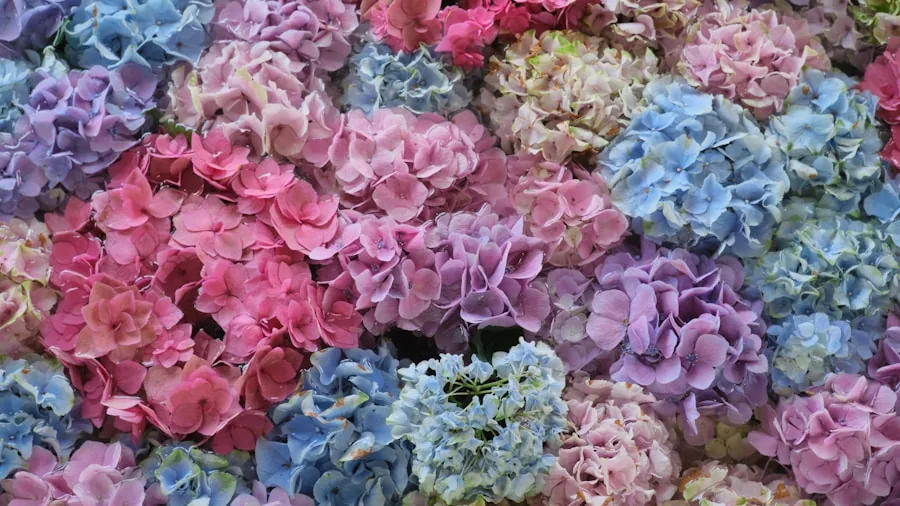
While it seems counterintuitive, drying hydrangeas in water is one of the most effective preservation methods available. Unlike many other flower varieties that deteriorate when placed in water, hydrangeas maintain their shape and color beautifully using this technique. Begin by removing all leaves from the stems, as foliage doesn’t dry well and can trap moisture. Fill your vases with approximately two to three inches of water, then arrange the cut stems so they have plenty of space between them. The flowers should not touch each other.
Position your vases in a location where you can admire the blooms as they dry, but keep them away from direct sunlight to prevent bleaching. The water will gradually evaporate over two or more weeks. If the water level drops significantly before the flowers feel fully dry and papery, add more water and continue the process. This method typically produces more vibrant, longer-lasting results than air-drying alone.
Tip 3: Air-Drying Offers Speed and Simplicity
If you prefer a quicker method, air-drying is the fastest option, though it may result in slightly more fragile blooms with less vibrant coloring. Simply remove the leaves from your cut stems and arrange them loosely in a vase without adding water. Space the flowers so air can circulate freely around each bloom. Alternatively, bundle stems together in small groups and hang them upside down on a drying rack. Keep your arrangement in a cool, dry location away from direct sunlight.
Depending on humidity levels and air circulation in your home, air-dried hydrangeas should feel papery and stiff within one to two weeks. Classic plants like hydrangeas deserve storage that preserves their beauty, so choose your drying method based on your timeframe and space availability.
Tip 4: Use Silica Gel for Maximum Color and Shape Retention
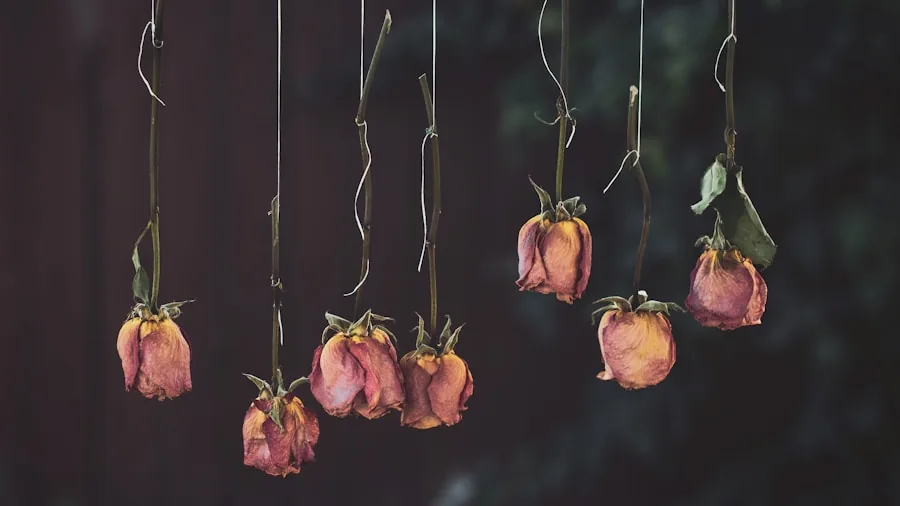
For those seeking the best color preservation and structural integrity, silica gel is your answer. This desiccant draws moisture directly from the petals while supporting the flower head as it dries. The result is a bloom that retains more of its original appearance than other methods. Be aware that large hydrangea blooms consume considerable amounts of silica gel, so purchase it in bulk if you plan regular drying projects.
To use this method, cut stems short and remove all foliage. Pour a layer of silica gel into an airtight container, then place the flower head on top. Carefully pour more gel around and over the petals until completely covered. Seal the container and check your flowers according to product instructions, usually after several days. Once dry, gently remove the blooms and use a soft brush to clear away any remaining crystals. Handle these delicate flowers with care, as they can be fragile.
Tip 5: Protect and Extend the Life of Dried Blooms
Once your hydrangeas are properly dried, you can extend their display life considerably with protective treatments. A light mist of hairspray can help stabilize the petals and prevent them from dropping. Even better, apply a UV-protective floral preservant spray to guard against color fading and environmental damage. Beautiful dried arrangements work wonderfully alongside fresh garden displays in your home design.
When using your dried hydrangeas in arrangements, wreaths, garlands, or table decorations, handle them gently to prevent damage. You can display them in vases with or without complementary flowers, arrange them in bowls, tie them to gifts, or incorporate them into mantelpiece displays. With proper care and protective treatments, your preserved hydrangeas will remain beautiful for many months, allowing you to enjoy your garden’s beauty long after the growing season ends.




Write Your Review
No reviews yet. Be the first to share your experience!