
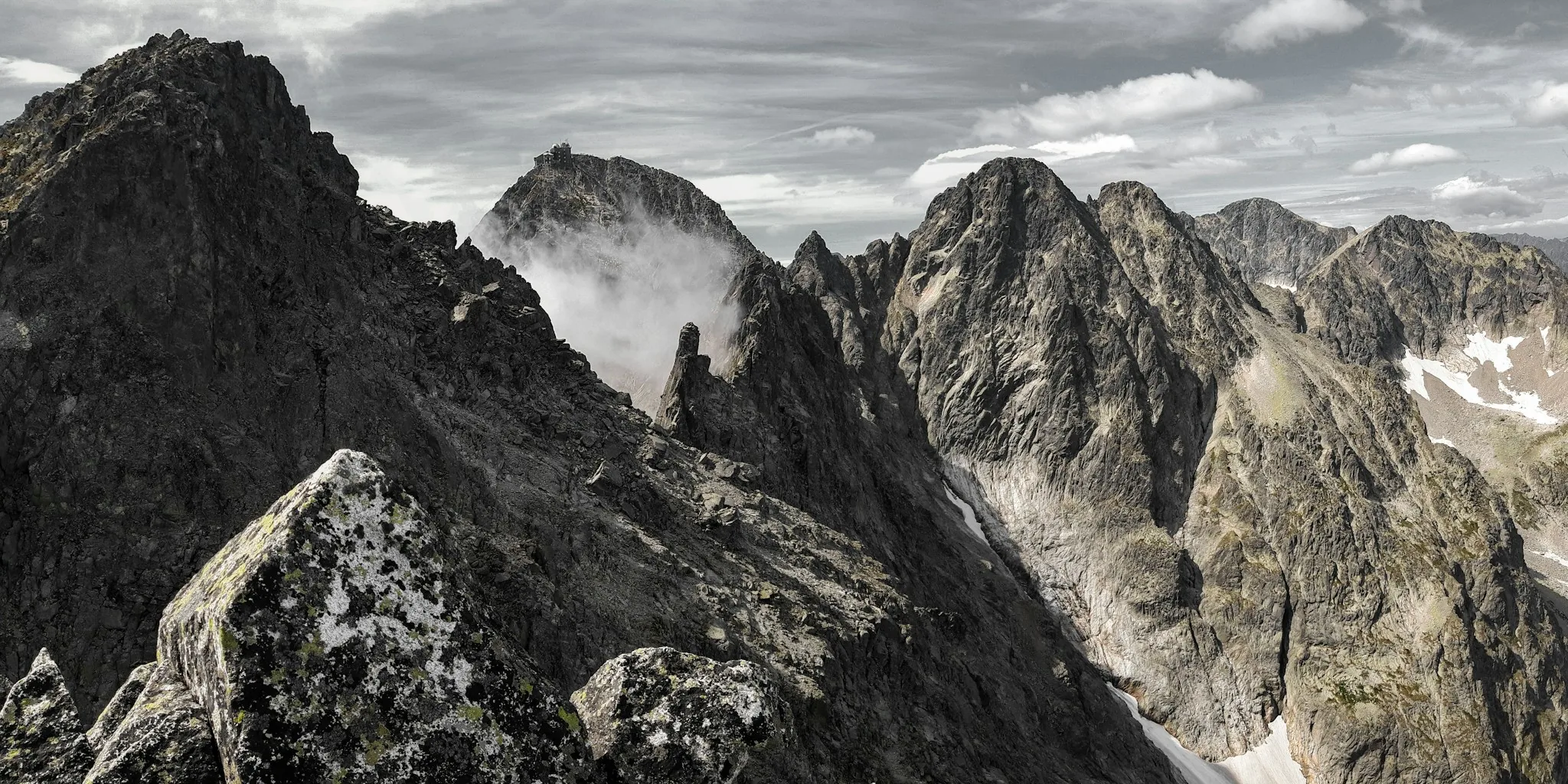

If you’ve ever hit the trail unprepared for serious elevation gain, you know the frustration of running out of steam partway through. Training your body specifically for uphill climbs is the key to conquering steep terrain and actually enjoying your backcountry adventure. A mountain fitness expert and coach recommends five focused workout strategies that build the endurance and raw power needed to tackle mountains like the Colorado Rockies or the Alps.
Start with Long, Consistent Endurance Hikes
Before you tackle speed work, your body needs to handle sustained uphill effort. Find the longest hill accessible to you or set a treadmill to maximum incline, then climb at a steady, sustainable pace for 60 to 120 minutes. The conversation test is your guide: you should be able to speak three full sentences without gasping for breath. This means you’re working hard but not overdoing it.
Carrying weight amplifies the benefit. Start with a pack weighing 10 percent of your body weight for a 60-minute session, then add 15 minutes per week. You can also gradually increase the load by about five pounds weekly until you reach 20 percent of your body weight. Never go heavier than that, as injury risk climbs faster than strength gains at that point.
Build Cumulative Fatigue with Back-to-Back Days

A single long hike is valuable, but real backcountry trips involve consecutive days of climbing on tired legs. Schedule two endurance workouts on consecutive days each week. Your legs will feel stiff and heavy on day two, but that discomfort is the point. Training while fatigued teaches your body and mind to push through discomfort, preparing you mentally as much as physically for multi-day expeditions.
Add Speed with Hill Repeats
Once you can reliably hike uphill for 90 to 120 minutes while carrying 15 to 20 percent of your body weight, it’s time to build speed and power. Find a steep section and sprint uphill at near-maximum effort for 10 seconds, then walk slowly back down to recover. Complete four total reps. Over the following weeks, gradually extend your sprint intervals to 30 seconds, then one minute, then two minutes, and finally three minutes. If you lack access to a suitable hill, a treadmill at maximum incline works equally well. Quality workout shoes designed for uphill training will protect your feet during these intense efforts.
Train Downhill Movement Deliberately
Downhill hiking destroys quads that aren’t specifically conditioned for eccentric loading, the type of muscle work involved in controlled descent. Reverse your hill repeat workout: walk slowly uphill, then race back down as fast as safely possible. Do four reps, resting at the bottom. You can also combine both efforts, sprinting both up and down with recovery at the base.
Wall sits directly target downhill strength. Start with one-minute holds a couple of times weekly. After a few weeks, push to failure, then add weight. Once you can hold 10 pounds on your lap for a minute or two, progress to single-leg wall sits. If you can hold a single-leg wall sit for 30 seconds, your downhill resilience is exceptional.
Strengthen Legs in the Gym

Hit the gym at least twice weekly during your main training phase. Focus on exercises that target glutes, quads, hamstrings, and core. Step-ups are particularly effective: perform 15 to 30 repetitions on one leg, switch, and complete three sets initially. Each week, either add another set or increase weight by five pounds to maintain progression. Comfortable athletic shorts that allow full range of motion will help you execute these movements safely.
Critical Training Principles
Start your training three to six months before your objective trip. Building muscle takes time, and consistency matters far more than occasional intense efforts. Use perceived effort rather than heart rate zones: endurance work should feel like a four to six on a 10-point effort scale, while hill repeats should push you to eight or nine. Never train harder than three consecutive days. Rest is when your muscles actually grow stronger, so schedule at least one full rest day weekly. Three to four weeks before your trip, reduce training volume to let your legs fully recover so you arrive fresh and ready. Learn proven strategies for transforming your workout results that apply to endurance training too.
The payoff is substantial: proper hill training transforms your mountain experience from a survival effort into genuine enjoyment of the scenery and challenge.






Write Your Review
No reviews yet. Be the first to share your experience!