
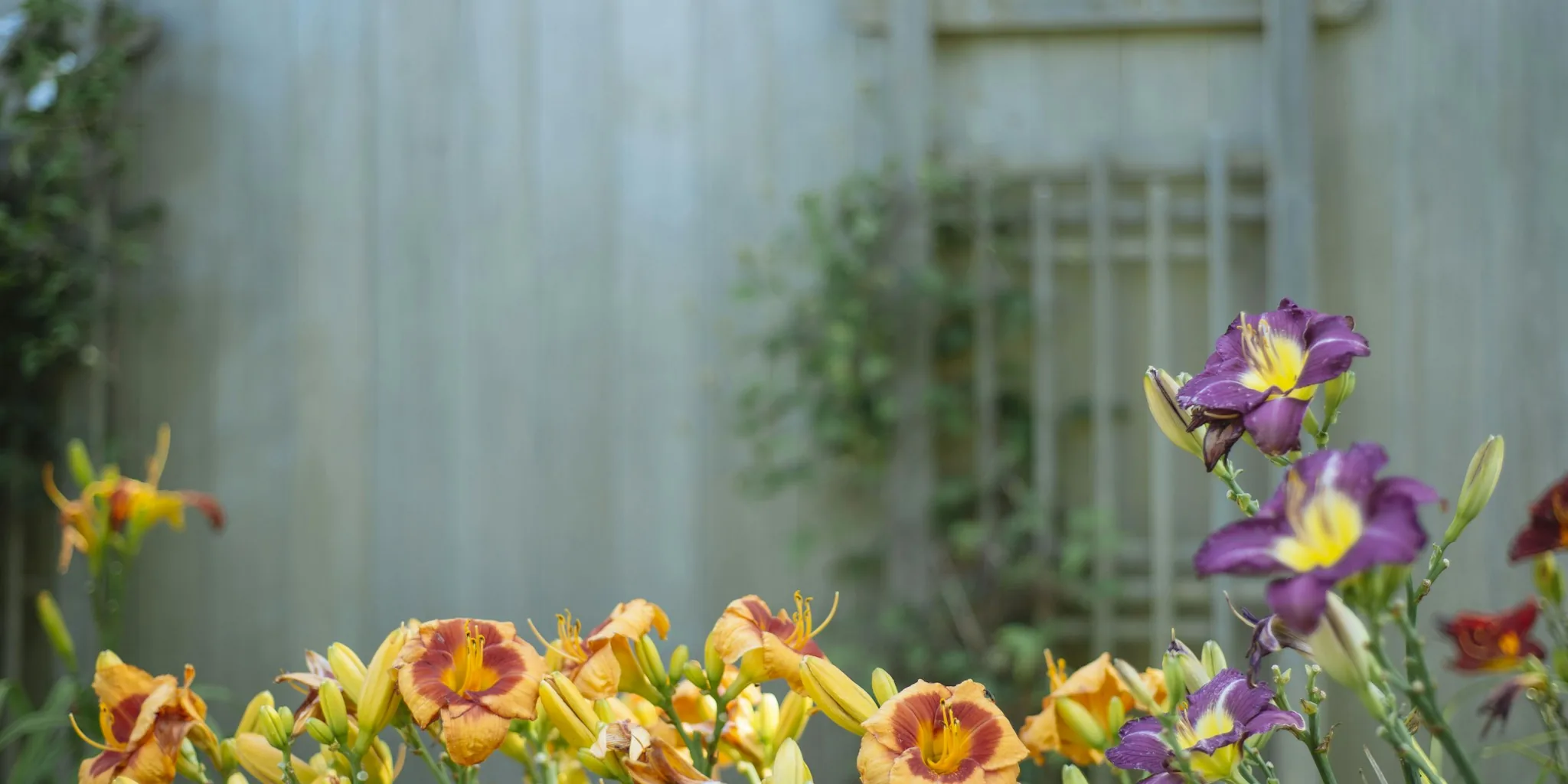

Encourage More Flowers From Your Daylilies This Season
Daylilies earned their name because each individual flower lasts only a single day. While this might sound limiting, the reality is far more rewarding. A mature daylily plant produces dozens of flowers in succession throughout the summer, with an established clump potentially generating 200 to 400 blooms over the course of several weeks. However, many gardeners find their daylilies stop flowering mid-summer, leaving them wondering if there is a way to spark another round of color before the growing season ends.
The good news is that encouraging a second bloom cycle is entirely possible with the right techniques. By understanding which varieties rebloom naturally and learning the maintenance practices that trigger new flowers, you can keep your daylily beds vibrant and productive through late summer and into early fall.
Tip 1: Choose Reblooming Cultivars From the Start
Not all daylilies are created equal when it comes to repeat flowering. Certain cultivars are specifically bred to produce multiple flushes of blooms throughout the growing season. These remontant varieties include ‘Stella d’Oro’, ‘Happy Returns’, ‘Pardon Me’, ‘Dragon’s Eye’, ‘Fairy Tale Pink’, ‘Raspberry Frolic’, ‘Strawberry Candy’, and ‘Super Stella’. If your goal is continuous color from summer through fall, selecting these varieties makes achieving that goal far easier.
That said, classic orange daylilies and many heirloom types do not rebloom naturally. These single-season bloomers still deserve a place in the garden, but expecting a second flush from them is unrealistic. Check the cultivar name and description before purchasing to know what to expect.
Tip 2: Deadhead Spent Flowers Promptly
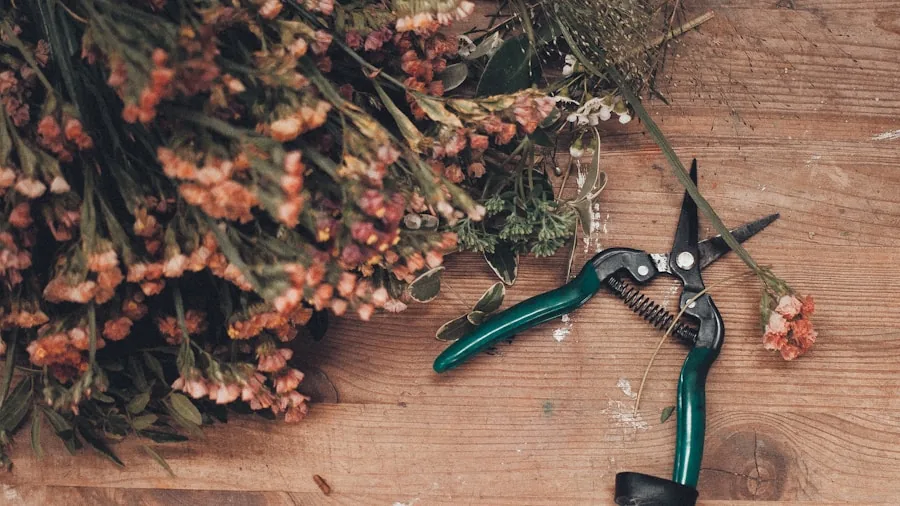
The most effective way to trigger a second round of blooms is deadheading. When you remove faded flowers before they form seed pods, you redirect the plant’s energy away from seed production and toward creating new growth and additional blooms. Using sharp, clean pruning tools keeps your cuts precise and reduces disease risk.
As each flower closes and begins to wilt, cut it off just below the bloom base. The key is removing the spent flower before a seed pod develops. Since daylilies produce multiple flowers per stalk in succession, be careful not to accidentally remove unopened buds still waiting to bloom. Once all the flowers on a particular stalk have opened and faded, remove the entire stalk at ground level.
Tip 3: Keep Your Plants Looking Fresh and Tidy
Beyond encouraging rebloom, deadheading keeps your garden beds looking attractive all season long. Spent flowers wither and eventually drop, and the stalk itself turns brown and unattractive. Removing these tired stems immediately maintains a neater appearance and prevents your daylily bed from looking unkempt by mid-summer.
This maintenance practice also improves air circulation around the base of the plant, which helps reduce fungal issues and pest problems that can weaken plants and reduce flowering. Regular deadheading is a win for both beauty and plant health.
Tip 4: Divide Plants in Late Summer for New Growth
Another strategy to encourage flowering is dividing your daylilies in late August or September. When you dig up, divide, and replant these perennials, the disturbance stimulates new growth and can trigger blooming in the transplanted divisions. This method works best in regions with longer growing seasons, since the transplanted divisions need time to establish in their new location before they can set flower buds.
If you live in a northern climate with a short growing season, attempting this technique late in the year may not yield results before frost arrives. However, in warmer zones with extended fall weather, division-driven rebloom can be quite successful.
Tip 5: Understand Your Climate and Choose Varieties Accordingly
Geography plays a significant role in reblooming success. Southern gardeners with long, warm growing seasons have a much easier time getting daylilies to produce second or even third flushes of flowers. Cold-climate gardeners in the North face a shorter window and should focus on early reblooming varieties that can produce new flowers before fall frost arrives.
If you live in the North, avoid expecting classic non-reblooming types to flower again later in the season. Instead, pair cold-hardy reblooming cultivars with proper deadheading to maximize your chances of success. Keeping plants vigorous through proper watering and nutrition also supports more reliable blooming regardless of your location.
The Bottom Line
Getting a second flush of daylily flowers before fall is achievable for most gardeners willing to invest a little maintenance time. Whether you select reblooming cultivars, practice consistent deadheading, or divide plants at the right time, these strategies work individually or together to extend your daylily display well into late summer. With these tips in hand, you can enjoy continuous color from these reliable perennials season after season.



Write Your Review
No reviews yet. Be the first to share your experience!