
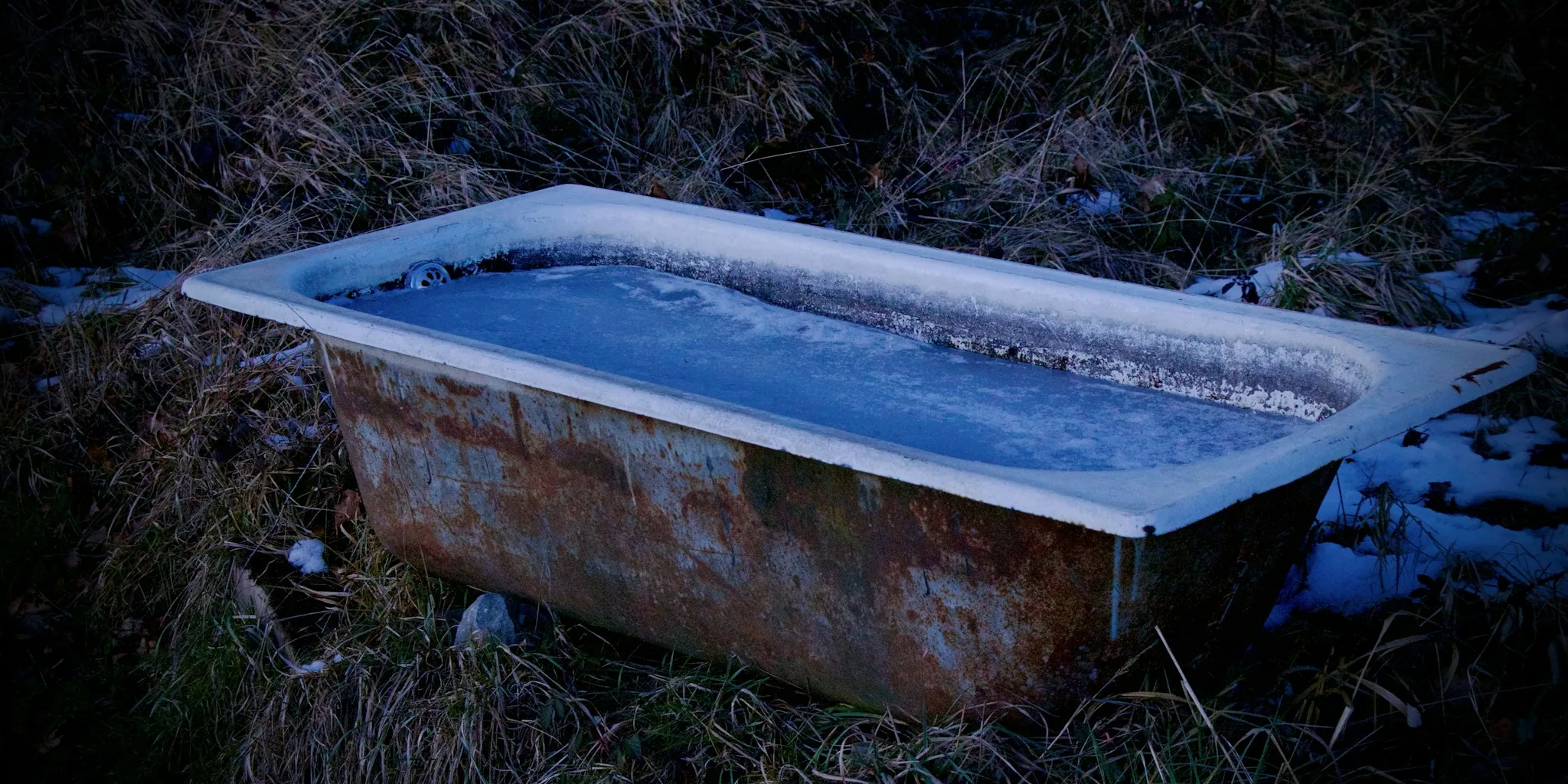

As temperatures drop and frost becomes a regular sight, keeping water available for backyard birds becomes a critical survival tool. Winter brings unique challenges for wildlife: natural water sources freeze solid, insects disappear, and birds must work harder than ever to stay hydrated and healthy. A reliable, unfrozen bird bath can mean the difference between a thriving backyard ecosystem and struggling birds forced to search elsewhere for water. Here are five practical strategies to maintain an ice-free water source throughout the coldest months.
1. Reposition Your Bird Bath to Catch Maximum Sunlight
Location matters tremendously when fighting winter ice formation. Unlike summer, when you want partial shade to prevent algae growth, winter demands a sunny spot. Position your bird bath where it receives direct sunlight for most of the day, accounting for the sun’s lower winter trajectory across the sky. The ideal placement sits roughly six feet from a south-facing wall, which provides double benefits: the wall acts as a solar reflector and windbreak, while the sun’s warmth keeps the water from freezing as quickly. This microclimate effect slows both the freezing process and speeds up thawing when temperatures climb above freezing.
2. Add a Dark Stone to Absorb and Release Heat
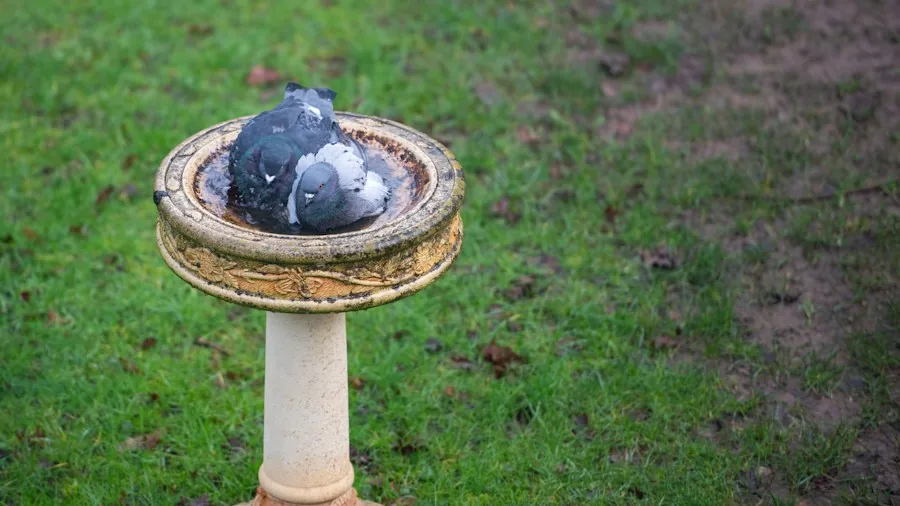
This simple but effective technique harnesses solar power naturally. A dark, dense stone absorbs the sun’s warmth during daylight hours, then gradually releases that heat as air temperatures drop at dusk and evening. For maximum effectiveness, select a stone at least four inches across that sits partially above the water line. The exposed surface heats faster and holds more warmth than a fully submerged rock. Match the stone size to your bird bath, ensuring it displaces no more than one-third of the water volume. Darker, flatter stones work best because they capture and retain significantly more heat energy than lighter or rounded options.
3. Float an Object on the Water Surface
Any floating object constantly disrupts ice crystal formation, slowing the freezing process considerably. A rubber duck is often the perfect choice for most gardens, offering just enough weight and buoyancy to stay positioned while still moving with air currents. For sheltered garden spots with minimal wind, a lightweight ping pong ball works well. In windier locations, upgrade to a tennis ball for better stability. The object needs to be light enough to shift with gentle breezes but heavy enough to avoid blowing away in stronger gusts. This simple addition can extend the time before your bird bath freezes by hours or even longer, depending on ambient temperature.
4. Install a Thermostat-Controlled De-Icer
For reliable, hands-off prevention of ice formation, consider a bird bath heater with built-in thermostat control. This technology only activates when temperatures drop below freezing and automatically shuts off during warmer periods, minimizing energy waste. Look for models rated between 60 and 120 watts, which provide adequate frost prevention without excessive power consumption. Check the power cord length before purchasing, as birds typically avoid baths positioned too close to walls. Choose between ground-stake models for traditional setups or deck-mount versions if your bath sits on a patio or elevated surface. Some designs mimic natural stones or other garden elements if aesthetics matter in your outdoor space.
5. Maintain Cleanliness and Fresh Water
An ice-free bath means nothing if the water becomes contaminated. Refill your bird bath regularly, especially during busy periods when many birds visit. Clear fallen leaves immediately, as decaying plant matter introduces bacteria and tannins that make water unattractive to birds. Scrub the basin thoroughly at least once weekly using a dilute vinegar solution (10% vinegar with water) or a bird-safe cleaner, then rinse completely before refilling. This maintenance routine prevents disease transmission, which becomes particularly important in winter when stressed birds gather at fewer available water sources. A reliable garden hose makes refilling and cleaning convenient during cold weather.
Water becomes as essential as food during winter months. Birds need daily hydration to digest seeds and nuts, maintain their insulating feather layers, and preserve body heat for survival. Small birds cannot generate enough body heat to melt snow for drinking, making your ice-free bird bath an actual lifeline. By combining positioning strategies, passive solar techniques, and active heating when necessary, you’ll provide consistent winter hydration that keeps feathered friends healthy through the coldest season.


Write Your Review
No reviews yet. Be the first to share your experience!