
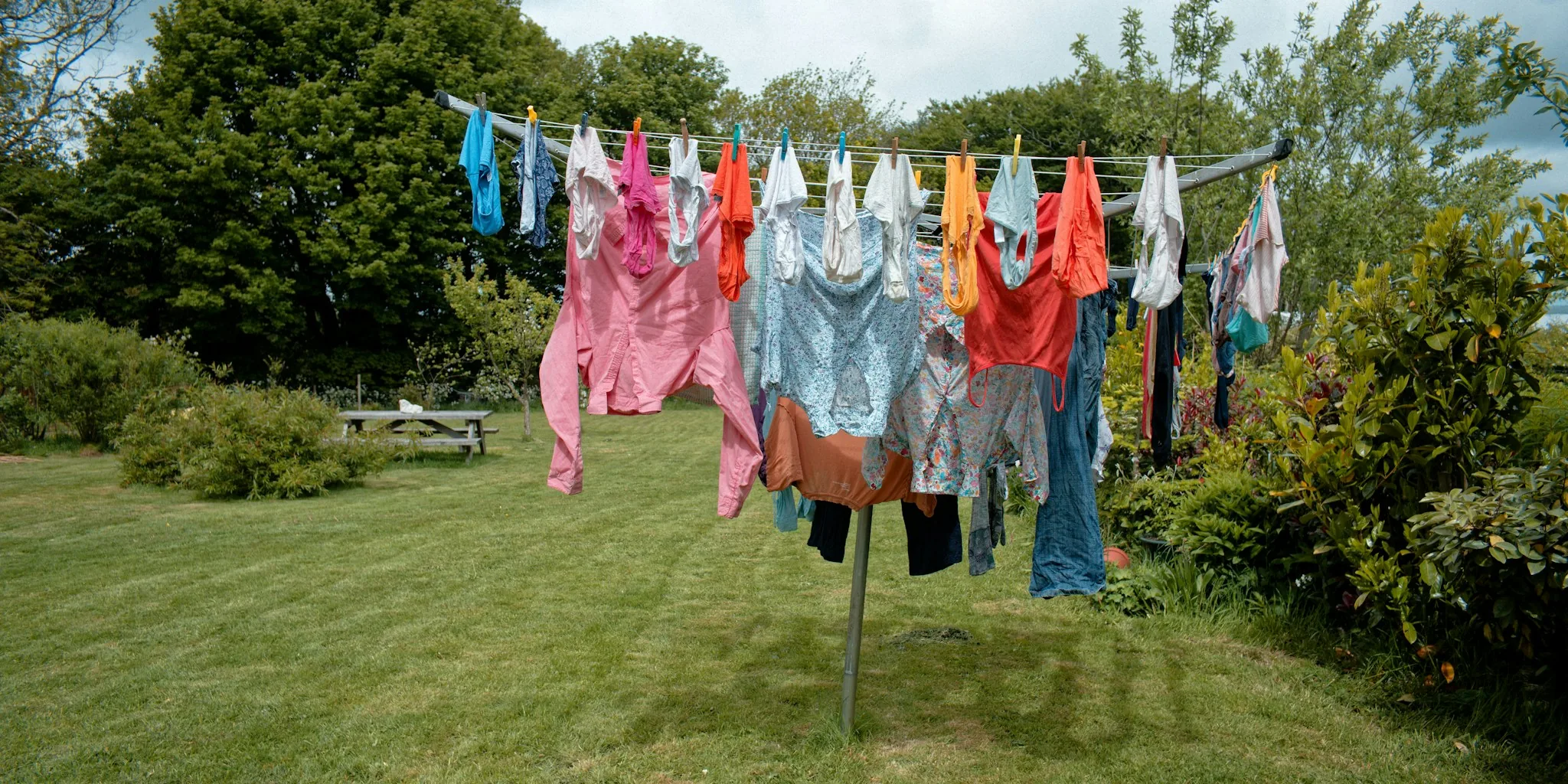

Don’t Throw Away Worn Towels Yet
That pile of threadbare towels sitting in your linen closet could become valuable garden tools rather than landfill waste. Whether you have soft, fluffy towels that have lost their plushness or rough cotton rags that are no longer suitable for the bathroom, these items have surprising practical applications in your garden. Learning how to repurpose old textiles can help you save money on specialty gardening supplies while reducing household waste.
Emergency Frost Protection for Vulnerable Plants
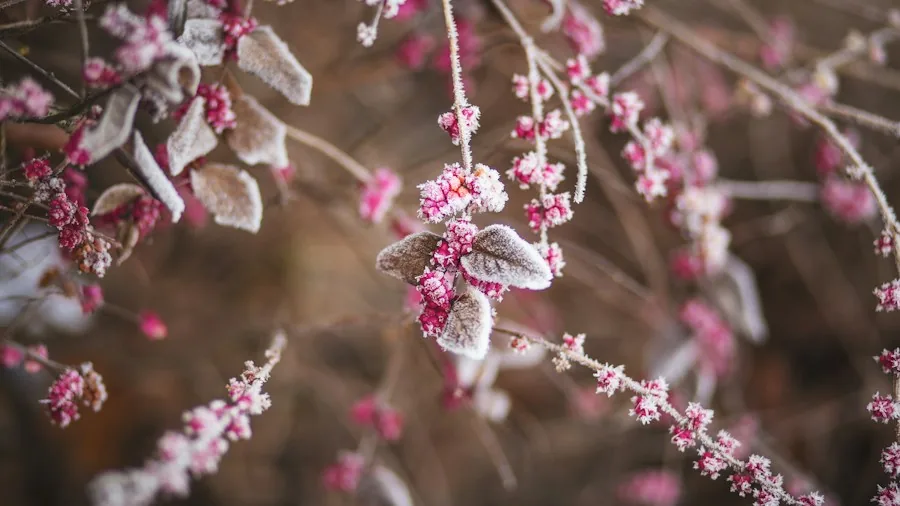
One of the most useful applications is using an old towel as temporary frost protection. When an unexpected cold snap threatens your tender plants, draping a towel over vulnerable foliage can trap some of the warmth radiating from the soil underneath. The key is to ensure the towel doesn’t rest directly on delicate leaves. Instead, support it loosely so air can still circulate and light can reach the plant. Remove the covering once temperatures rise above freezing. This approach works best as a short-term emergency measure rather than a complete winter protection solution, but it can save your favorite plants when commercial frost covers aren’t readily available.
Create a Simple Water-Wicking System
For container plants that dry out quickly, old towels offer an effective low-cost watering solution. Cut a strip of absorbent cotton towel and use it as a water wick. Soak the strip thoroughly, place one end into a reservoir of water and the other into your potting soil. Capillary action draws water from the container into the compost as it dries. This technique is particularly valuable if you’re planning to travel for several days and need consistent moisture for your plants. Test the setup before you leave to ensure it performs reliably, since different towel materials absorb and distribute water at different rates.
Practical Potting and Repotting Mat
Lay an old towel beneath your pots when repotting plants or filling containers. The fabric catches loose compost, scattered soil particles, and spilled water that would otherwise create a mess around your work area. Once you finish gardening, simply shake the towel outside and wash it if needed. This simple hack proves especially helpful when you attempt indoor repotting projects that somehow result in potting soil appearing in unexpected corners of your home.
Suppress Weeds with Natural Materials
A 100 percent cotton towel can serve as a temporary light-blocking layer for weed control. Lay it over an area you’re preparing to clear and weigh it down so it stays in place. Without sunlight, weeds struggle to grow and become easier to remove later. Use this as a short-term tactic rather than a permanent solution, and avoid synthetic fiber towels that won’t break down naturally. You may also want to check out wildlife-friendly gardening approaches that work alongside your weed management strategy.
Comfortable Kneeling Pad for Garden Work
Why purchase a specialized kneeling pad when an old towel provides similar cushioning? Fold a towel several times to create comfortable padding for weeding, planting bulbs, or any task that requires you to kneel on the ground for extended periods. The fabric is machine washable after use, and if conditions are particularly muddy, place something waterproof underneath the towel for additional protection. This approach transforms household textile waste into practical garden equipment.
Tool Maintenance and Storage
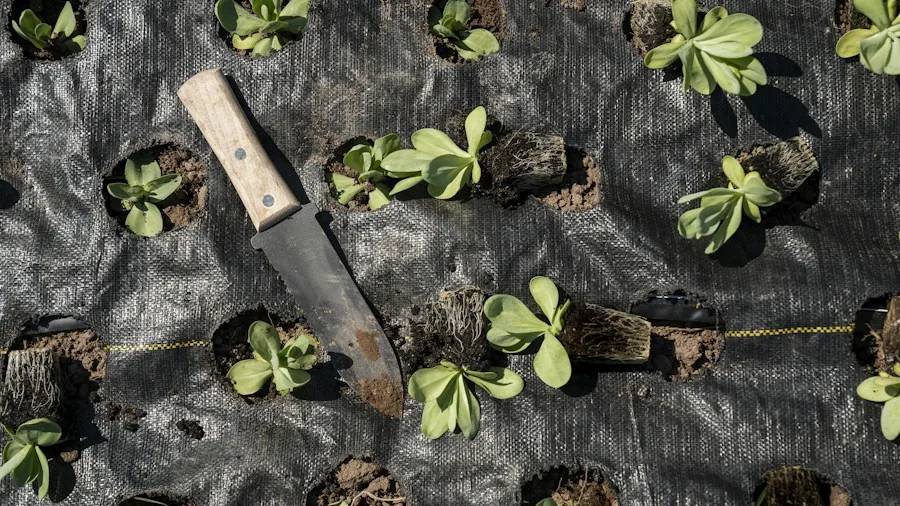
Keep a dedicated towel in your garden shed specifically for cleaning tools. Wipe mud and moisture from shovels, trowels, and pruners before storing them away. This regular maintenance habit prevents soil from hardening on tool surfaces and removes excess moisture that can promote rust and corrosion. Having a designated garden towel means it won’t accidentally be grabbed for household use after a shower. For more detailed tool care, explore quality pruners and maintenance practices that extend the lifespan of your equipment.
Return Worn Towels to Your Compost Pile
When an old towel finally wears out completely, its lifecycle doesn’t have to end in a landfill. Check the label to confirm the material composition. Natural fiber towels made from cotton, wool, or linen can be cut into smaller pieces and added to your compost pile, where they’ll break down over time. Remove any synthetic elements like polyester trim, decorative stitching, or labels before composting. Cutting the towel into smaller sections speeds decomposition.
By implementing these practical techniques, you’ll transform worn household textiles into functional garden aids while reducing waste and saving money on specialized products. Invest in quality gardening gear where it truly matters, and repurpose everyday items like old towels for the rest of your garden needs.






Write Your Review
No reviews yet. Be the first to share your experience!