
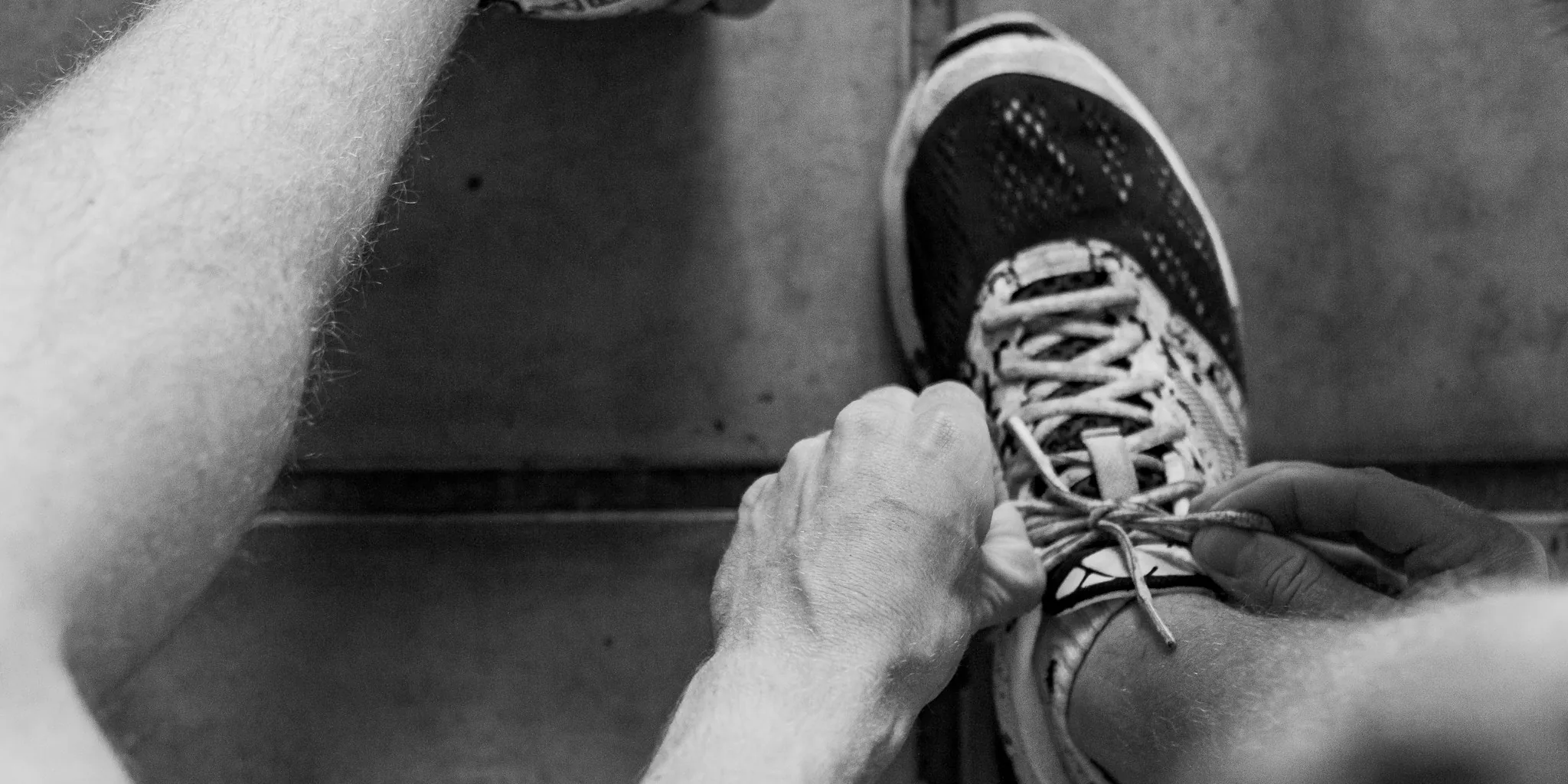

Understand the Unique Demands of Hybrid Racing
Hybrid racing events like Hyrox combine endurance running with strength training stations, creating footwear challenges that standard running shoes or CrossFit trainers simply cannot address. You’ll encounter sled pushes, wall balls, lunges, and burpee broad jumps interspersed with one-kilometer runs, meaning your shoes must perform across multiple movement patterns rather than specializing in a single discipline.
Prioritize Grip and Traction Above All Else

The most critical feature for hybrid racing success is outsole grip. Without adequate traction on artificial turf during heavy sled movements, you’ll lose precious seconds and compromise your entire race performance. Look for shoes with aggressive, textured rubber patterns and Continental or comparable outsole technology designed specifically for turf-based stations. A shoe that grips during a sled push determines whether you can even access the shoe’s other performance qualities.
Avoid High-Stack Carbon Plate Shoes Unless Highly Trained
Traditional marathon racing shoes with rigid carbon plates and tall foam stacks are popular but problematic for hybrid events. These shoes optimize forward propulsion but sacrifice lateral stability and create instability during strength movements. Additionally, wearing such shoes without extensive training can lead to overuse injuries like Achilles tendonitis, stress fractures, and patellar femoral pain. Your body needs time to adapt to these tools, and if you’re not training seven days a week like elite competitors, you’re at higher injury risk.
Seek Shoes With a Low Heel-to-Toe Drop and Wide Toe Box
An ideal hybrid racing shoe should feature a heel-to-toe drop between four and eight inches, which provides better positioning for deep squatting movements required during wall ball stations. A wide, anatomical toe box offers more room for lateral movement and stability during lunges. Asymmetrical lacing systems can also enhance fit and allow your foot greater freedom during functional movement patterns that deviate from straight-line running.
Balance Stability With Responsive Cushioning
While you need stability for strength stations, you still require responsive cushioning for running endurance. Nylon plates offer a middle ground between rigid carbon plates and minimal support, providing modest propulsion without sacrificing side-to-side mobility. Look for midsole foams designed for comfort and response rather than maximum speed. This balanced approach helps you maintain performance during the running portions while keeping your feet stable when shifting to strength movements. Strength training first approaches work better when your footwear supports both the strength and endurance components equally.
Train in Different Shoes for Different Workout Types

Rather than wearing the same shoe for every training session, rotate between footwear suited to your specific workout focus. During speed and endurance training, lace up lighter running shoes that encourage fast turnover. For dedicated station work and strength training, wear more stable cross-training style shoes that support your movements during lunges, squats, and other functional exercises. When workouts become race-specific in the final training block, introduce your competition shoes to acclimate your feet and identify any fit issues before race day. Return to running protocols benefit from this same progressive shoe introduction strategy.
Test Race Day Shoes Well Before Competition
Never wear your race day shoes for the first time on race day itself. Introduce them into your training at least two to three weeks before your event, wearing them during race-simulation workouts to understand how your feet react and identify any potential discomfort or instability. This break-in period allows your muscles to adapt to the shoe’s specific design and helps you catch problems early. Your performance depends on knowing exactly how your footwear performs when you’re fatigued and pushing through multiple demanding stations.
The hybrid racing footwear market has matured significantly, with multiple brands now offering shoes designed specifically for these events rather than forcing you to choose between pure running shoes or bulky CrossFit trainers. Research options that emphasize grip, stability, and moderate heel-to-toe drop rather than maximum speed. Comprehensive training routines paired with the right footwear give you the foundation for success. Consider your individual strengths and weaknesses on the course, then select shoes that address your specific needs rather than chasing brand hype or top-tier race technology.






Write Your Review
No reviews yet. Be the first to share your experience!