
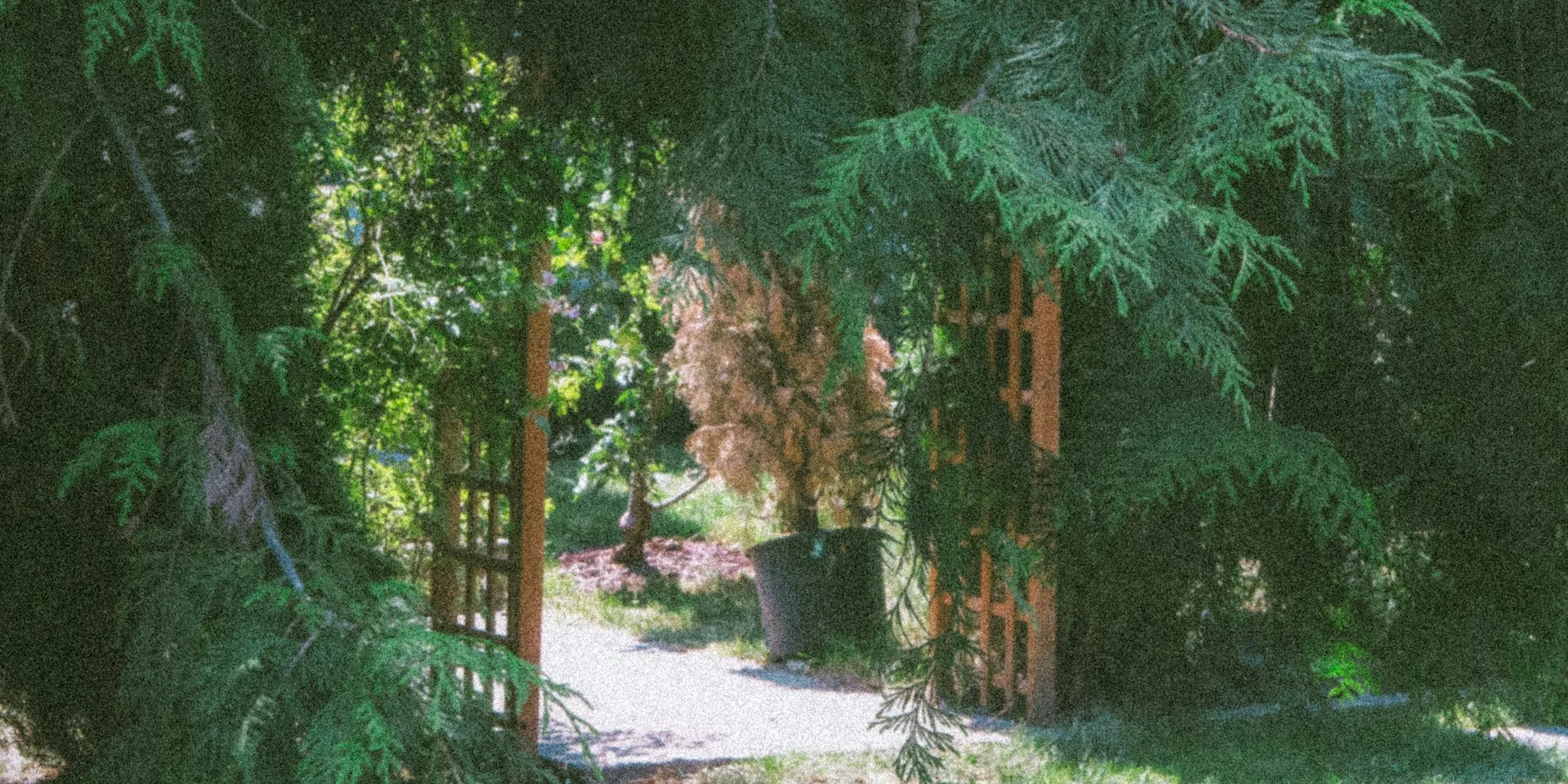

Your garden’s entrance sets the tone for the entire outdoor space. Whether you’re working with an established landscape or starting fresh, thoughtful design choices can transform an ordinary entryway into something memorable. Here are seven practical strategies to create a welcoming garden threshold that feels both intentional and inviting.
1. Install a Defined Threshold with an Arch or Gateway
One of the most effective ways to signal the transition from outside world to garden sanctuary is installing a wooden lattice arch or gateway at the property’s edge. This simple architectural element serves a dual purpose: it provides a visual marker that says “you’re entering something special,” and it frames the view of what lies beyond. The arch doesn’t need to be elaborate or expensive. A basic latticed wooden structure creates enough visual interest to feel purposeful rather than purely decorative, making visitors feel genuinely welcomed rather than simply wandering into an undefined space.
2. Create Pathways with Natural, Textured Paving
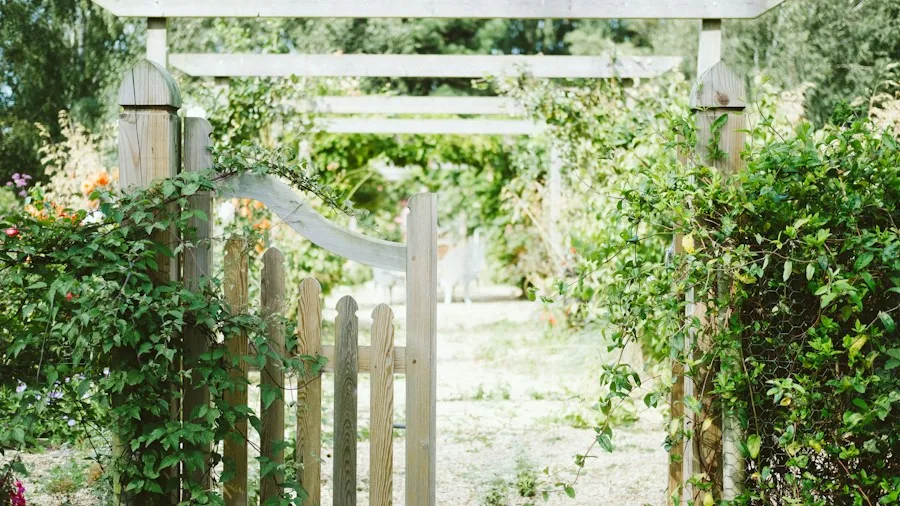
How visitors move through your garden matters just as much as what they see. Instead of installing uniform, perfectly straight pavers, consider using flagstone or similar materials laid in irregular patterns. This approach creates the illusion of a naturally worn path that has existed for years, even if you’ve just installed it. The irregular layout feels more organic and inviting than rigid geometric patterns, guiding people through your garden while adding character and warmth to the landscape.
3. Preserve and Relocate Established Plants
A garden refresh doesn’t mean tearing out everything and starting from scratch. If mature plants are already thriving on your property, carefully transplant them with their root systems intact to new locations in your redesigned layout. This approach preserves years of established growth while allowing you to reshape the overall garden composition. You’ll save money, reduce waste, and maintain the mature, settled appearance that new plantings can’t achieve for years.
4. Add Subtle Patterns and Soft Colors to Hardscaping
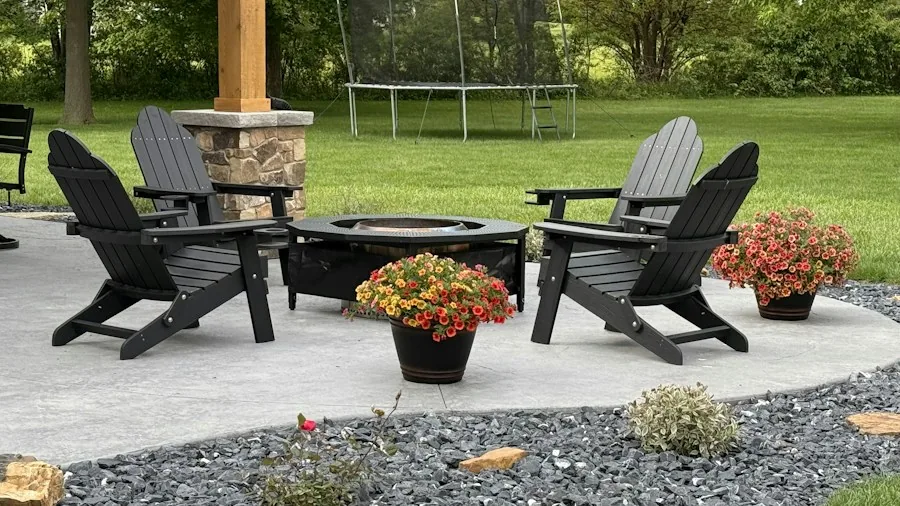
When selecting patio furniture, cushions, and outdoor accessories, resist the urge to go monochromatic. An all-white patio setup might seem timeless, but introducing subtle patterns and soft accent colors adds personality without overwhelming the space. Think pale blues, warm grays, or muted earth tones paired with geometric or botanical patterns. This restrained approach elevates your outdoor area and makes it feel more intentional and curated.
5. Update Your Home’s Exterior Trim and Window Frames
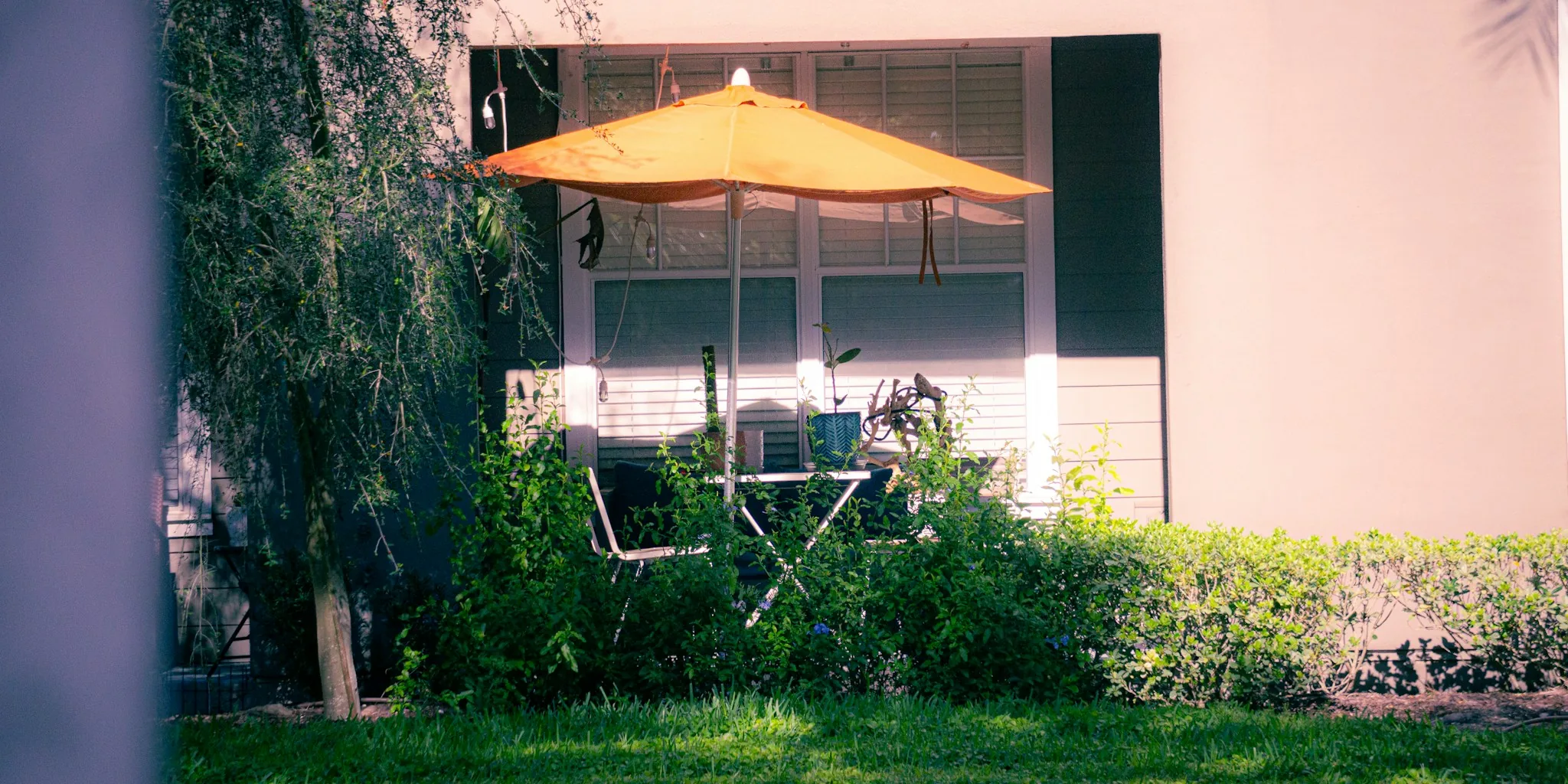
Sometimes the most impactful changes don’t require structural modifications. Swapping gray trim for crisp white and painting window frames black or dark charcoal creates immediate visual contrast and gives your home a fresh, updated appearance. This cosmetic upgrade costs far less than major renovations but dramatically improves curb appeal. The enhanced contrast draws the eye to your home’s architectural features and makes the entire property feel more polished.
6. Use Proper Tools and Gear for Garden Work
Whether you’re transplanting established plants, laying pavers, or maintaining your newly designed landscape, having quality gardening gloves for every task makes the work safer and more efficient. Invest in durable gloves that protect your hands while allowing good dexterity for detailed work. Similarly, a reliable garden hose that suits your yard size ensures consistent watering without frustration as your garden matures.
7. Consider Vertical Planting Options for Small Spaces
If your garden area is limited, think vertically. Raised garden beds work particularly well in compact yards because they maximize growing space while creating defined planting zones. Vertical structures also draw the eye upward, making small gardens feel larger and more dynamic. Trellises and climbing plants serve similar purposes, adding greenery and visual interest without consuming valuable ground-level space.
The Bottom Line
Creating a welcoming garden entrance is fundamentally about intention. Every choice, from the arch that marks your threshold to the paver pattern beneath visitors’ feet, communicates care and thoughtfulness. These strategies work whether you’re working with a small urban garden or sprawling rural property. Start with one or two changes that resonate with your vision, then build from there. A well-designed garden entrance doesn’t just look better; it transforms how people experience and remember your outdoor space.





Write Your Review
No reviews yet. Be the first to share your experience!