


There’s nothing quite like the experience of hand-feeding hummingbirds right in your own garden. When these tiny creatures decide to feed directly from your hand, you’ll hear the remarkable buzz of their wings beating over 50 times per second and feel the gentle air disturbance they create. Best of all, you’ll witness the incredible trust a bird the weight of a few grams places in you. If you’ve been maintaining reliable feeders throughout the season, you’re already positioned for success. Here are seven practical strategies to turn your regular garden visitors into hand-feeding companions.
1. Begin With a Larger Handheld Feeder
Start your hand-feeding journey with a bigger handheld feeder that has two or three feeding ports rather than jumping straight to single-port designs. These larger feeders are much easier for hummingbirds to spot from a distance, and birds gain confidence more quickly when multiple individuals can feed simultaneously. Once the hummingbirds trust you and the feeder, you can transition to smaller individual feeders that fit in your palm or attach to your finger. Some people prefer wrist-strap designs, especially if children are involved, but resist the urge to skip the bigger model at the start.
2. Position Your Feeder Next to Your Existing Setup

Place your new handheld feeder directly next to or attached to the hanging feeder your regular hummingbirds already visit. This proximity helps birds discover the hand-held option without requiring them to search for a new feeding source. Fill both feeders with either commercial nectar or homemade syrup made from sugar and water. In warmer weather above 81 degrees Fahrenheit, change the nectar every other day. When temperatures exceed 90 degrees, refresh it daily to prevent fermentation and spoilage.
3. Establish Your Regular Presence
Hummingbirds have excellent memories and quickly recognize feeding patterns. Make it a routine to be in your garden during peak feeding times, typically early morning and late afternoon. Rather than staring intently at the birds, try walking past the feeder without making direct eye contact. Sit nearby with a book or music playing through wireless earbuds to appear relaxed and non-threatening. Gradually experiment with standing or sitting closer to the birds, but always step back immediately if they show signs of alarm. Your calm, consistent presence teaches them that you’re part of their safe feeding environment.
4. Master the Art of Staying Motionless
Once birds are comfortable using both feeders and your presence, hold the handheld feeder away from your face and focus on stillness. Rather than tensing every muscle and becoming rigid, which actually frightens birds away through body language, think of yourself as a tree. Root your feet to the ground, ideally by sitting in a chair with your arm anchored on a sturdy surface, and allow only small, gentle movements while keeping your core stationary. This balanced approach maintains the calm energy that hummingbirds respond to.
5. Wear Red to Attract Hummingbirds
A simple red hat, shirt, or even red nail polish significantly increases your attractiveness to hummingbirds. These birds see warm colors with remarkable clarity and have learned that bright red typically indicates a nectar source. You don’t need head-to-toe red, just enough of the color to catch their eye and signal that feeding opportunity awaits. This small addition accelerates the hand-feeding process considerably.
6. Avoid Direct Eye Contact
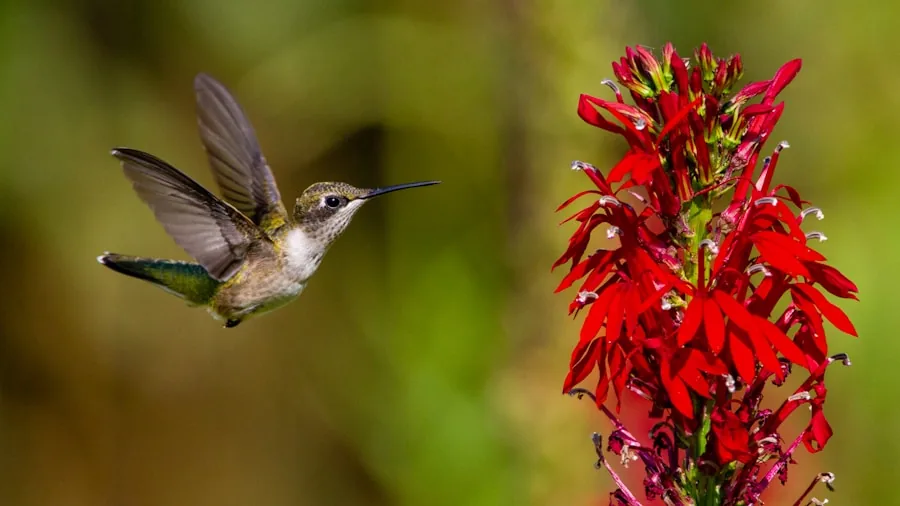
This is the most challenging step and the biggest mistake people make when attempting to hand-feed hummingbirds. All prey animals instinctively interpret a direct, fixed gaze as a predatory threat and will avoid the area. While building trust with your hummingbirds, look to the side of your hand instead of straight at the feeder. When you’ve made significant progress, try moving only your eyes sideways to observe them rather than turning your head. Patience with this technique yields dramatically better results.
7. Never Remove Your Regular Feeder Permanently
For optimal garden care and maintenance, keep your main hanging feeder positioned nearby throughout your hand-feeding efforts. Once the hummingbirds are actively using your hand-held feeder, you can temporarily remove the main one to encourage them to focus on your hand. However, always hang it back in place when your session ends. This ensures your visiting hummingbirds don’t leave your garden due to suddenly missing their preferred food source.
Important Don’ts for Safe Hand-Feeding
- Never touch or stroke the hummingbirds, no matter how tempting. The natural oils and sweat on your skin will damage their feather waterproofing and insulation properties.
- Move slowly and smoothly if you need to end your feeding session while birds are still active. Sudden movements trigger escape responses.
- Don’t panic if a hummingbird lands on your finger or hand. Their tiny claws tickle rather than scratch, and they weigh so little you’ll barely feel the contact.
When you’re ready to invest in quality garden supplies and feeders, choose feeders made from durable materials that hold nectar safely and allow for easy cleaning. Hand-feeding hummingbirds transforms your garden into a sanctuary and creates a memorable connection with nature that will keep you returning to your yard every season.




Write Your Review
No reviews yet. Be the first to share your experience!