
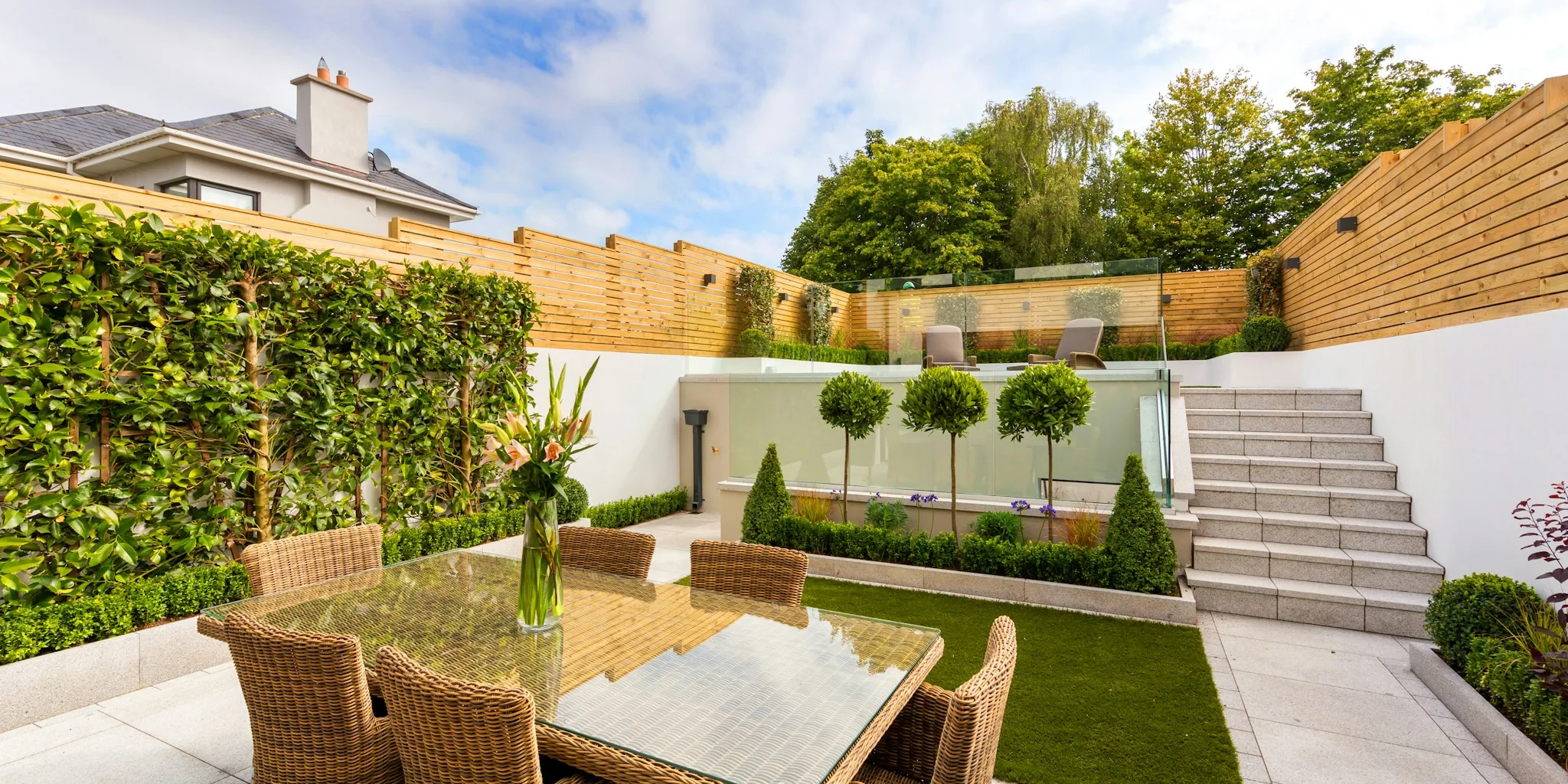

A boxy or square garden can feel cramped and limited, but landscape designers know proven techniques to visually expand the space and create a sense of openness. By applying these straightforward strategies, you can transform your small backyard into an inviting outdoor living area that feels significantly larger than its actual dimensions.
1. Divide Your Space Into Defined Zones
One of the most effective ways to make a compact garden feel more expansive is to break it into multiple functional areas using the rule of three. Rather than treating the entire space as one monotonous rectangle, create distinct zones such as a dining patio, a lounging deck, and a hidden destination at the rear. This layout naturally extends your sightline and makes the garden feel deeper than it truly is. Use elements like evergreen shrubs, ornamental grasses, or subtle uplighting to define boundaries between zones while maintaining visual flow throughout the space.
2. Plant Tall Boundaries to Direct the Eye Upward
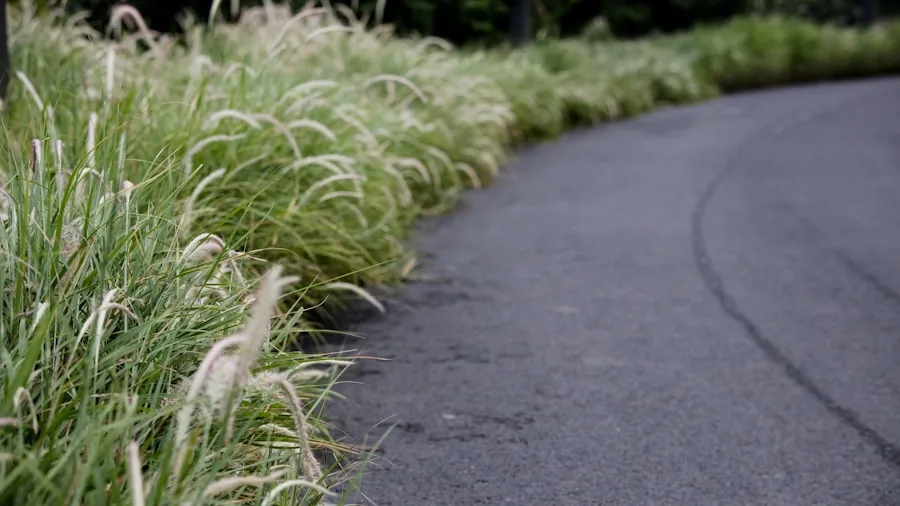
While it seems counterintuitive, enclosing a small garden with vertical planting actually makes it feel larger. Growing climbing plants like clematis or evergreen climbers along fences and walls softens hard edges and blurs the perception of your property line. These plants draw the eye upward and create an immersive feeling rather than immediately revealing the garden’s limitations. The added height also increases privacy, a bonus benefit if neighboring windows overlook your garden. Fast-growing vines won’t overwhelm the space, and they bring year-round color while breaking up long horizontal fence lines.
3. Install a Striking Focal Point in the Center
A well-placed focal point pulls attention away from your garden’s outer boundaries and toward the heart of the space. Consider a circular fire pit deck, an elegant water fountain, or a piece of garden sculpture. Circles are particularly effective in square gardens because they naturally contrast with rigid corner angles and create a cohesive, intentional look. Even a circular lawn in the middle of a rectangular garden transforms how the space feels. This simple change breaks harsh boundary lines and makes the overall design feel more purposeful and aesthetically balanced.
4. Select a Dramatic Accent Plant
A single statement plant positioned strategically can completely redirect attention from fence edges and walls. Ornamental multi-stem trees like ‘Little Gem’ magnolia or Cornus kousa ‘Satomi’ command attention while remaining compact enough for small yards. These trees adapt well to pruning, allowing you to maintain their shape without overwhelming the space. One standout plant creates a visual focal point that naturally draws the eye inward, away from the property boundaries. This is one of the quickest, easiest upgrades you can make with enormous visual impact.
5. Create Curved or Angled Pathways
Straight lines emphasize a garden’s rectangular shape and reinforce the feeling of being boxed in. Instead, design pathways that zigzag or feature dog-leg bends between landscaping elements like raised beds and strategic plantings. These angled routes force your gaze to change direction repeatedly, disguising the garden’s true dimensions and making the space feel wider and more interesting. An elevated decking pathway that winds between focal points and plantings naturally distracts from the square outline while adding architectural interest to your design.
6. Eliminate 90-Degree Angles in Hard Landscaping
Sharp corners throughout a garden emphasize the boxy perimeter and create visual monotony. Raised beds, patio edges, and border designs with obtuse angles create an optical illusion of greater space because the lines extend longer than they would with right angles. This softer approach feels more relaxed and organic while making every feature appear larger. Survey your garden and replace rigid 90-degree angles with gentle, sloping lines wherever possible, particularly in prominent areas like flower borders and edging.
7. Use Asymmetrical Planting Arrangements
Symmetrical designs feel predictable, while asymmetrical layouts introduce visual interest that distracts from limited dimensions. Rather than placing identical trees or pots directly opposite each other along a path, stagger them to create deliberate imbalance. Plant similar but non-matching species in beds on either side of focal features. This informal technique makes the garden feel less static and more like a living, evolving space. Strategically positioned container gardens with varied plantings offer the same benefit without requiring major garden redesign.
8. Interrupt Sight Lines With Strategic Elements
Designers use sight lines, the natural visual path through a garden, to create depth and intrigue. If your view travels directly from the patio to the back fence, the space feels compressed. Place tall ornamental grasses, plants, or architectural features to partially block this direct view, forcing the eye to pause and look around the obstruction. This extended visual journey makes the garden feel considerably deeper. Tall varieties like Miscanthus sinensis also suggest hidden space beyond what you can immediately see, adding mystery and perceived dimension to the overall layout.






Write Your Review
No reviews yet. Be the first to share your experience!