


Understanding Crabgrass and Why It Invades Your Lawn
Crabgrass is one of the most persistent lawn problems homeowners face. This annual weed resembles regular grass but grows in lighter-colored clumps that spread into patches across your yard. It thrives in sunny areas and typically germinates when spring temperatures reach around 60 degrees Fahrenheit. The real challenge is that crabgrass produces seed-bearing flowers throughout the growing season, meaning one season of neglect can lead to years of problems. Before the plant dies off in late summer, it drops thousands of seeds that become next year’s infestation.
The good news is that crabgrass doesn’t appear randomly. Its presence signals specific underlying issues with your lawn’s health and care routine. Once you understand what’s causing the problem, you can take targeted action to eliminate it and prevent future invasions.
Tip 1: Aerate Compacted Soil
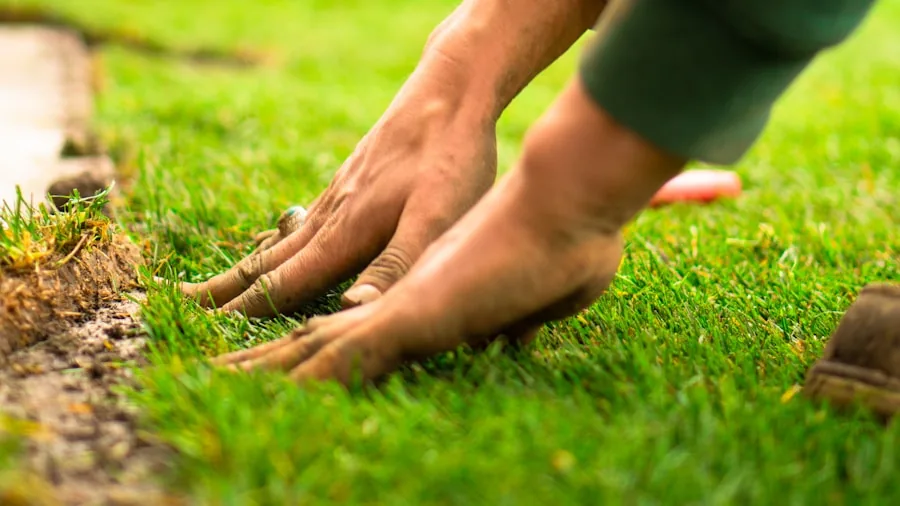
Compacted soil is a primary culprit behind crabgrass invasions. Heavy foot traffic, construction equipment, clay-heavy soil, and lack of proper aeration all compress the ground and create the ideal environment for this weed to take hold. Healthy, loose soil discourages crabgrass while supporting strong turfgrass growth.
Aeration involves creating small holes in your lawn to loosen compacted earth and improve water and nutrient penetration. You can hire professionals to handle this task, or invest in an aerator for DIY work. Battery-powered models offer convenience for medium-sized yards, while manual aerators work well for smaller spaces and are often more affordable.
Tip 2: Fill Bare Spots with Overseeding
Thin grass and bare patches are open invitations for crabgrass to establish itself. These weak areas often result from excessive shade, disease, pest damage, or aggressive weed removal that leaves the lawn exposed. Rather than waiting for invasive weeds to fill the gaps, take control by overseeding.
Overseeding involves spreading quality grass seed across thin or bare areas of your lawn. The type of seed you choose should match your geographic growing zone and your yard’s light conditions. This proactive approach fills empty space with desirable grass before crabgrass gets a foothold, and it strengthens your overall lawn density to naturally resist future weed problems.
Tip 3: Follow the One-Third Mowing Rule
How you mow directly impacts whether crabgrass can establish itself. Cutting your grass too short or too frequently weakens the turfgrass and gives aggressive weeds the advantage they need to dominate. When grass blades are too short, they can’t capture enough sunlight to develop robust root systems.
The solution is simple: never remove more than one-third of the blade length in a single mowing. This maintains adequate leaf surface for photosynthesis and creates shade that naturally suppresses smaller weeds. The best lawn mowers for every yard size and budget can help you maintain consistent, proper cutting heights. Adjust your mowing frequency seasonally as well, reducing it during late summer when heat stress slows grass growth.
Tip 4: Get Your Fertilizing Schedule Right
Fertilizer balance is critical. Underfertilizing weakens turfgrass, while overfertilizing or applying it at the wrong time stresses your lawn and actually encourages crabgrass and other weeds. Applying fertilizer during summer heat or too frequently is particularly damaging.
Start the growing season with a fertilizer that includes a pre-emergent herbicide. These combination products feed your lawn while preventing crabgrass seeds from germinating in the first place. This approach is far more effective than trying to remove crabgrass after it’s already established.
Tip 5: Choose Quality Seed for Your Zone
Not all grass seed works equally well in every region. Your growing zone, local climate, and yard conditions all determine which grass varieties will thrive. Selecting the right seed for your specific area ensures faster establishment and stronger competition against invasive weeds like crabgrass.
Tip 6: Monitor Your Lawn Regularly
Early detection makes all the difference. Walk your lawn weekly during spring and early summer to catch crabgrass before it flowers and sets seed. Spotting small patches allows you to remove them manually or treat them with targeted herbicides before they spread. Clean lawn borders also help you maintain better control over weed encroachment along the edges of beds and walkways.
Tip 7: Maintain Consistent Lawn Health Year-Round
The strongest defense against crabgrass is a dense, healthy lawn. Consistent watering, appropriate fertilization, proper mowing height, and annual aeration create conditions where desirable grass thrives and weeds struggle. Modern lawn equipment like robot mowers can help maintain consistent care throughout the season, reducing the physical burden of lawn maintenance.
Moving Forward
Crabgrass doesn’t appear without reason. By addressing soil compaction, filling bare patches, adjusting your mowing practices, and timing your fertilizer applications correctly, you can eliminate existing crabgrass and prevent future infestations. A healthy, well-maintained lawn naturally resists invasive weeds and stays looking lush all season long.





Write Your Review
No reviews yet. Be the first to share your experience!