


Dell has brought back one of its most beloved laptop lines after a year-long absence that left loyal customers disappointed. The company’s 2026 XPS 16 represents far more than a simple revival, it’s a refined evolution of the premium device that professional users and content creators have been waiting for. Here’s what this relaunch means for buyers in the market for a high-end Windows machine.
The Return That Fans Wanted
Last year, Dell experimented with rebranding its XPS series into “Plus” and “Premium” variants. The shift didn’t resonate with customers who valued the original XPS identity and its distinctive features. Rather than double down on that strategy, Dell listened to feedback and brought the XPS name back for 2026, complete with substantial improvements across design, performance, and functionality.
The new XPS 16 signals that premium laptop makers are willing to adapt when their audience speaks up. This approach matters for shoppers because it demonstrates that established brands can still evolve their offerings based on real-world user needs rather than corporate directives alone.
Design and Build Quality That Stands Out
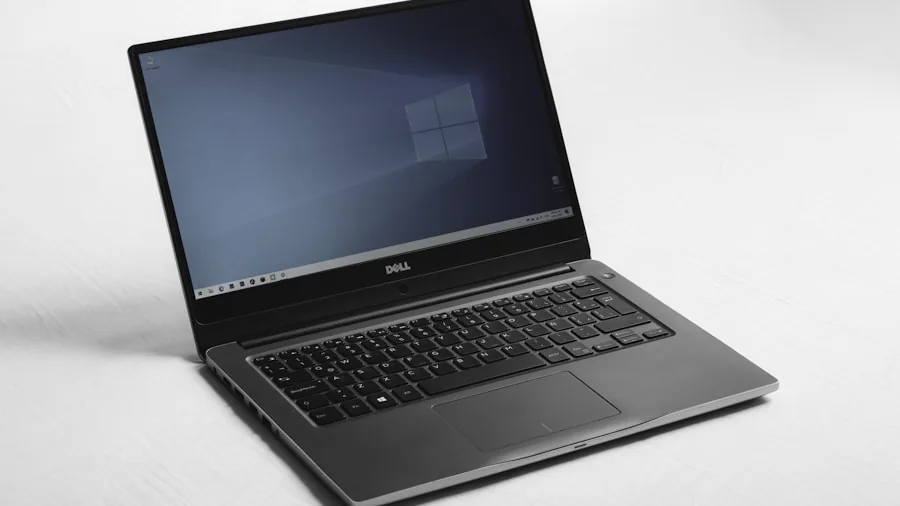
The XPS 16 features a sleek Graphite finish wrapped around a chassis that feels genuinely premium. Dell has constructed the laptop primarily from CNC-machined aluminum, with Gorilla Glass 3 protecting the display. The result is a device that weighs just 3.65 pounds and measures 14.6mm thick, making it remarkably portable for a 16-inch machine.
The thin, lightweight design doesn’t compromise durability. The materials feel solid enough to withstand the occasional accidental drop, though the laptop’s slender profile means it fits comfortably into most backpacks. For professionals who travel frequently between client sites or work locations, this balance between power and portability is genuinely valuable.
One design tradeoff worth noting: the port selection is minimal. You get three Thunderbolt 4 ports and a headphone jack, nothing more. Users who regularly connect multiple external drives or peripherals should budget for a docking station or hub.
The Display and Multimedia Experience
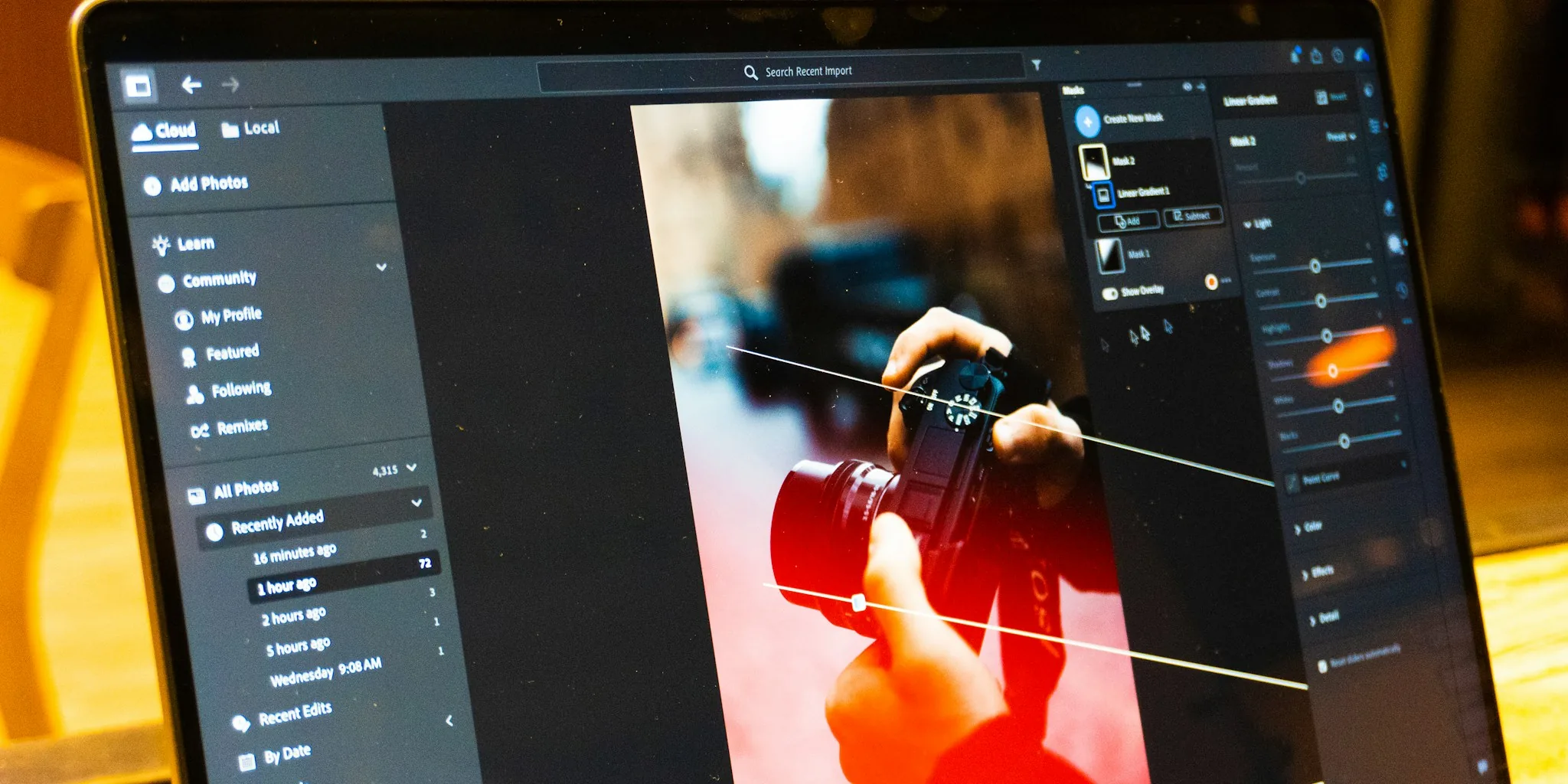
The standout feature is the 16-inch 3.2K OLED touchscreen that dominates the laptop’s appeal. This panel delivers rich, accurate colors with exceptional sharpness, making it ideal for photo and video work. The ultra-thin bezels create an immersive viewing experience, and the fine detail clarity is genuinely impressive. Professionals working in fields requiring color accuracy and visual precision will appreciate the screen quality.
Paired with the display is an 8-megapixel camera capable of recording 4K video with HDR support, delivering sharp and vibrant imagery for video calls or content creation. The quad-speaker audio system, featuring dual 3-watt main speakers and dual 2-watt tweeters, produces clear, well-balanced sound without feeling thin or tinny. The bass response is adequate without requiring a dedicated subwoofer.
Performance for Demanding Work
The top-tier configuration tested includes an Intel Core Ultra X7 358H processor, 32GB of RAM, integrated Intel Arc graphics, and a 1TB SSD. This hardware handles video editing, photo work, and coding projects without stuttering or lag. Day-to-day performance feels snappy and responsive, rivaling what many users expect from desktop computers.
In processing benchmarks, the XPS 16 outperforms most competing flagship laptops, though it trails slightly behind certain Apple machines. For GPU-intensive creative work, dedicated graphics cards in competing models do provide advantages, but the integrated Intel Arc GPU proves sufficient for most professional tasks at a significantly lower price point.
Battery life reaches approximately 14 hours under mixed use on the high-end model, allowing a full workday without charging. The base model allegedly extends to 31 hours of battery life, though real-world results vary based on usage patterns.
Pricing and Value Proposition
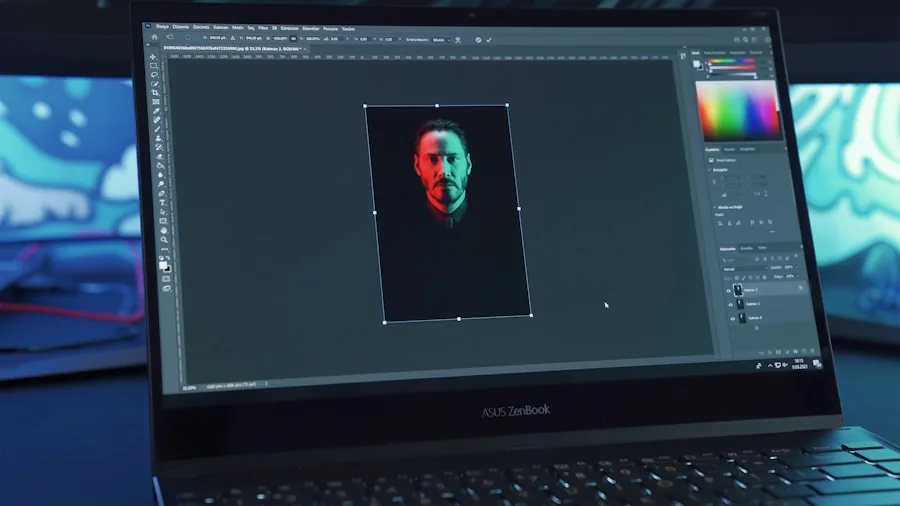
The Dell XPS 16 starts at $1,900 for a configuration with an Intel Core Ultra 7 325 processor, 16GB of RAM, 512GB storage, and a 2K display. Higher-end configurations include bundled software like Battlefield 6, Adobe Premiere Pro, and Creative Cloud subscriptions, bringing prices to $2,350 to $2,460.
For business professionals seeking reliable portable workstations, this pricing positions the XPS 16 as a significant investment but not an outlier compared to comparable premium Windows or macOS machines. Content creators get genuine performance advantages over budget alternatives without the premium pricing of ultra-high-end gaming laptops.
Who Should Consider This Laptop
The XPS 16 makes sense for professionals who prioritize display quality, processing power, and portability equally. Graphic designers, video editors, photographers, and software developers will find the hardware and screen compelling. Business users who value premium aesthetics and build quality will also appreciate what Dell offers here.
This isn’t a gaming-focused machine, nor is it designed for users primarily concerned with battery longevity above all else. The limited port selection may frustrate anyone with extensive external device connectivity needs. But for those seeking a well-rounded, elegant Windows laptop that can handle serious creative and professional work, the redesigned XPS 16 delivers on multiple fronts and represents a genuine evolution of an iconic line.



Write Your Review
No reviews yet. Be the first to share your experience!