


Dell has introduced a new contender in the affordable laptop market with its latest XPS 13 model, priced at $699 and as low as $599 for eligible students. This move directly addresses a gap that emerged when Apple’s budget-friendly MacBook option reset expectations for what buyers should expect in this price range. The new XPS 13 delivers a surprising combination of premium build quality, strong display technology, and genuine portability that makes it worth serious consideration for Windows users shopping on a tight budget.
What Makes the XPS 13 Stand Out
The defining characteristic of this laptop is its commitment to actual construction quality rather than plastic compromises common in budget-friendly machines. The aluminum chassis feels robust and purposeful, maintaining the clean design language associated with Dell’s XPS lineup while avoiding the premium pricing tag. At just 1 kilogram and 12.7 millimeters thick, the XPS 13 achieves a level of compactness and lightness that even rivals established competitors when placed side by side. The hinge operates smoothly and remains firm, and the overall build quality suggests this machine can handle daily commuting and bag-based work without worry.
For buyers prioritizing portability, the physical advantages become immediately apparent. The laptop’s smaller footprint makes it considerably easier to hold in one hand compared to similar 13-inch machines, giving it a clear edge for professionals who work across multiple locations throughout the day. This isn’t just a minor convenience factor; it fundamentally changes how convenient the laptop becomes for mobile work scenarios.
Display Quality That Punches Above Its Price
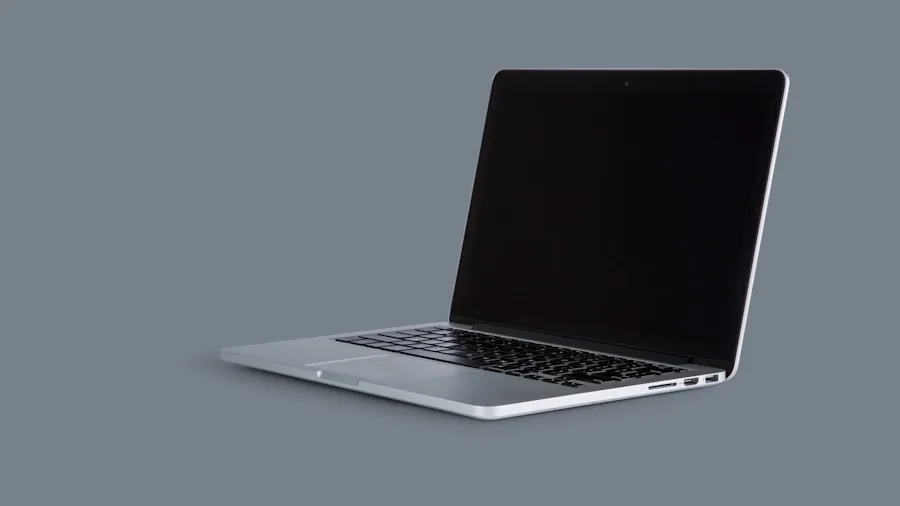
The 13.4-inch, 2.5K touchscreen represents one of the strongest selling points against competing budget options. The panel delivers sharp text and sufficient screen space for productivity tasks despite the compact form factor. Brightness reaches 500 nits, which rates as genuinely strong for this price bracket and ensures usability even in well-lit environments. The inclusion of anti-glare treatment shows attentiveness to real-world working conditions, since reflections from office lighting or windows can quickly undermine an otherwise capable display.
Touch support adds functionality that many competing laptops either omit or charge substantially more for. The variable refresh rate, capable of climbing from 30Hz to 120Hz, makes scrolling appear smooth and responsive. When examined during hands-on evaluation, the panel appeared sharp with clear text rendering and no cheap aesthetic compromises. This display quality becomes particularly relevant for anyone considering editing tasks or content creation work, where screen clarity matters significantly.
Keyboard and Touchpad Represent Realistic Tradeoffs
The keyboard exhibits a slightly softer, mushier response compared to premium XPS models or MacBook alternatives. While this doesn’t render the keyboard unusable, it does create a typing experience that feels less satisfying than pricier machines. Longer writing sessions may reveal whether this softer action becomes fatiguing for extended use, though initial impressions suggest acceptability for most users at this price point.
The touchpad uses conventional mechanics rather than the seamless haptic technology found on recent premium XPS configurations. Tracking accuracy remained reliable, and the surface provided comfortable room relative to the laptop’s compact size. The physical click mechanism felt slightly stiff initially, though this typically improves with use.
Performance and Storage Considerations
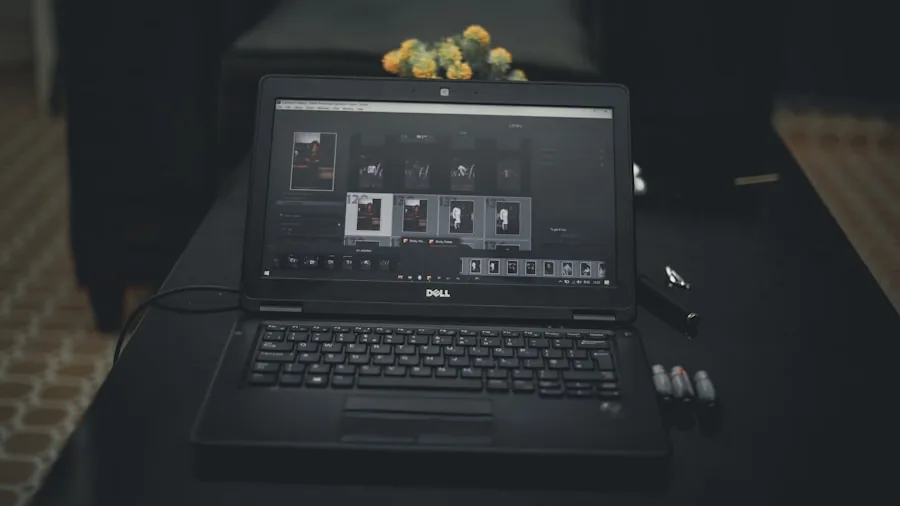
The base configuration pairs an Intel Core 5 320 processor with 8GB of memory and 512GB of solid-state storage. The storage capacity handles most user scenarios effectively, but the 8GB of single-channel memory deserves close attention during any detailed evaluation, particularly if you plan on multitasking or gaming. This specification may affect performance when running multiple demanding applications simultaneously.
What This Means for Shoppers
The arrival of the XPS 13 signals that budget Windows laptops have genuinely moved beyond plastic construction and disappointing displays. Dell has successfully brought its premium design identity to an accessible price point without cutting corners on materials or display quality. While the MacBook Neo still casts a significant shadow in this price category, the XPS 13 provides a legitimate alternative that offers superior portability, a larger and more feature-rich display, and the advantages of Windows computing.
For shoppers evaluating affordable laptops, this machine represents meaningful progress in the budget segment. The combination of aluminum construction, touchscreen capability, strong brightness levels, and remarkable thinness creates compelling value at $699, with student pricing making it even more accessible. The keyboard and touchpad represent areas where budget constraints become apparent, but neither represents a dealbreaker for the price. This laptop proves that affordability no longer requires sacrificing quality materials or thoughtful design.

Write Your Review
No reviews yet. Be the first to share your experience!