

Beat the Heat with Quick Growing Shade Plants
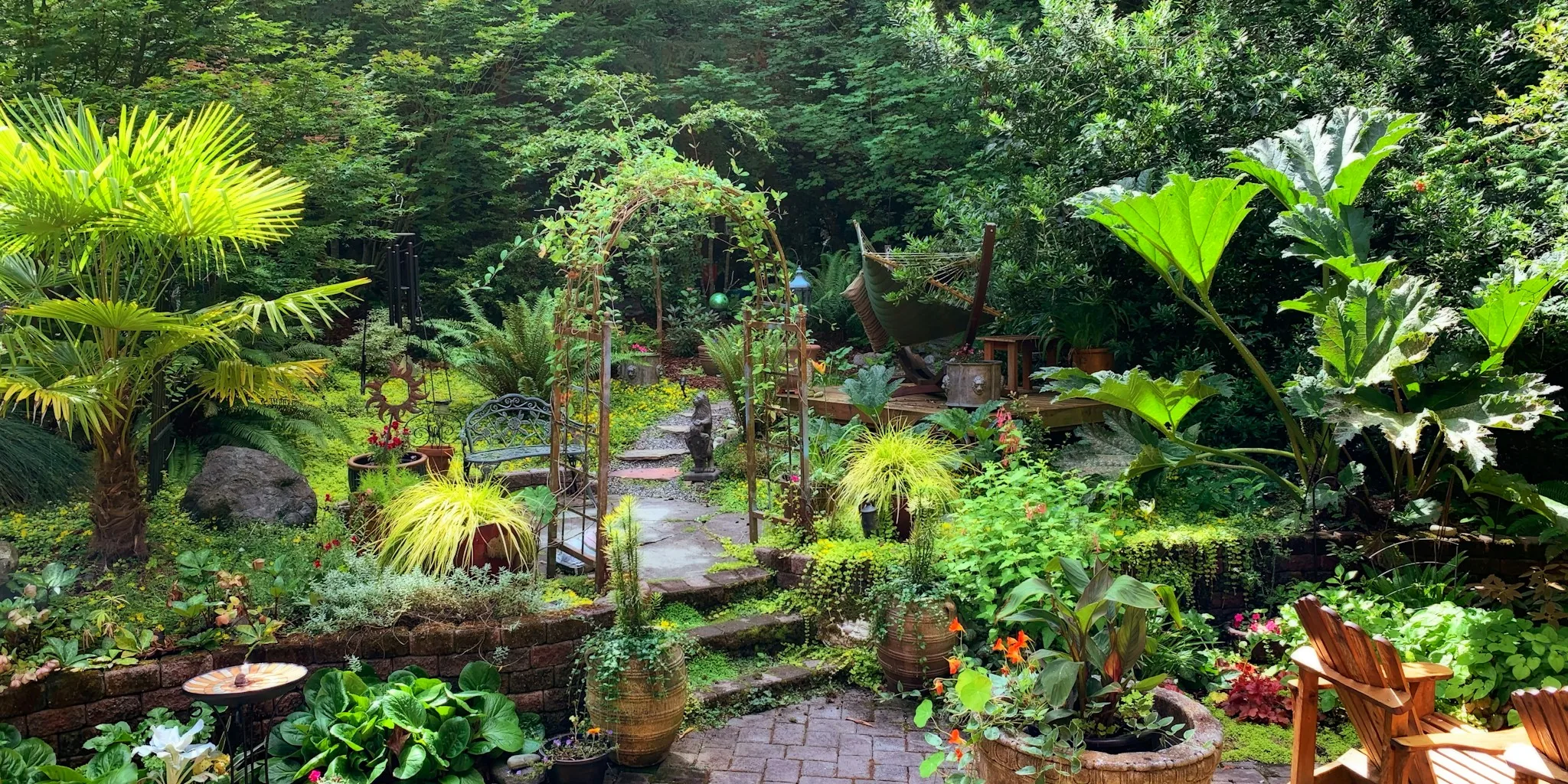
Summer brings scorching sun and uncomfortable outdoor living spaces. The solution is simpler than you might think: fast-growing shrubs can transform a blistering hot zone into a cool, comfortable retreat in just one season. Beyond providing physical shade, these plants release moisture through transpiration, which naturally cools the surrounding air. When grouped together, the effect becomes even more pronounced, creating microclimates that reduce ambient temperature throughout your yard.
Selecting the right shrub varieties matters as much as planting them at the right time. Shrubs with dense foliage or large leaves offer the most cooling benefits because they release more water vapor into the air. Color choices also influence how hot or cool a space feels: shades of green, blue, and violet are naturally calming, while yellows, reds, and oranges visually intensify heat sensations.
Planting Summer Shrubs: Essential Care Steps
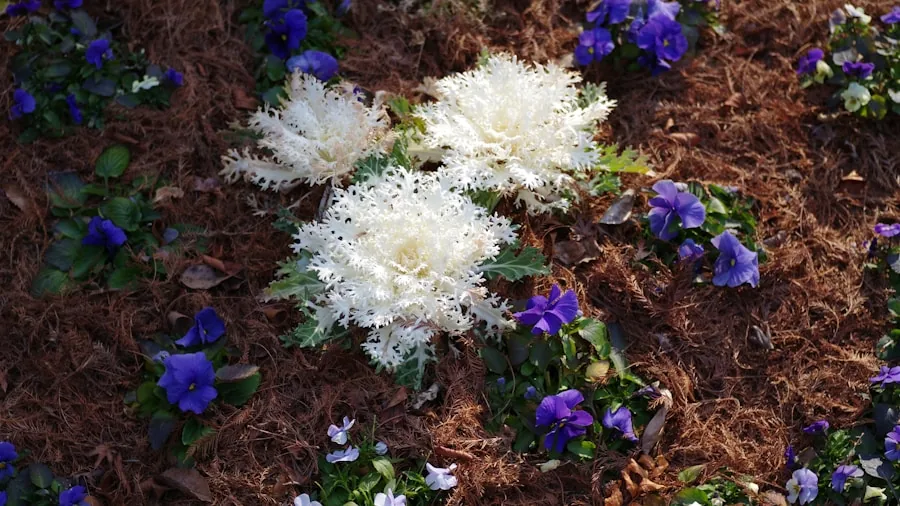
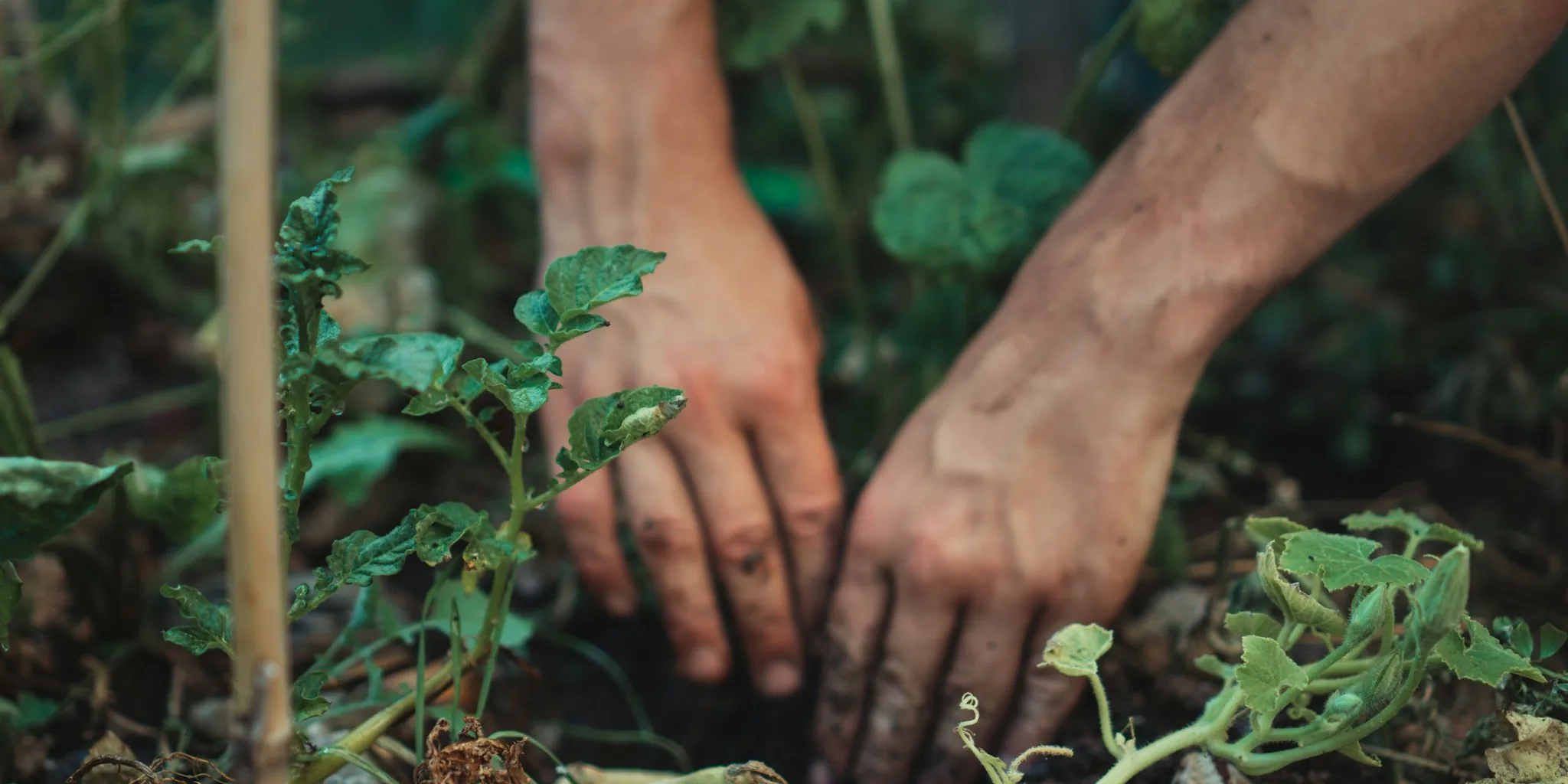
Nursery container-grown shrubs can be planted during summer, but timing and aftercare are crucial. Plant during overcast conditions or early evening when temperatures are lower, then water deeply. Keep newly planted shrubs consistently moist throughout the establishment period, which may require daily watering during extreme heat or every other day in moderate conditions. Avoid fertilizing during the heat of summer, as this can stress young plants.
Mulch is your secret weapon for summer success. Apply 2 to 3 inches of mulch around the base, keeping it at least 4 inches away from the shrub’s stem. This protective layer keeps roots cool, retains soil moisture, and prevents temperature fluctuations that damage establishing plants. High-quality mulch also improves soil structure over time.
Six Superior Shade Shrub Options
Viburnum: Flowers, Fruit, and Fall Color
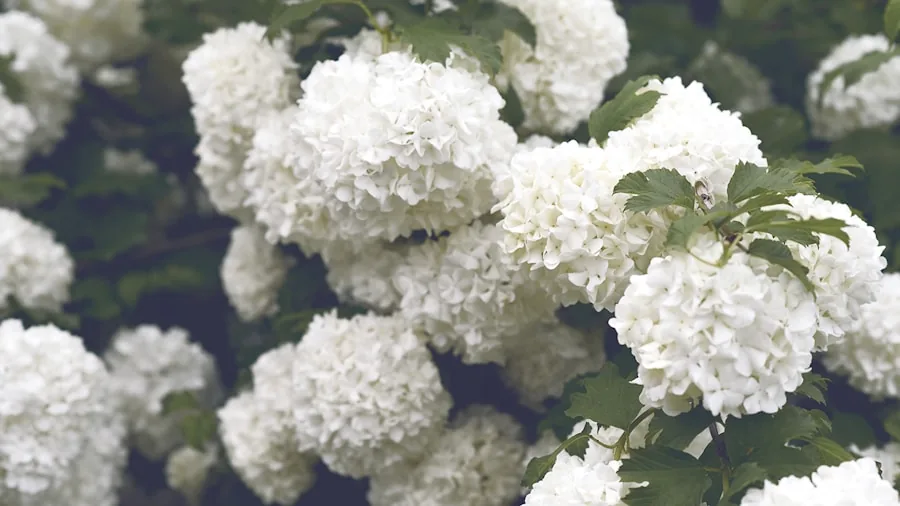
Viburnums are versatile workhorses in any landscape, offering both deciduous and evergreen varieties. These shrubs grow 1 to 2 feet annually, reaching 5 to 12 feet depending on the variety. Most produce white flowers followed by colorful fruit that birds adore. Arrowwood viburnum produces blue-black berries and thrives in zones 3 to 8, while American cranberrybush delivers striking red fruit in late summer across zones 2 to 7. Leatherleaf viburnum remains semi-evergreen with spring flowers and fall berries, hardy in zones 5 to 8. All prefer full sun to light shade and well-draining soil enriched with organic matter.
Ninebark: Tough Native with Year-Round Interest
Ninebark is an exceptionally hardy Eastern North American native that tolerates drought, clay soil, and variable conditions. Growing up to 8 feet tall in zones 2 to 8, it’s renowned for exfoliating bark that reveals attractive patterns once leaves drop in winter. Cultivars offer stunning foliage in purple, yellow, chartreuse, and bicolor combinations. The ‘Diabolo’ variety features deep purple leaves with creamy white summer flowers, while ‘Snowfall’ pairs dark green foliage with pink-tinged white blooms.
Panicle Hydrangea: Extended Bloom Season
Panicle hydrangeas flower from midsummer through fall on new growth, eliminating concerns about late frost damage. Their tall, conical flower clusters start white and gradually shift to pink or red. Taller cultivars like ‘Quick Fire,’ ‘Limelight,’ ‘Vanilla Strawberry,’ and ‘Fire Light’ reach 8 feet and provide substantial shade. ‘Phantom’ is especially impressive, growing to 10 feet with enormous white flower heads. These shrubs tolerate more sun than other hydrangea types but appreciate morning sunlight and afternoon protection in zones 3 to 8.
Rose of Sharon: Continuous Summer Color
Rose of Sharon grows rapidly into a graceful vase shape between 8 and 12 feet tall, blooming non-stop from summer into fall. The hibiscus-like flowers arrive in pink, red, blue, white, purple, violet, and bicolor combinations, both single and double forms. Modern sterile cultivars like ‘Diana,’ ‘Aphrodite,’ ‘Azurri Blue Satin,’ and the ‘Sugar Tip’ series won’t create excessive seedlings. These heat lovers thrive in full sun and tolerate humidity and drought across zones 5 to 8.
Dappled Willow: Striking Variegated Foliage
Dappled willow stands out for its stunning multicolored leaves in pink, white, and apple green that flow like a fountain. Hardy in zones 4 to 10, it reaches 8 to 10 feet tall and wide. Pruning the foliage several times during the growing season encourages fresh growth flushes and maintains its decorative appearance. It prefers moist, fertile soil in full to part sun conditions.
Crepe Myrtle: Rapid Growth and Extended Blooms
Crepe myrtle is perhaps the fastest-growing option, potentially reaching mature height in a single season. This heat-loving shrub produces ruffled flowers in red, pink, white, lavender, and purple from midsummer through fall. Height varies dramatically by cultivar, ranging from 6 to 30 feet in zones 6 to 9. Exfoliating bark adds winter visual appeal, and foliage transitions to brilliant yellows, oranges, and reds in autumn. If winter cold damages top growth, the plant regenerates from its roots.
Choose the Right Plant for Your Zone
Always consult plant tags and verify USDA hardiness zones before purchasing. Growing plants outside their recommended zones leads to disappointment and waste. With proper selection and summer planting care, these six shrubs will deliver cooling shade, attract wildlife, and enhance your outdoor living space for years to come.

Write Your Review
No reviews yet. Be the first to share your experience!