
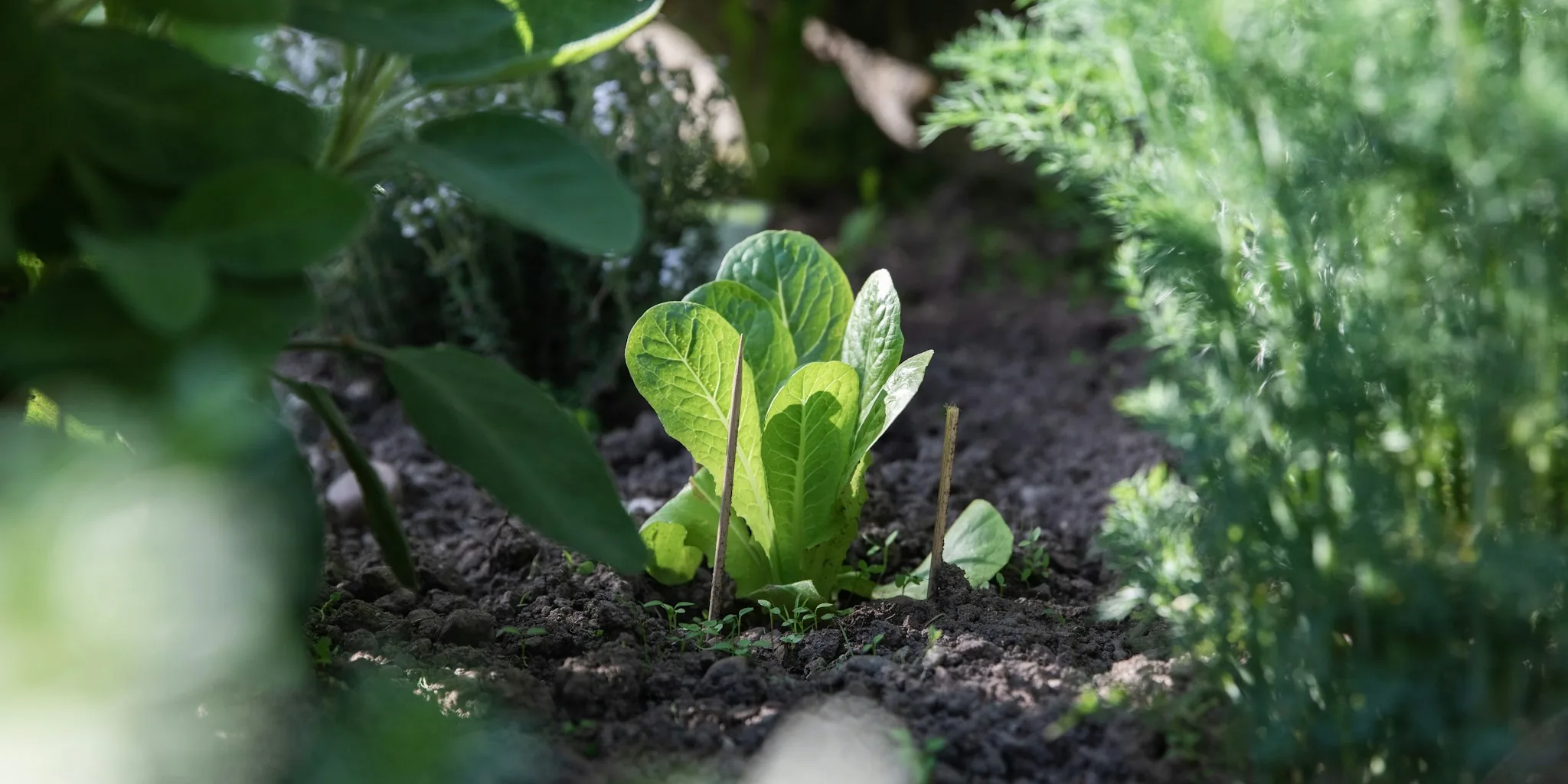

Late summer is a critical time in the garden, but not always the moment to reach for the fertilizer bag. As daylight hours shorten and nighttime temperatures begin to cool, plants receive a natural signal to slow their growth and prepare for dormancy. Applying fertilizer during this window can trigger the opposite response, pushing tender new growth that won’t survive the approaching frost. Understanding which plants need a feeding break in August can protect your garden investment and ensure stronger plants next spring.
Why August Feeding Often Backfires
Plant growth cycles follow light and temperature cues, not the calendar. When you fertilize established shrubs and perennials in August, you’re essentially overriding their natural shutdown sequence. Nitrogen based fertilizers are particularly problematic because they stimulate leafy, tender tissue that requires weeks to harden off before freezing weather arrives. Soft growth created in late summer rarely survives a hard freeze and can invite disease pressure as well. Timing matters far more than the amount you apply.
Six Plants That Need to Avoid Fertilizer in August
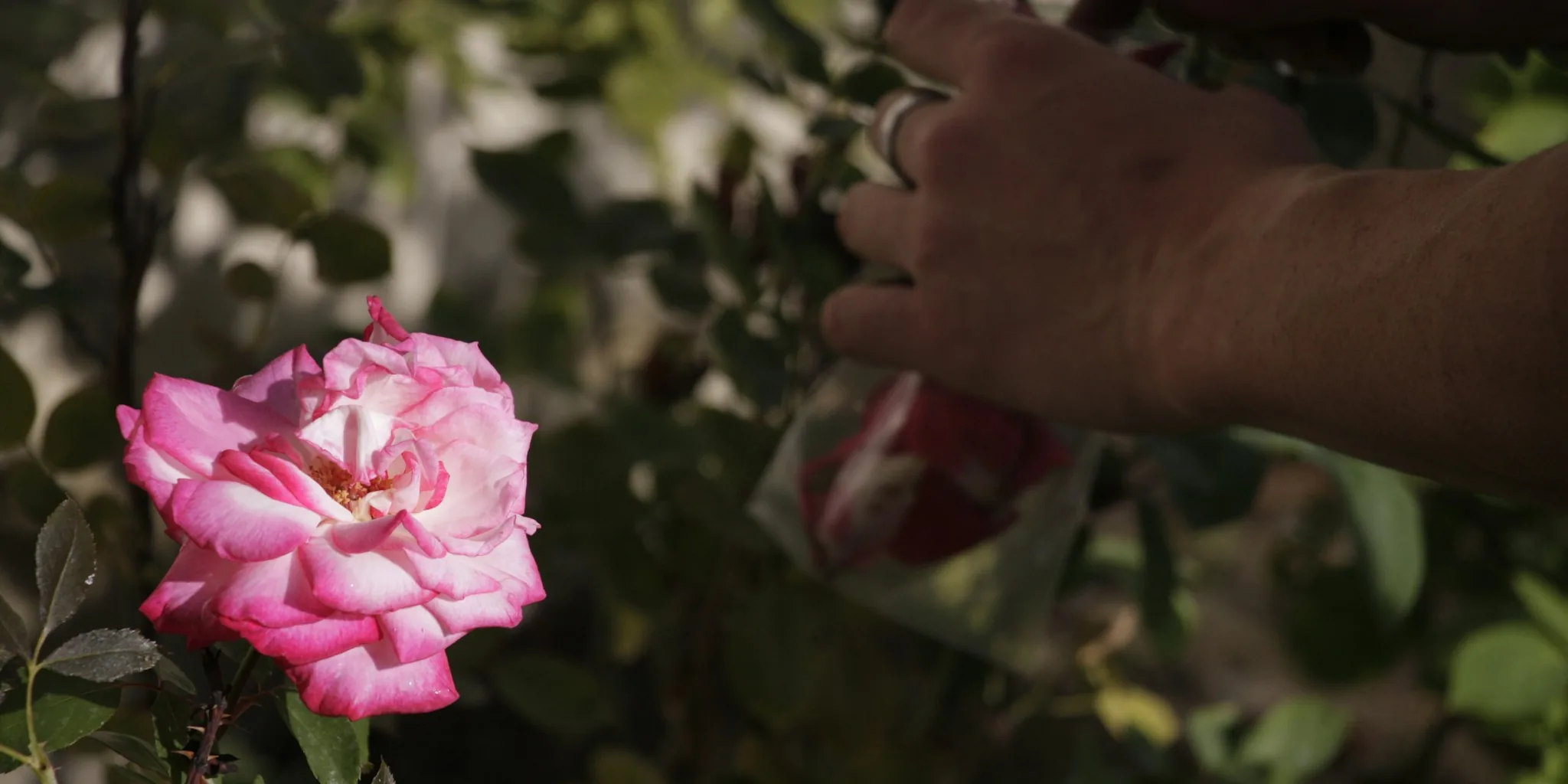
Roses
Bright red shoots appearing on rose canes in September might look promising, but they’re mostly water with minimal structural strength. These tender canes won’t harden properly before frost, leaving them vulnerable to winter die back. Disease pressure also increases because dense new foliage traps humidity against the plant, creating ideal conditions for black spot fungus. Skip feeding six to eight weeks before your average first frost date. Deadheading can taper off around the same time to signal the plant that its season is winding down. Potassium from sulfate of potash magnesia is the single exception, as it supports cell wall strength and cold tolerance without stimulating new shoots.
Tomatoes
A tomato plant heavy with green fruit doesn’t need nitrogen in August. Late season nitrogen feeds leafy growth instead of fruit development, and the green tomatoes already hanging on the vine have the sugars needed to finish ripening. Excessive foliage also traps moisture in the canopy, promoting septoria leaf spot and late blight. Consistent watering and light pruning of lower branches will serve you far better than a late feeding.
Bigleaf Hydrangeas
Next year’s flowers are setting right now on bigleaf hydrangea varieties. These plants form flower buds on old wood throughout late summer and fall. A nitrogen push at this stage produces soft, sappy shoots that carry developing buds into winter unprepared for frost. Those shoots die back, taking the flower buds with them. You’ll get a full canopy of leaves in spring with virtually no blooms. Panicle and smooth hydrangea varieties flower on new wood and tolerate August feeding better, which is why garden advice on this subject sometimes contradicts itself.
Blueberries
Blueberry bushes have a short feeding window: from bud break through midsummer. Their shallow, fine root systems continue taking up nitrogen well past the point when the plant should be entering dormancy. Late season nitrogen uptake can delay the cold hardening process right when freezing weather approaches. Pine bark mulch applied in late summer is a better investment than fertilizer, as it maintains consistent soil moisture and temperature through the final heat without forcing growth.
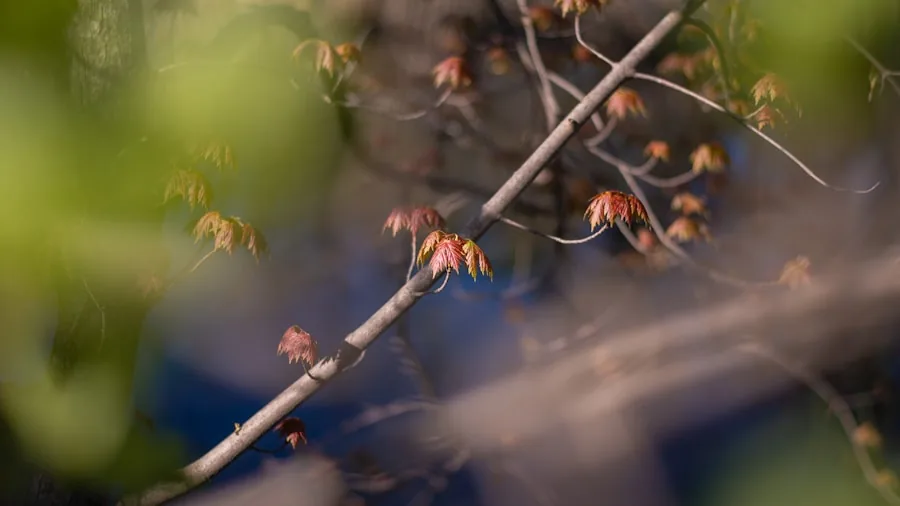
Japanese Maples
Scorched leaf margins in midsummer often send gardeners searching for nutrient deficiencies, but the real culprits are usually inconsistent watering or reflected heat. Japanese maple grows slowly by design and isn’t signaling a hunger for more nitrogen. Feeding this close to frost produces thin, weak branch tips that won’t harden in time, plus it muddies fall color development since the sugars that create red pigmentation form best when the tree is actively slowing down. A soil test kit from a garden supplier can answer nutrient questions before you apply anything. Many established Japanese maples go years without supplemental feeding in decent soil.
Peonies
Peonies complete their annual growth cycle in early summer. The foliage remaining in late summer and fall is working to pack sugars back into the crown for next spring’s emergence. An August feeding won’t speed this process and actually leaves soft tissue and excess nitrogen around a plant already susceptible to botrytis blight fungus. The correct feeding windows are early spring and the weeks immediately after bloom. Leave the foliage standing until it yellows naturally, then cut it back. Skip the August feeding entirely.
What to Do Instead of Fertilizing
August feeding restraint is genuinely rare gardening advice that costs nothing but delivers real rewards. Focus on consistent watering, mulch maintenance, and light pruning instead. These practices support plant health far more effectively as the season winds down. Established plants in decent soil rarely need supplemental feeding in late summer anyway. A quiet finish now translates into healthier, more vigorous growth next spring.



Write Your Review
No reviews yet. Be the first to share your experience!