
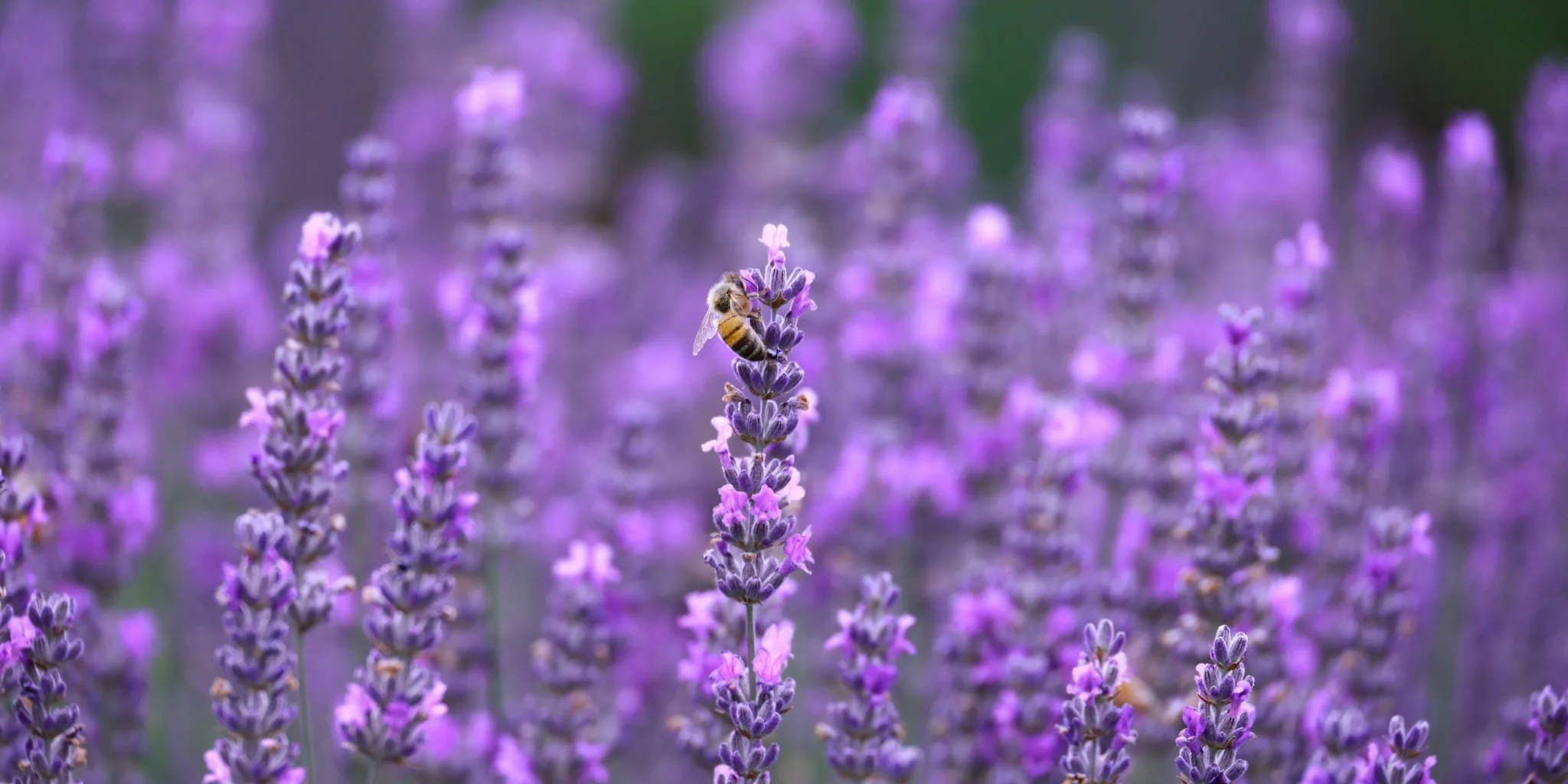

If you’ve dreamed of turning a sunny spot in your garden into a fragrant, pollinator-friendly lavender haven, the most important step is choosing the right variety for your climate. Most gardeners don’t realize that selecting a lavender suited to your specific USDA hardiness zone makes the difference between a thriving plant that beautifies your yard for years and one that struggles through a single season before fading.
Matching your plant purchase to your zone is far more precise than relying on generic hardiness tags. Different lavender varieties have been bred to thrive in distinct climate conditions, from the bitter cold of northern regions to the intense heat and humidity of southern zones. Understanding which cultivar works best where you live helps you avoid costly mistakes and ensures you get the color, fragrance and bloom longevity you’re paying for.
Lavender for Cold Climates: Zones 1 Through 5
If you live in zones 1 through 3, traditional ground-planted lavender won’t survive winter. Your best option is Munstead, a compact English lavender with soft blue-purple flowers and a lovely culinary scent. Grow it in a container in your sunniest location and move it to a frost-free indoor space when temperatures drop. This variety blooms early in summer, maximizing flowers during short growing seasons, and the edible blooms dry beautifully for winter enjoyment.
For zone 4 gardeners, Phenomenal is the standout choice. This hybrid lavender tolerates extreme cold down to negative 20 degrees Fahrenheit, summer heat, and even moderate humidity. Plant it in the driest, sunniest spot you have, such as a raised bed or gravel garden, and it will thrive where other varieties fail. Its tall purple flower stems make excellent cut flowers, dried bunches and homemade sachets.
Zone 5 gardeners should seek out Exceptional, a white-flowering variety with silvery foliage that creates a striking, unexpected appearance. This hybrid combines cold hardiness with a long flowering season and integrates beautifully into mixed borders alongside pink roses or blue salvia.
Transition Zones: Finding Your Match in Zones 6 Through 7
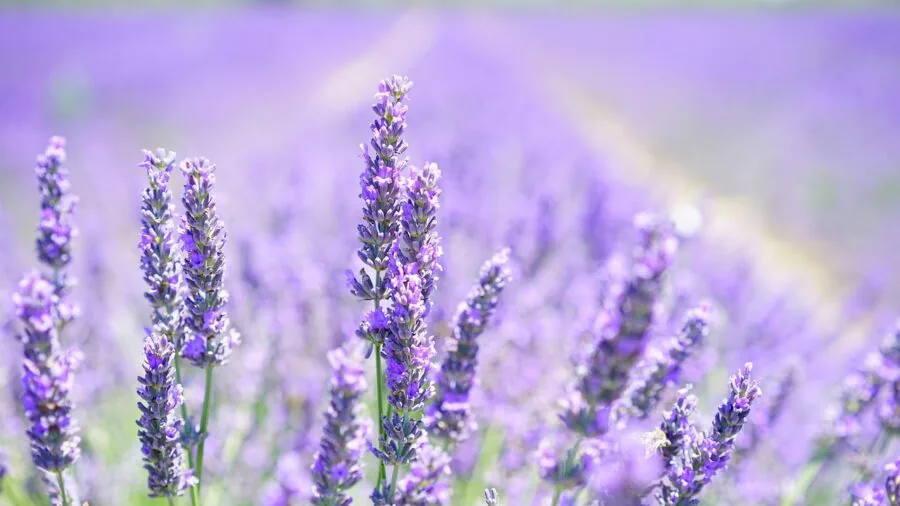
Zone 6 is ideal for Big Time Blue, an English lavender with impressively large, deep violet-blue flower spikes. Winter cold satisfies English lavender’s need for dormancy while summer warmth produces plump, fragrant blooms perfect for edging walkways and patios. The compact cushions of blooms attract pollinators all season long.
Zone 7 gardeners should consider Provence, a tall French-country-style hybrid with long flower wands and strong fragrance. This variety produces exceptionally long flower stems when given extended summer heat, making it perfect for cutting, drying and creating a romantic garden aesthetic.
Warm Climate Winners: Zones 8 Through 11
Goodwin Creek Grey is the standout choice for zone 8, where heat and humidity regularly challenge standard English lavenders. Its large, silvery-grey evergreen foliage adds year-round texture, and the dark violet-blue flowers bloom continuously from May through October because this sterile hybrid doesn’t expend energy on seed production. Even summer temperatures exceeding 90 degrees Fahrenheit won’t faze this reliable plant.
For zone 9, Sensational delivers dark-purple flowers on sturdy spikes that won’t flop in rain or wind. Its sharper, fresher fragrance suits hot days perfectly, and its improved heat and humidity tolerance outperforms fussier English types. Heat waves and plants require careful selection, and this hybrid is built to handle extended high temperatures.
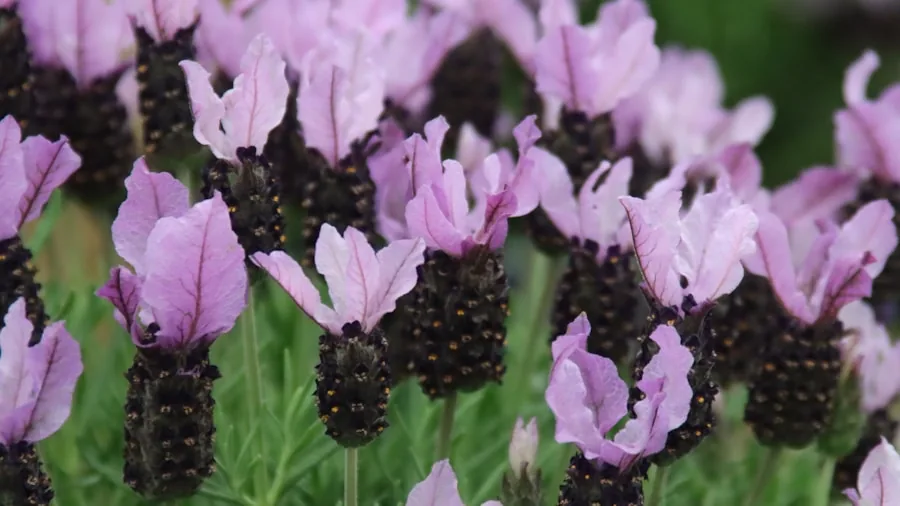
Zone 10 opens doors to The Princess, a Spanish lavender with theatrical bright pink flower heads and showy pink bracts. In frost-free climates, it blooms from spring through fall, creating a stunning focal point in containers or courtyard plantings.
Tropical zone gardeners (zones 11 through 13) should turn to French lavender, which features finely toothed leaves and nearly year-round blooms even during intense heat. While other lavenders struggle with humidity and rain, this warm-climate charmer adapts beautifully when given excellent air circulation and protection from heavy downpours.
Universal Success Secrets for Every Zone
Regardless of which variety matches your zone, lavender demands certain growing conditions. Plant care fundamentals like proper drainage and sunlight apply across all climate zones. Ensure your plants receive at least six hours of direct sun daily. Well-draining, gritty soil is non-negotiable; if your soil tends toward clay or stays wet, plant in raised beds or containers filled with fast-draining potting mix.
Gravel mulch around lavender plants improves drainage and airflow while suppressing weeds. Avoid rich compost and heavy fertilizing, which encourage soft, floppy growth at the expense of flowers. Water new plants regularly during their first season, then let established lavender dry between waterings. Purple plants have specific light requirements that apply to many lavender varieties.
Finally, prune lavender immediately after flowering and again in early spring, but never cut into old leafless wood. With the right variety matched to your zone and these fundamental care practices, your lavender investment will reward you with fragrance, color and pollinator activity for years to come.


Write Your Review
No reviews yet. Be the first to share your experience!