
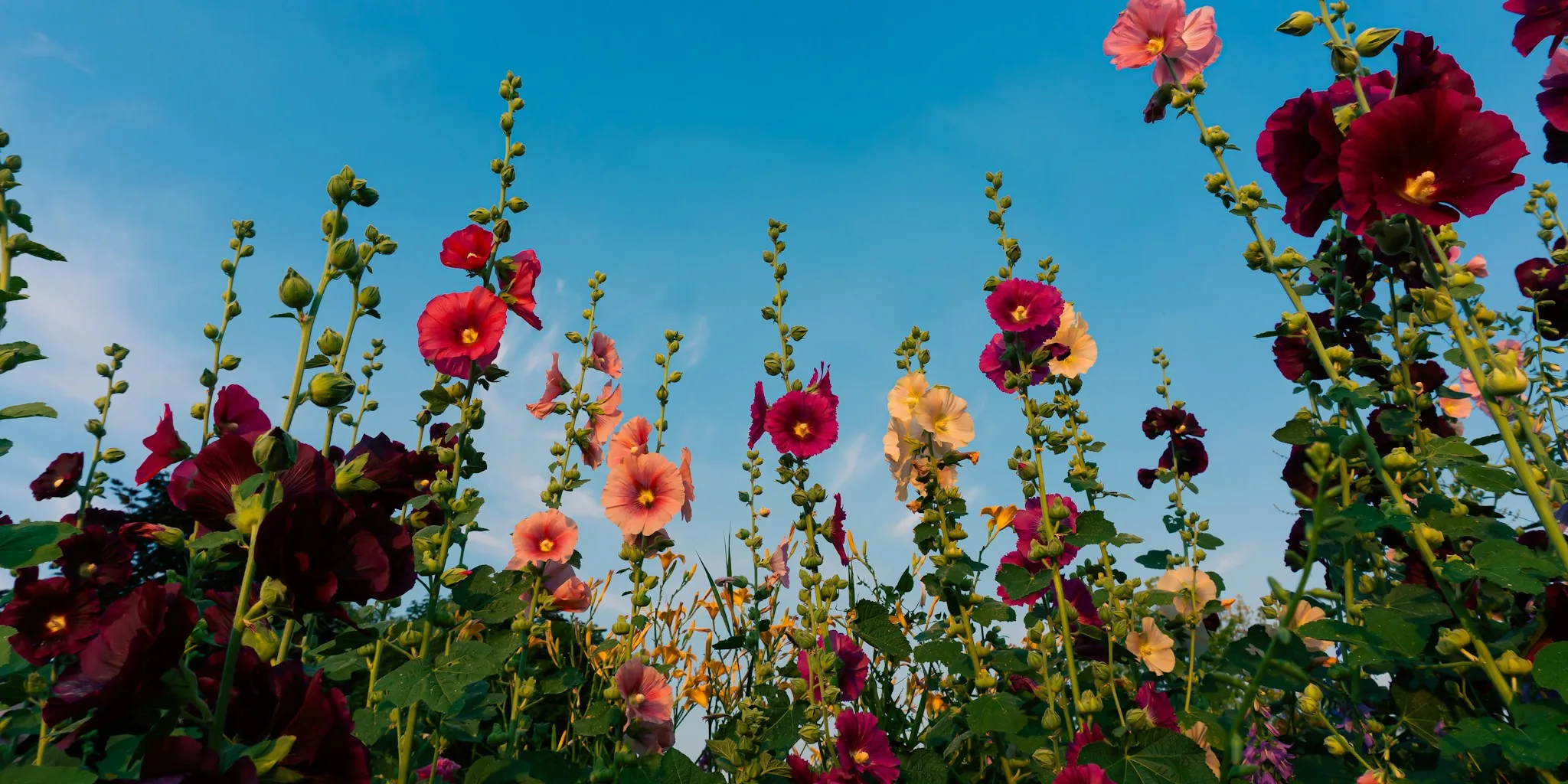

This summer, extreme heat and drought have stressed many garden plants, even those marketed as resilient. But five standout flowers are proving they can handle the intensity, and if you’re tired of replacing struggling perennials, these tough performers deserve a spot in your garden. Understanding which plants thrive during heat waves helps you build a lower-maintenance landscape that requires less watering and fewer replacement purchases.
Why Heat-Stressed Plants Matter to Gardeners
During prolonged dry spells and record temperatures, popular border bloomers often fail to perform or disappear entirely. Hydrangeas and many traditional ornamental plants become increasingly needy, demanding constant irrigation just to survive. This means higher water bills, more labor, and disappointment when your garden looks brown by mid-summer. By switching to genuinely drought-tolerant varieties, you reduce maintenance costs and improve your chances of having colorful blooms when you need them most.
Agapanthus: The African Lily Champion
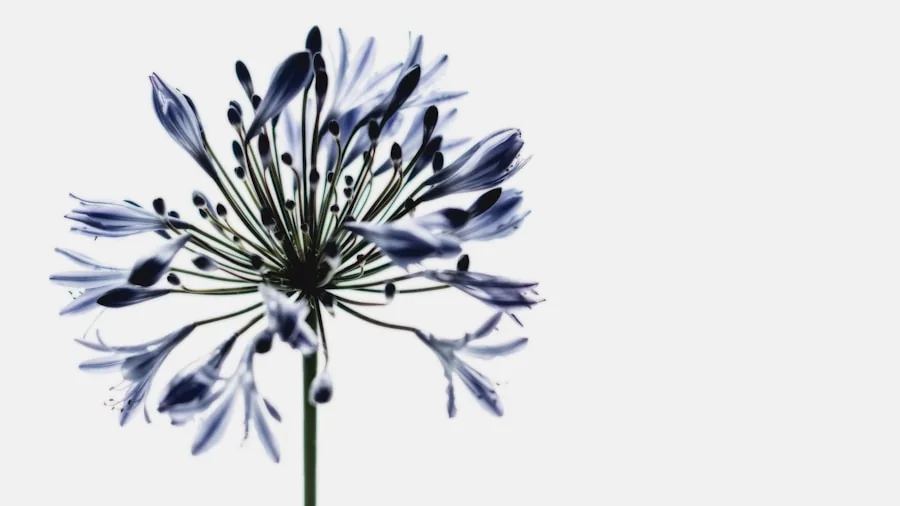
Native to South Africa, agapanthus (also called lily of the Nile) thrives in extreme heat where other perennials wilt. These plants produce an abundance of blue, purple, or white flowers from June through August, even in the most challenging conditions. Hardy to zone 8 and suitable down to zone 6 with winter protection, agapanthus grows beautifully in containers, raised beds, or garden borders.
The key to success is excellent drainage. Mix coarse grit, sand, or poultry sand into your soil before planting. Agapanthus appreciates a constricted root space, which actually promotes more prolific flowering. Late summer is an ideal buying window, as retailers often discount young plants and multi-packs when the main blooming season winds down in August. Plant now to establish strong roots before winter, and expect abundant flowers next summer.
Gaura and English Shrub Roses: Unexpected Winners
Gaura, recently reclassified botanically as Oenothera, performs brilliantly during heat waves thanks to its deep tap roots that reach moisture others cannot access. Varieties like ‘Whirling Butterflies’ bloom continuously from June into November without deadheading, producing hundreds of delicate white flowers on wiry stems. ‘Siskiyou Pink’ offers the same low-maintenance performance in a deeper shade. These plants thrive in zones 5-9 and ask for minimal care once established.
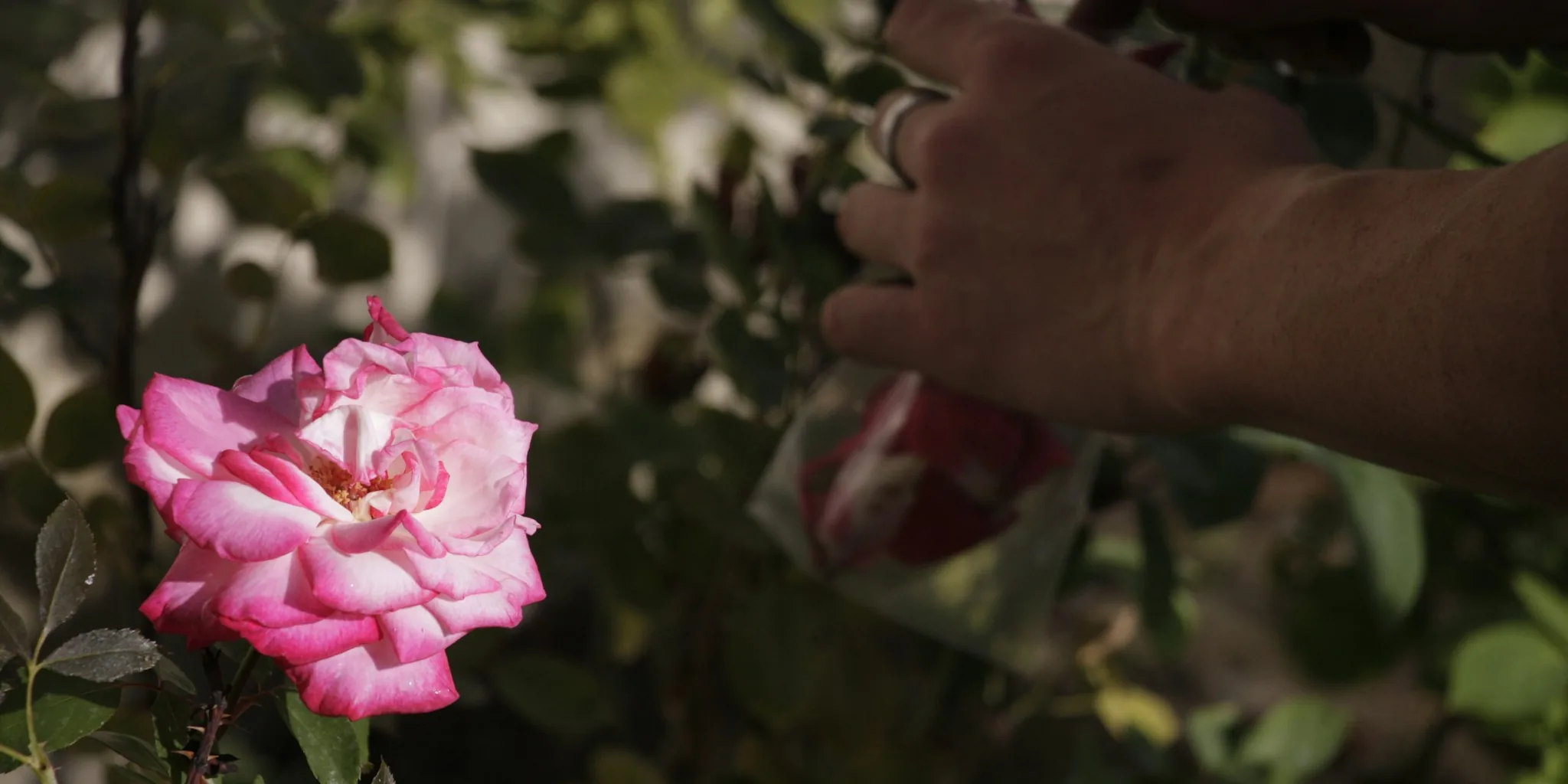
Modern English Shrub roses have surprised many gardeners this summer with their resilience. Newer reblooming hybrids, particularly those like Desdemona, outperform older rose varieties by handling both heat and drought without scorched leaves or dropped blooms. Breeders have intentionally incorporated genetics from wild roses native to dry regions, making these shrub roses far more durable than their predecessors. Pre-order now for fall planting, as demand for heat-tolerant roses is expected to surge once gardeners see how well they’ve performed during tough conditions.
Echinacea and Scabiosa: Pollinator Favorites
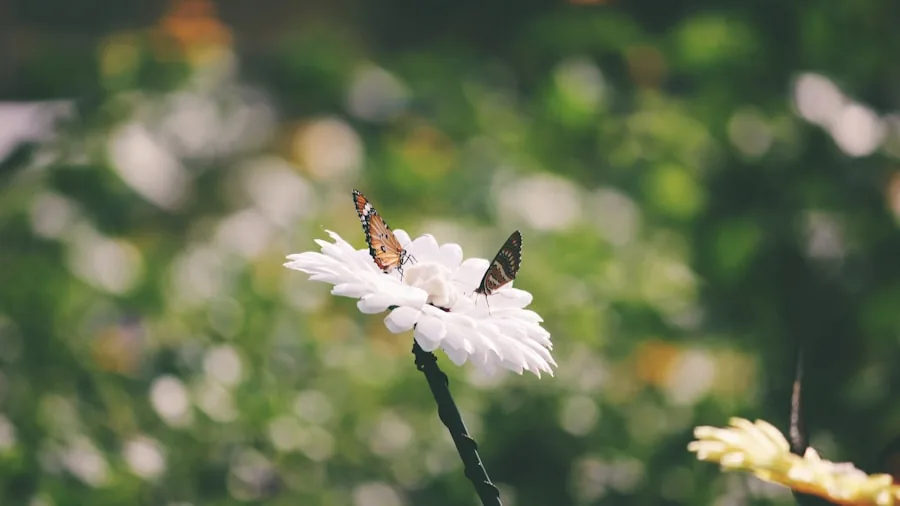
Echinacea (coneflower) develops either a deep taproot or extensive fibrous root system, allowing in-ground plants to find water where container specimens struggle. Echinacea pallida, native to North American tallgrass prairies, tolerates anything from zones 3-10. The variety ‘Cheyenne Spirit’ produces mixed-color flowers ranging from white through yellow, orange, and red to pink and purple, thriving in zones 4-9. Both types continue flowering through the hottest months while attracting pollinators that overlook less hardy competitors.
Scabiosa produces pinchusion-shaped flowers beloved by bees and butterflies, and hardy perennials that require minimal water investment pay dividends season after season. ‘Butterfly Blue’ delivers lavender-blue blooms all summer in zones 3-9, while ‘Fama White’ offers even greater heat tolerance with larger 3-inch flowers in zones 4-10. Deadheading spent blooms encourages continuous flowering until frost, and a simple thumb knife makes the task easy enough to do during your morning coffee break. When you consider the cost of water and replacement plants, investing in naturally resilient specimens becomes a smart financial choice.
Planting Strategy and Timing
August and early September offer ideal conditions for establishing new plants before winter. While these perennials eventually become drought-tolerant, newly planted specimens need consistent moisture as their root systems develop. Plan to plant now so roots establish through fall, creating a strong foundation for next year’s performance. Many varieties are currently available from online retailers and local garden centers, often at end-of-season pricing that makes upgrading your garden more affordable.
If your current garden relies heavily on frequent watering or includes plants that struggle every hot season, replacing thirsty specimens with proven heat performers makes both environmental and economic sense. These five flowers represent an investment in a lower-maintenance garden that delivers reliable color and attracts pollinators, even when summer turns brutal.





Write Your Review
No reviews yet. Be the first to share your experience!