

Summer travel plans don’t have to mean coming home to dead houseplants. If you’re planning a vacation or simply want greenery that doesn’t demand constant attention, you have plenty of excellent options. Many popular indoor plants actually thrive on neglect, making them ideal for anyone with an unpredictable schedule or frequent trips away from home.
Why Plant Selection Matters for Travelers
Not all houseplants are created equal when it comes to handling dry spells. Some varieties can only survive a few days without water, while others can go weeks without any attention. The difference comes down to how plants store moisture. Varieties with fleshy leaves, thick stems, or underground water-storage systems are naturally built to handle drought. Understanding these differences helps you choose plants that will genuinely thrive rather than merely survive your time away.
Before you leave on any trip, a little preparation goes a long way. A single thorough watering before departure can set your plant up for success during your absence. For extended vacations lasting several weeks, you might also consider investing in an automated watering system to provide consistent moisture delivery.
Best Low-Water Houseplants for Your Home
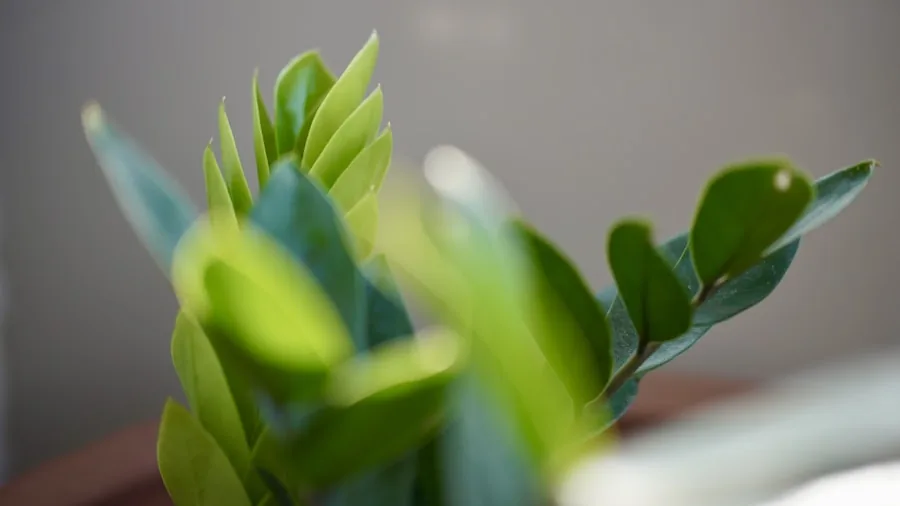
ZZ Plant
The ZZ plant, scientifically known as Zamioculcus zamiifolia, stands out for its glossy, dark green foliage and upright growth habit. Native to drought-prone regions of eastern Africa, this plant has thick underground rhizomes that act as natural water storage. You can comfortably miss several waterings without harming the plant. It also tolerates low-light conditions exceptionally well, making it perfect for various room locations. Give it one good watering before you leave, and it will remain healthy throughout your absence.
Snake Plant
The snake plant, or Dracaena trifasciata, ranks among the toughest houseplants available. Its striking sword-shaped leaves with golden borders add visual interest to any space. The plant’s fleshy foliage stores water efficiently, allowing it to withstand extended dry periods. It also adapts well to low-light environments. One critical tip: overwatering poses more danger to snake plants than underwatering. Before vacation, it’s actually better to leave the soil slightly dry rather than giving it a thorough soak.
Ponytail Palm
The ponytail palm gets its name from the bundle of long, narrow leaves that cascade down like hair. These plants are actually succulents, not true palms, but they create a tropical aesthetic indoors. Native to arid Central America, they feature a distinctive fleshy trunk wider at the base, resembling an elephant’s foot. This unique structure stores substantial water reserves. Your ponytail palm can easily go one to two weeks without watering. Place it in a bright spot before leaving, and only water if the soil is completely dry.
Cast Iron Plant
The cast iron plant earns its name through exceptional toughness and forgiving nature. Originally from Japan and China, this species thrives in fluctuating temperatures and changing light conditions. It tolerates neglected watering schedules and delivers lush, dark green foliage with minimal effort. This makes it ideal for anyone planning extended summer absences. Before traveling, ensure the soil contains some moisture, but avoid heavy soaking. Position it in indirect or dappled light rather than bright direct sun.
Jade Plant
Jade plants represent classic succulent houseplants featuring small, fleshy leaves on woody stems. These remarkable plants thrive in bright light and dry conditions. Water only when the soil has completely dried out, since the leaves themselves hold and store moisture. A surprising benefit: jade plants can live for up to 70 years. Before vacation, water it thoroughly a day or two before departure so you can verify proper drainage and confirm roots aren’t waterlogged. Place it in a bright location during your absence. Overwatering causes far more problems than dry soil for jade plants.
Pothos
Pothos, scientifically called Epipremnum aureum, earns popularity through its ease of care and attractive appearance. This vining plant features glossy, heart-shaped leaves and comes in various shades of green, including variegated options with white patches. While pothos actually prefers regular watering and flourishes on a consistent schedule, it demonstrates remarkable resilience. This plant bounces back quickly after neglect, even if it becomes wilted or drooping. Before traveling, give it a thorough soak and place it away from bright sunlight, which can dry the soil too quickly.
Preparation Tips for Vacation Success
The key to keeping houseplants healthy during your absence is proper preparation beforehand. Developing basic plant care knowledge empowers you to make confident decisions about which varieties suit your lifestyle. Water your selected plants thoroughly before leaving, checking that moisture reaches the root zone. Adjust their placement to reduce water loss through evaporation: move them away from direct sunlight and air vents.
For trips lasting more than two weeks, consider automated solutions. Watering globes, wicking systems, or smart plant waterers eliminate guesswork and ensure consistent hydration. These tools prove especially valuable for travelers concerned about multiple plants.
Choosing tough, forgiving plants that tolerate dry conditions removes the stress from vacation planning. With proper selection and minimal preparation, your indoor garden will thrive whether you’re away for a long weekend or several weeks.


Write Your Review
No reviews yet. Be the first to share your experience!