
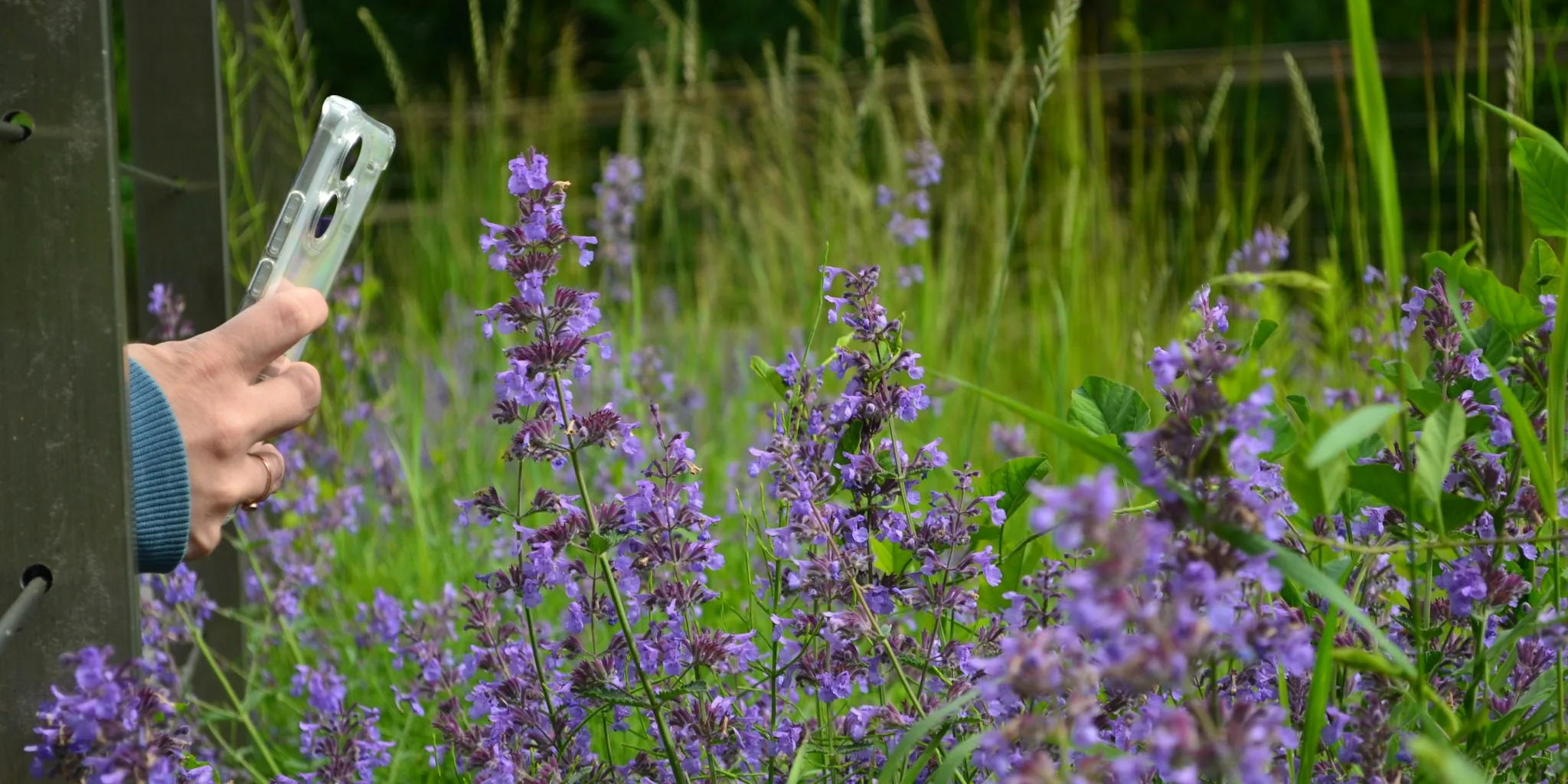

Late summer is the perfect time to trim your lavender, and timing this task correctly can make all the difference in how well your plant endures the cold months ahead. An old gardening rule suggests pruning eight inches from lavender on the eighth day of the eighth month, and while you don’t need to follow this to the exact day, the principle behind it makes real sense. By early August, most lavender varieties have finished flowering, but the soil remains warm enough to support fresh growth. This combination creates ideal conditions for helping your plant build the dense foliage it needs to stay healthy through winter.
Gardeners who prune their lavender at the right time give their plants a significant advantage when temperatures drop. The fresh growth that emerges after pruning hardens off before the first frost, creating a protective evergreen layer that insulates the plant throughout the colder season. This means come spring, your lavender will be stronger and more vigorous, ready to produce abundant blooms the following summer. For shoppers looking to keep their lavender thriving year after year, this simple late-summer maintenance task is essential knowledge.
When and How to Prune Your Lavender
The exact timing for pruning depends on your specific variety and location, but you’re looking for the moment when flower spikes have faded and begun to dry out. Rather than measuring exactly eight inches or following a rigid calendar date, focus on the plant itself. Examine your lavender closely and you’ll notice a clear layer of fresh, silvery-green foliage sitting above the older, brown woody stems. This boundary line is your guide: this is where you should make your cuts.
Use a pair of sharp bypass pruning shears to remove the spent flower stalks along with roughly an inch of foliage below them. Sharp tools are crucial because clean cuts heal faster, allowing your plant to redirect its energy toward producing new growth rather than recovering from damage. If your pruning shears have gotten dull, take two minutes to sharpen them before you start. Once you’ve removed all the dead flowers, take a moment to consider the shape you want your plant to have. Some gardeners prefer a dome shape, others want a more angular form for hedge applications. The key rule: avoid cutting into the woody stems, as they typically won’t regrow new shoots.
Shape and Water for Best Results
After you’ve finished cutting, water your lavender thoroughly. Pruning stresses any plant, and watering immediately afterward helps it recover quickly and resume growing. This simple step ensures your freshly pruned lavender can focus on developing that protective winter coat of foliage.
Beyond survival, pruning in late summer creates other benefits for your plant. You’ll end up with a more compact, bushier form that produces a denser flower display the following year. A neatly shaped silver-leaved dome looks attractive throughout fall, winter, and spring, adding structure to your garden even when most plants are dormant. This approach also helps you avoid the biggest mistake lavender growers make: cutting into old wood during late fall or winter when the plant is vulnerable.
Capture Your Lavender’s Fragrance
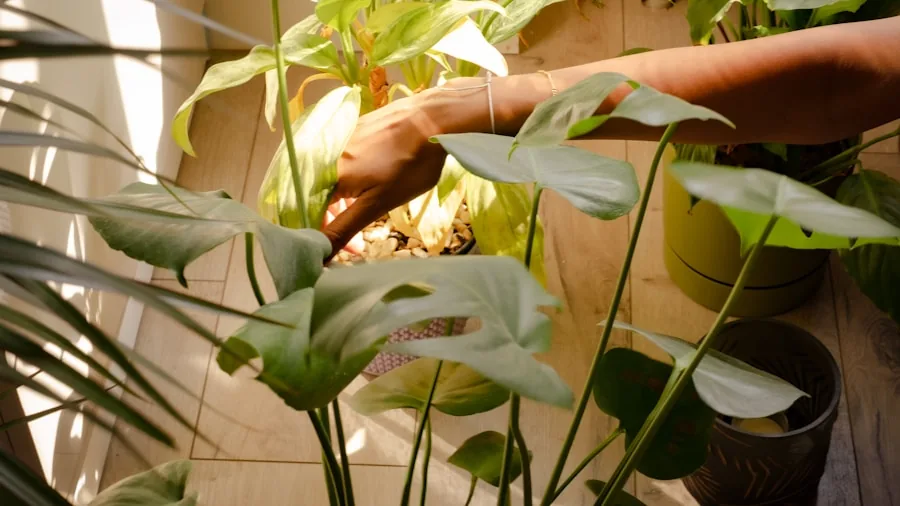
Here’s a bonus reward for your pruning work: you can create dried lavender bundles to scent your home. Before you make your cuts, tie a ribbon tightly around several stems. When you trim those stems as part of your normal pruning, you’ll have ready-made dried lavender to hang indoors. You can keep the leaves on the stems for a sharper, more resinous fragrance ideal for bathrooms, or strip the foliage for a sweeter, more calming aroma perfect for bedrooms. Either way, those fragrant bundles will remind you all winter of the abundant blooms you can expect next summer.
For gardeners interested in expanding their collection, propagating free plants in August is another worthwhile project that uses similar techniques. If you’re building a landscape designed to handle tough conditions, understanding which plants survived extensive drought periods can guide your choices.
Better Lavender Varieties for Harsh Conditions
If you’re shopping for new lavender plants, several newer hybrid varieties offer improved cold and heat tolerance compared to older types. Lavandula x intermedia ‘Phenomenal’ is one of the hardiest options available, handling both cold winters and hot summers in zones 5 through 9. The variety ‘Sensational’ reblooms repeatedly from May through September and tolerates humidity far better than traditional lavenders. For gardeners who want something different, ‘Exceptional’ produces stunning white flowers against narrow silvery foliage and thrives in the same hardiness zones.
Taking just ten minutes in early August to prune your lavender is an easy weekend project with real rewards. Your plant will be healthier, more attractive, more floriferous next year, and you’ll have fragrant dried flowers to enjoy indoors. For those serious about maintaining resilient gardens, understanding how to keep plants alive through challenging seasons builds confidence and self-sufficiency. This simple task checks all those boxes.





Write Your Review
No reviews yet. Be the first to share your experience!