


A professional trainer with nearly 14 years of experience working with high-profile clients recently shared a framework for building comprehensive muscle strength that goes beyond typical gym trends. Her approach emphasizes intuitive training that aligns with individual needs rather than following viral fitness fads. Here’s what you need to know about the five strength exercises making waves in the fitness community and why they matter for your own workout plan.
The Philosophy Behind Effective Strength Training
The trainer’s methodology prioritizes feeling over performance, focusing on movements that support stability, mobility, and functional strength. Rather than chasing the latest algorithm-driven fitness trend, this approach encourages listeners to understand their bodies’ unique requirements and preferences. The philosophy centers on the idea that sustainable fitness comes from finding movements that feel nurturing and challenging at the same time.
Key to this mindset is pairing enjoyable workouts with necessary harder sessions. When you choose exercises that genuinely align with your fitness preferences, you’re more likely to stay consistent and push through the demanding parts of any training program. This balanced perspective has proven effective for clients across all fitness levels.
The Five Essential Strength Building Exercises
Hip Thrusts rank as a foundational glute-strengthening movement that can be modified endlessly. Variations range from bodyweight versions to barbell, single-leg, and elevated progressions. The key is proper form, with your knee stacked directly over your ankle at the top of the movement. Many exercisers benefit from using a mirror to check alignment and ensure you’re not compensating with lower back arch or rib flare.
Cable Face Pulls target your upper back while improving posture, making them essential for anyone spending extended time at a desk. This exercise involves pulling a rope attachment toward your face with elbows flaring at shoulder height. The real magic happens when you slow down the movement and hold the peak contraction for one to two seconds, which amplifies core engagement and strengthens the posterior chain.
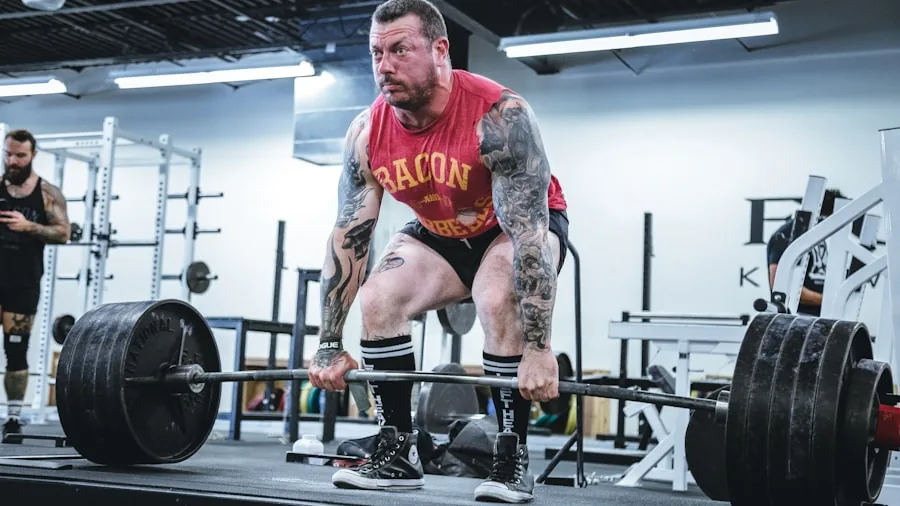
Deadlifts light up your entire posterior chain, engaging glutes, hamstrings, and core simultaneously. Whether you choose kettlebell, dumbbell, or barbell variations, deadlifts build both lower body and core strength in one movement. Romanian deadlifts and split-stance variations offer accessible modifications for beginners. For those struggling with the hip hinge pattern, resistance band work can help you find the correct positioning before adding external weight.
Triceps Extensions work effectively as a finisher exercise, particularly when performed for higher repetitions with moderate weight. The overhead dumbbell variation requires maintaining tight elbows and a slight forward torso angle to isolate the triceps rather than recruiting your shoulders and upper back.
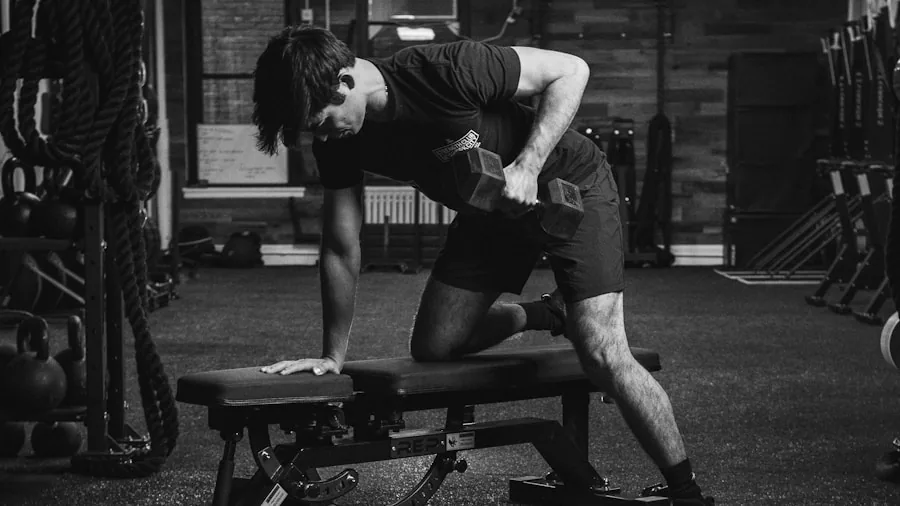
High Plank Single Arm Rows demand significant stability and core engagement, making lighter weight feel surprisingly challenging. This movement works your entire body while building anti-rotation strength. Beginners should elevate one hand on a bench or block, while advanced exercisers can perform the variation with cable resistance.
Supporting Your Strength Training Success
Beyond the five main exercises, several training principles maximize results. One fundamental rule is avoiding fasted training, even before morning sessions. Consuming a small amount of carbohydrates and protein beforehand provides energy for more productive workouts. As noted in discussions of sustainable strength training approaches, proper fueling sets the foundation for long-term progress.
Preparation matters enormously. Dedicating 5 to 10 minutes to foam rolling and activation exercises before your main training improves mobility and enhances muscle connection throughout your workout. This warm-up phase isn’t something to skip if you want consistent results and injury prevention.
Recovery work deserves equal attention to strength training itself. Adding 15 to 20 minutes of walking or stair climbing after your lifting session can support both fat loss and recovery, plus it provides mental benefits. Many people find that breaking daily movement into smaller 10-minute walks following meals offers superior blood sugar stability and digestive benefits compared to hitting one large step goal in a single session.
Why This Approach Works for Real People
The combination of functional strength work, intuitive exercise selection, and proper recovery protocols creates a sustainable system that actually feels good to follow. Rather than forcing yourself through random exercises because they’re trending, this framework asks you to identify movements that challenge you while feeling authentically aligned with your body’s needs.
Whether you’re new to strength training or returning after time away, these five exercises and supporting principles offer a proven foundation. Starting with proper form before adding weight, listening to your body’s feedback, and building in recovery work ensures that your fitness investment pays consistent dividends. As with any comprehensive training program, the goal is creating habits that enhance your life rather than dominate it.






Write Your Review
No reviews yet. Be the first to share your experience!