


Beach Running for Fitness: What Shoppers Should Know About Sand Training
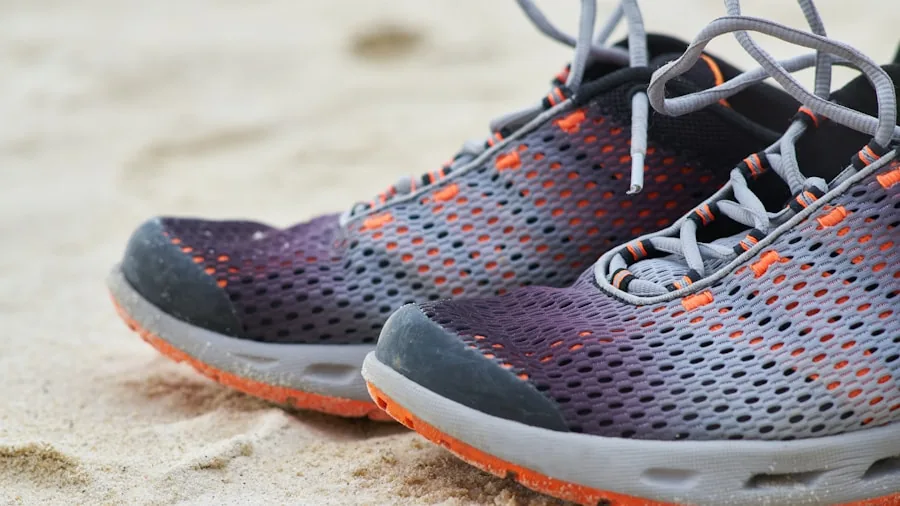
Summer vacation brings opportunities that your regular pavement routes cannot offer, and beach running stands out as one of the most rewarding seasonal fitness options. More than just a scenic change of pace, training on sand delivers measurable strength and endurance improvements that go beyond what you experience on standard running surfaces. Understanding the benefits, risks, and best practices can help you make the most of your time on the shore while staying injury-free.
Why Sand Training Demands More from Your Body
When your feet strike soft sand, your muscles work substantially harder than on pavement or grass. Research shows that running on sand requires at least 1.6 times more energy expenditure compared to firmer ground. This increased demand comes because sand absorbs far more elastic energy during each step, forcing your muscles to generate greater force to propel you forward. While firm, packed sand near the waterline offers some benefits, soft, loose sand delivers the most significant fitness gains.
The strength benefits are particularly impressive. Your hip and knee stabilizing muscles work nearly twice as hard on sand, which elevates your heart rate and blood lactate threshold without requiring you to run faster or cover greater distances. This means you achieve a more challenging cardiovascular stimulus in the same timeframe as road running. Additionally, your body naturally adjusts its mechanics on unstable sand, adopting angles around the hip, knee, and ankle that mimic faster running speeds on solid ground, potentially improving your overall speed over time.
Impact Forces and Injury Considerations
Sand absorbs shock far more effectively than pavement or grass. Soft sand produces nearly four times less impact force than firmer surfaces, which explains why some runners experience reduced muscle damage when training on the beach. This lower-impact environment may help reduce the risk of tibial bone stress injuries. A comparative study found that athletes who trained on sand for eight weeks showed significantly greater increases in aerobic capacity compared to those training on grass, despite the greater physical demand required on sand.
However, the softer surface introduces different injury risks. The unstable, constantly shifting ground beneath your feet increases the likelihood of ankle sprains and tendon injuries. Uneven beach terrain, combined with the slope created by tidal patterns, can stress your knees and hips if you consistently run in the same direction. This is why running both directions during beach sessions proves essential for balanced development. If you experience any knee or hip discomfort, returning to level trails or roads allows your joints time to recover.
Essential Tips for Beach Running Safety
Patience is crucial when beginning beach training. Give your body at least two weeks to adapt before increasing time and intensity. Always warm up thoroughly, paying special attention to your calves, hamstrings, and glutes, which work significantly harder on sand. Start conservatively: run slower than you think necessary, and prioritize time spent on the sand rather than distance covered, since the effort is substantially greater.
Timing matters significantly. Plan your runs around low tide, when sand becomes firmer and more level. Most beach communities publish daily tide charts in local newspapers and online resources. Running an hour or two around the lowest tide point and staying near the water’s edge provides the most forgiving surface. Even at low tide, subtle sloping exists, so alternating which direction you run protects both legs from uneven stress.
Footwear and Practical Gear
Barefoot beach running sounds appealing but carries real risks. Your shoes provide ankle stabilization and arch support that your feet have adapted to over years of road running. They also protect against shells, rocks, and hidden sharp objects in the sand. If you prefer a lighter option, minimalist shoes offer a thin rubber sole for protection while allowing more ground feel. However, ease into minimalist footwear gradually if you haven’t worn them regularly.
For longer beach sessions, wear moisture-wicking socks designed to prevent blisters, and apply lubricants like BodyGlide if chafing becomes an issue. Sun protection is equally important: apply high-SPF sunscreen regularly since water and sand reflect harmful rays intensely. Sunglasses and a hat or visor keep you comfortable and help you maintain focus throughout your run. While approaches to fitness training vary widely, understanding different fitness methods can enhance how you plan your seasonal beach workouts.
Structuring Your Beach Running Workouts
Your beach running strategy depends on your overall fitness goals. If you’re preparing for a road race, avoid intense speed work on sand. Instead, use the beach for long, slow runs during non-critical training phases. The energy cost difference between sand and solid surfaces is greatest at slower speeds because you maintain longer contact with the ground during each foot strike. This makes sand ideal for building aerobic capacity without the impact stress of faster work.
Beginners don’t need to commit to full beach runs. A practical approach involves completing your standard pavement run, then finishing with a series of strides on the sand to progressively build strength and adaptation. This method reduces soreness while delivering measurable benefits. Research confirms that athletes who trained on sand experienced roughly 10 percent less muscle soreness than those on grass despite the greater effort required, suggesting that sand’s shock absorption provides real recovery advantages.
Whether you’re exploring treadmill fitness during other seasons or taking advantage of seasonal beach opportunities, varying your training surfaces strengthens your body differently and prevents plateaus. Beach running offers a unique stimulus that pavement alone cannot deliver, making it a valuable seasonal fitness tool for any dedicated runner.






Write Your Review
No reviews yet. Be the first to share your experience!