


Apple has officially moved the 15-inch MacBook Pro from 2018 into its obsolete products category, joining the iPhone X in losing official hardware support. This classification change marks a significant milestone for devices that once represented the cutting edge of Apple technology, and it carries real implications for anyone still using one of these machines.
What Obsolete Status Actually Means
When Apple designates a product as obsolete rather than vintage, the company stops providing hardware repairs through its service channels. Authorized service providers can no longer order replacement parts from Apple, making repairs considerably more difficult to obtain. The 13-inch variant of the same MacBook Pro model reached obsolete status back in 2024, and now the larger version follows suit.
It is crucial to understand that obsolete does not mean broken. Your 2018 MacBook Pro will continue to function normally if it is currently working. The classification primarily affects what happens when hardware fails and you need professional assistance. Apple typically moves products to obsolete status more than seven years after discontinuing sales, though the exact timing remains at Apple’s discretion.
Software Support Has Already Stalled
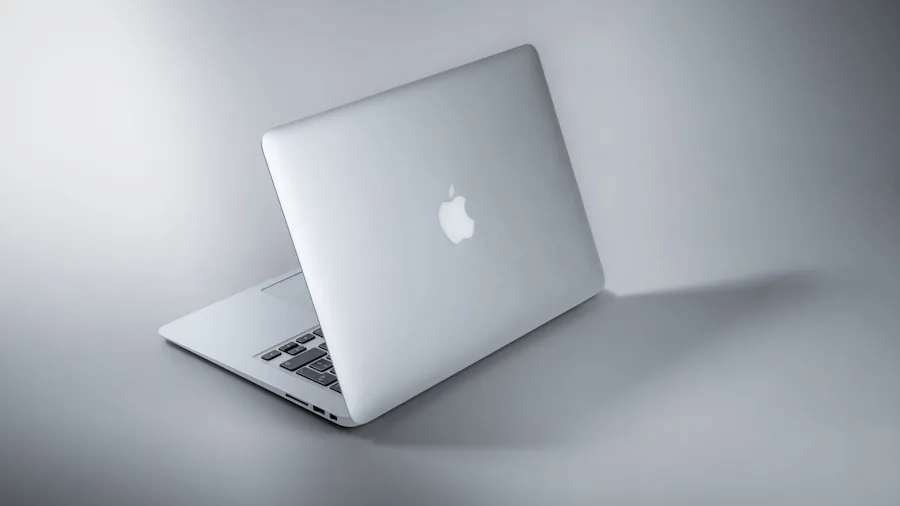
The software situation for the 2018 MacBook Pro is already well-defined. The machine maxes out at macOS Sequoia, with version 15.7.7 representing the final update available for this model. This means no access to future macOS releases and their associated features, security patches may eventually become less frequent, and newer applications may eventually drop compatibility.
Users should not expect dramatic performance changes immediately. The machine will continue running existing software and handling typical tasks. However, as time passes and the software ecosystem moves forward, some newer applications and features will become unavailable.
When Repair Becomes Problematic

The real concern emerges when hardware fails. A degraded battery, cracked display, or malfunctioning component now becomes significantly harder to repair through official Apple channels. While Apple notes that it may sometimes extend service for products up to 10 years depending on parts availability, owners should not rely on this as a guarantee.
Third-party repair shops and independent technicians may still be able to help, but this typically costs more and carries different warranty terms than Apple’s official service. For anyone whose 2018 MacBook Pro still works well, there is no immediate pressure to replace it simply because of this classification change. However, if you have been postponing a repair or noticed battery issues developing, now is the time to address those problems while options remain more accessible.
If you are researching a new machine to replace an aging MacBook Pro, the latest MacBook Air models offer significant upgrades worth knowing about. These newer machines provide substantially better performance, longer battery life, and of course, years of official Apple support ahead.
Practical Steps for Current Users
If your 2018 MacBook Pro is performing well and meets your computing needs, there is no urgent reason to replace it today. Continue using it as normal and enjoy the hardware you have. Keep the machine updated with the latest available macOS version and maintain regular backups.
If you experience hardware problems, reach out to Apple or an authorized service provider immediately rather than waiting. Delaying repairs might limit your options as parts become scarcer. For anyone considering a replacement, there are now more competitive alternatives available in the laptop market that challenge Apple’s traditional dominance in this space.
The move to obsolete status is not a crisis, but rather a realistic acknowledgment that these devices have reached the end of their official support lifecycle. For most owners, life continues unchanged. For those experiencing hardware issues or considering an upgrade, this classification serves as a practical signal that the time for professional maintenance and potential replacement is now rather than later.



Write Your Review
No reviews yet. Be the first to share your experience!