
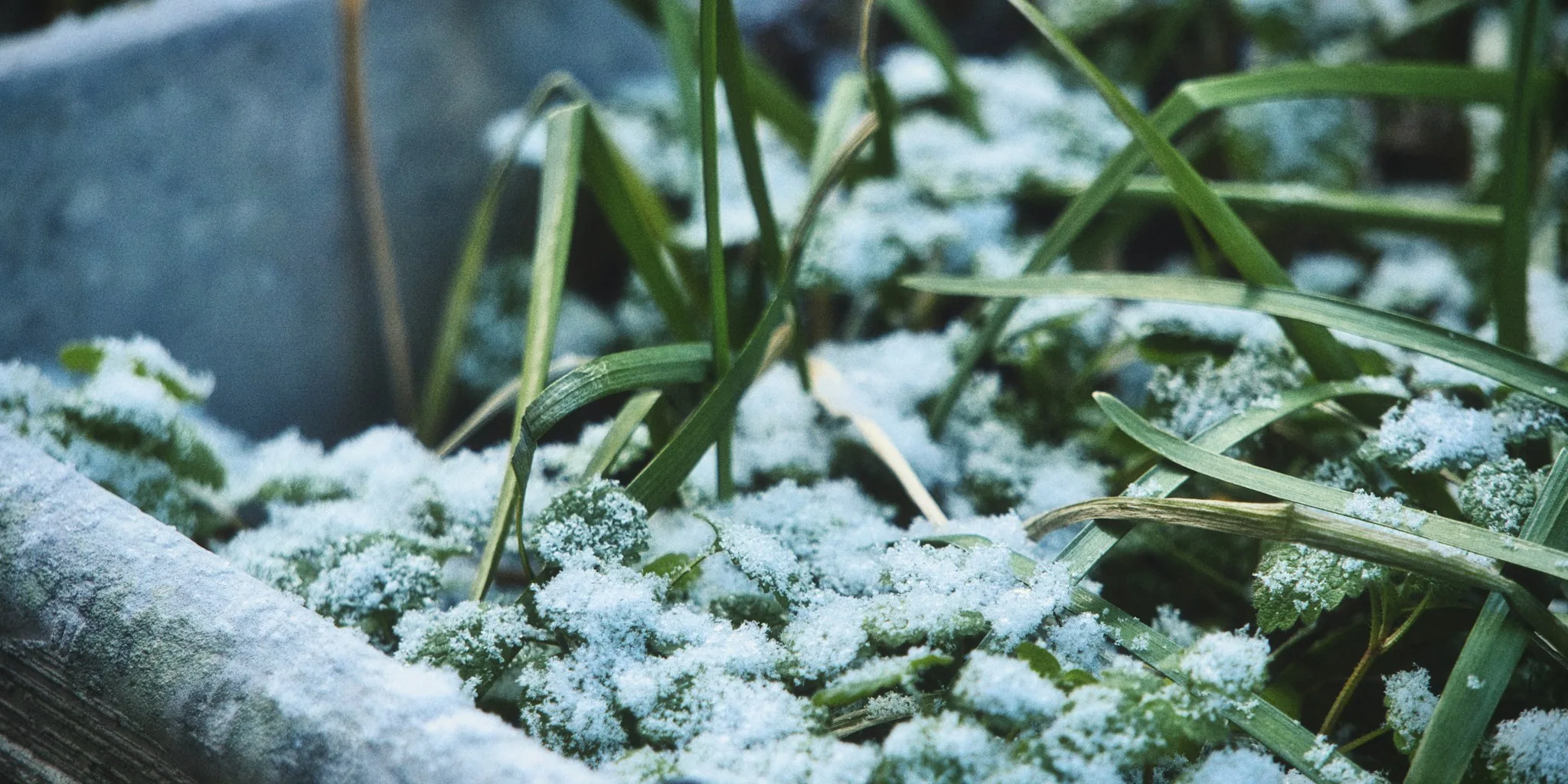

Fall harvest season brings a major gardening question: what do you do with empty vegetable beds through winter? If you leave them bare from October through April, you’re missing a significant opportunity to improve your soil and prepare for next year. Winter cover cropping is an inexpensive solution that addresses soil compaction, nutrient loss, and weed pressure all at once. Understanding your options helps you choose the right plant for what you grew and what your beds need most.
Why Cover Crops Matter for Winter Beds
When heavy rain and freeze-thaw cycles hit bare soil through the cold months, the surface becomes compacted and nutrients wash away before spring planting begins. A living cover crop prevents this damage by keeping roots active underground, feeding soil microbes, and adding organic matter when you turn it in come spring. Different plants do different jobs, so matching the crop to what you harvested matters more than picking whatever seed you find at the store.
Six Options for Fall and Winter Planting
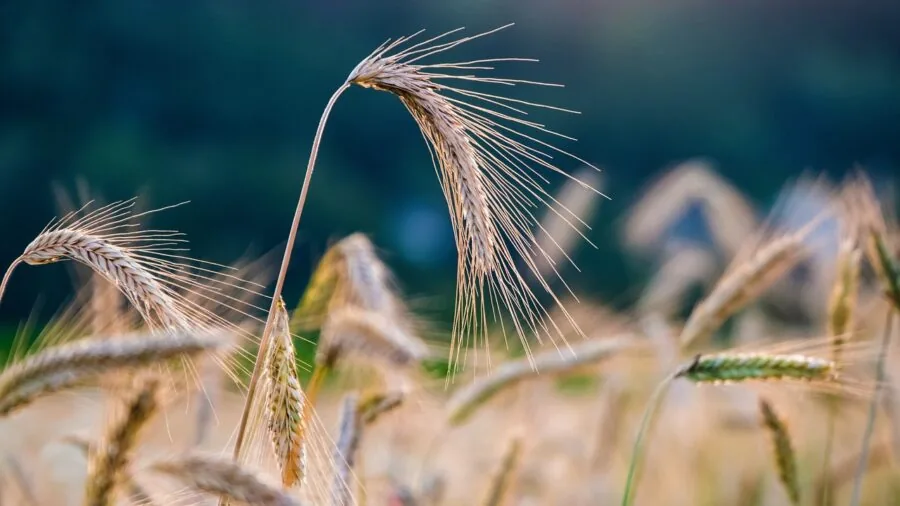
Winter Rye
If your peppers or tomatoes hang on into October, winter rye germinates in soil as cool as 34°F, giving you extra weeks to plant after frost would eliminate other options. Its dense fibrous root system holds loose beds together through freeze-thaw cycles and works through zone 3. A useful bonus: rye releases compounds that suppress small-seeded weeds, though you should wait three to four weeks before planting lettuce or carrots afterward to avoid suppression. Use a steel bow rake to bury seed properly and cut growth low with a sickle before seed heads form.
Crimson Clover
Plant this one six to eight weeks before your first hard freeze so it establishes before winter takes hold. Sown too late, it comes up thin and dies. But given proper timing, crimson clover overwinters through zone 6 and returns 70 to 130 pounds of nitrogen per acre by spring bloom. Sweet corn beds and brassica patches both benefit enormously from this boost. An added bonus: the crimson flowers in spring attract bees when little else is blooming.
Hairy Vetch
On its own, hairy vetch sprawls into a tangled mat that’s difficult to manage, but paired with winter rye it climbs the stems and covers two jobs at once. Plant nitrogen fixation from the vetch combines with structural support from the rye. Tomato beds are the classic choice because research shows better yields and slower foliar disease when tomatoes follow mowed vetch residue. The catch: let it mature and volunteers may appear for years, so terminate at early bloom before it sets seed.
Daikon Radish
This cover plant solves a specific problem: compacted soil. Its taproot drives 10 to 14 inches deep, punching channels through the hardpan that forms under heavy cultivation. Sow six to eight weeks before frost in shallow seed furrows. The plant dies where temperatures near 20°F, leaving the root channels intact for spring planting without needing termination. Skip daikon where you just grew cabbage or kale, since stacking brassicas invites clubroot disease.
Buckwheat
If beds free up in July, buckwheat fills the gap and prevents bare ground through summer. It shades quickly, flowers in 30 to 40 days, and adds visual interest to your planting space while working. This plant releases bound-up phosphorus that becomes available as residue breaks down. Hoverflies and native bees work the blooms heavily. Frost kills buckwheat, so treat it as a summer gap-filler rather than winter cover. Mow at first bloom or cover the stand with a silage tarp for two weeks to smother it.
Lacy Phacelia
Native cover crops get recommended for good reason, and phacelia shines above-ground where soil work is concerned. This Southwest native sits in the top tier of pollen plants for honeybees, offering nutrition when few other plants bloom. Its roots also catch nitrate that would leach away during wet months. Winterkill occurs near 18°F, so most gardeners sow in early fall and let cold handle termination naturally.
Planting Basics for Any Cover Crop
The process stays similar across all options: clear spent plants, scratch the soil surface open, broadcast seed by hand, then rake in and water if rain isn’t forecast. Timing matters more than seed choice. Count backward from your average first frost date to determine when to plant. Even a patch with something green growing in January puts you ahead of bare ground, and every season brings lessons that improve your approach.




Write Your Review
No reviews yet. Be the first to share your experience!