
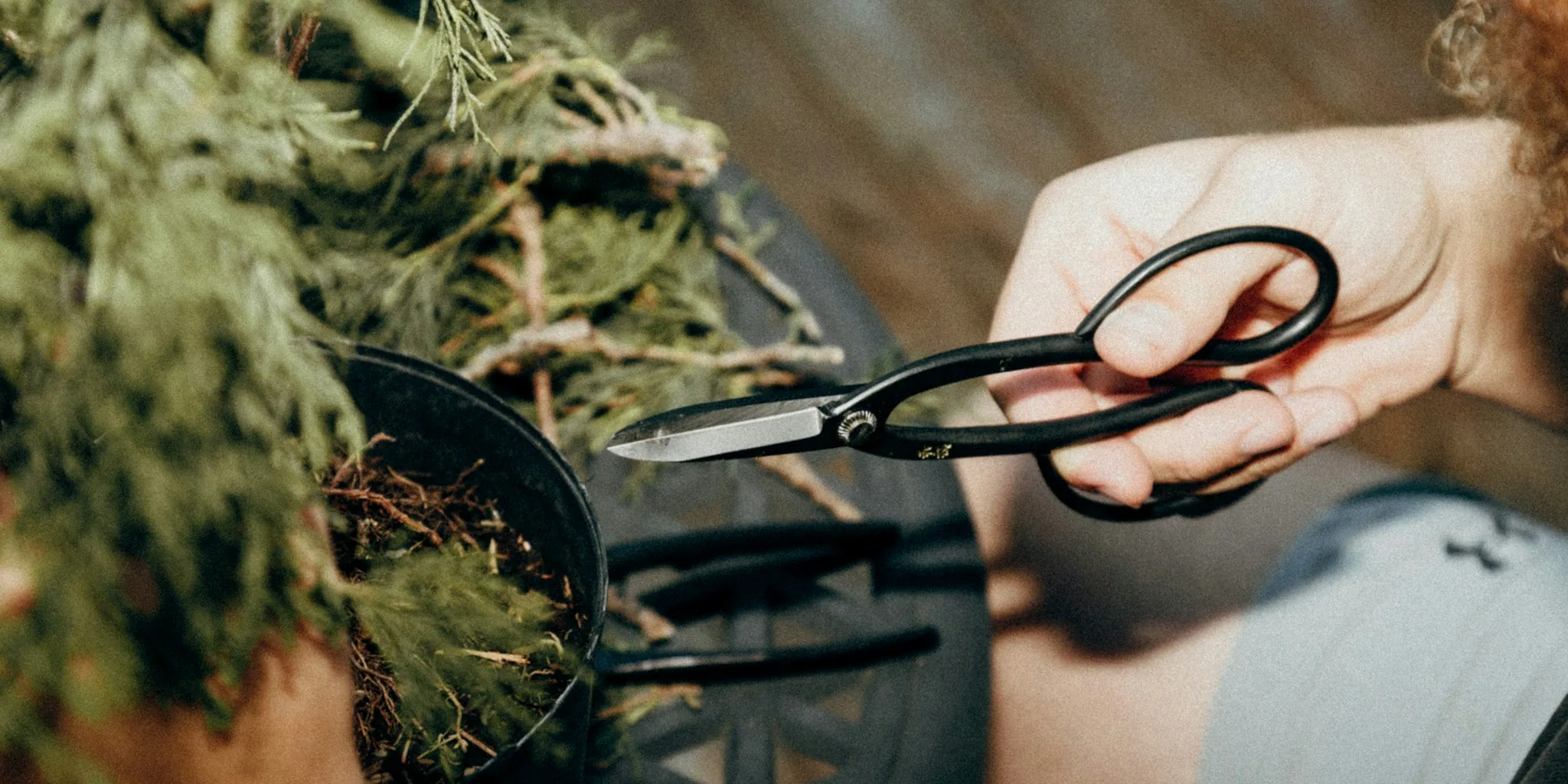

If you have ever thought about clipping a cutting from a beautiful plant at a garden center or public park to propagate at home, stop and read this first. What feels like a harmless gardening shortcut can actually land you in legal trouble, including arrest, fines, and civil lawsuits. Before you root any plant cuttings, you need to understand the laws that protect plant ownership and patent rights.
Ownership Matters More Than You Think
The first question to ask yourself is simple: do you actually own the parent plant? This sounds obvious, but many gardeners unknowingly break the law by taking cuttings from plants that belong to someone else. If you snip a cutting from a retail store display, a neighbor’s garden, public property, or even a botanical garden, you can face criminal charges for theft, trespass, or property damage. The fact that you only took a small cutting does not protect you legally. Store owners and property managers take these violations seriously, and enforcement can be swift.
If the plant belongs to someone else, your only legal path forward is to ask for permission. Many neighbors and small shop owners will happily say yes if you simply ask. But if they decline, you must accept that answer and walk away. Taking a cutting without explicit approval is never worth the risk.
Not All Plants Can Be Propagated From Cuttings

Even if you own the plant outright, not every species will grow successfully from a cutting. Before you invest time and effort, check whether the plant actually propagates from cuttings. Palm trees, conifers like pine and spruce, and most bulb plants such as tulips and daffodils cannot be reliably rooted from cuttings. A quick online search will tell you whether your target plant is even worth attempting. Understanding plant propagation methods helps you care for existing plants too, so knowing what grows from cuttings versus what grows from seed or bulbs is foundational gardening knowledge.
Plant Patents: The Legal Barrier Most Shoppers Miss
Here is where the real legal danger lies. The United States issues patents for new plant varieties, just as it does for invented devices and products. When a horticulturist develops a plant with novel colors, disease resistance, or other unique traits, that person or company can apply for a plant patent with the U.S. Patent and Trademark Office. Once approved, the patent holder has exclusive rights to reproduce that plant for 20 years.
The law is clear: it is illegal for anyone to asexually reproduce a patented plant during the patent period, whether you plan to gift it, sell it, or keep it for yourself. You do not acquire the right to clone the plant simply because you purchased it. Buying a patented plant gives you the right to grow it and enjoy it, but not to propagate it.
Patented plants are labeled with a tag showing a plant patent number, usually formatted as PP followed by numbers (like PP12345). Many tags also include a warning that asexual reproduction is forbidden under patent law. If you see this tag, take it seriously.
What Enforcement Actually Looks Like
The Patent Office does not send inspectors door to door checking home gardens for patent violations. In practice, enforcement is selective and usually reactive. Caring for specialty plants requires attention to their specific needs, and patented varieties often command premium prices for good reason.
The real risk emerges if you commercialize your cuttings. If you root cuttings from an expensive patented plant and sell them online or at a market as clones of the patented variety, the patent holder can sue you for damages. This is not a theoretical threat; companies actively protect their intellectual property.
Once a patented plant loses its original tag or enters the secondary market, it becomes nearly impossible for authorities to prove that a particular plant is a protected clone. This practical reality creates a gray zone, but it does not make propagating patented plants legal.
The Bottom Line for Shoppers
Before you propagate any plant, ask three questions: Do I own this plant? Will it actually grow from cuttings? Does it carry a plant patent tag? If you answer yes to all three, you are on solid legal ground. Choosing the right plants for your garden involves understanding their growth habits and your local climate. If you have any doubt, simply buy a new plant or ask the owner for permission. The cost of a plant is far less than the cost of legal trouble.






Write Your Review
No reviews yet. Be the first to share your experience!