
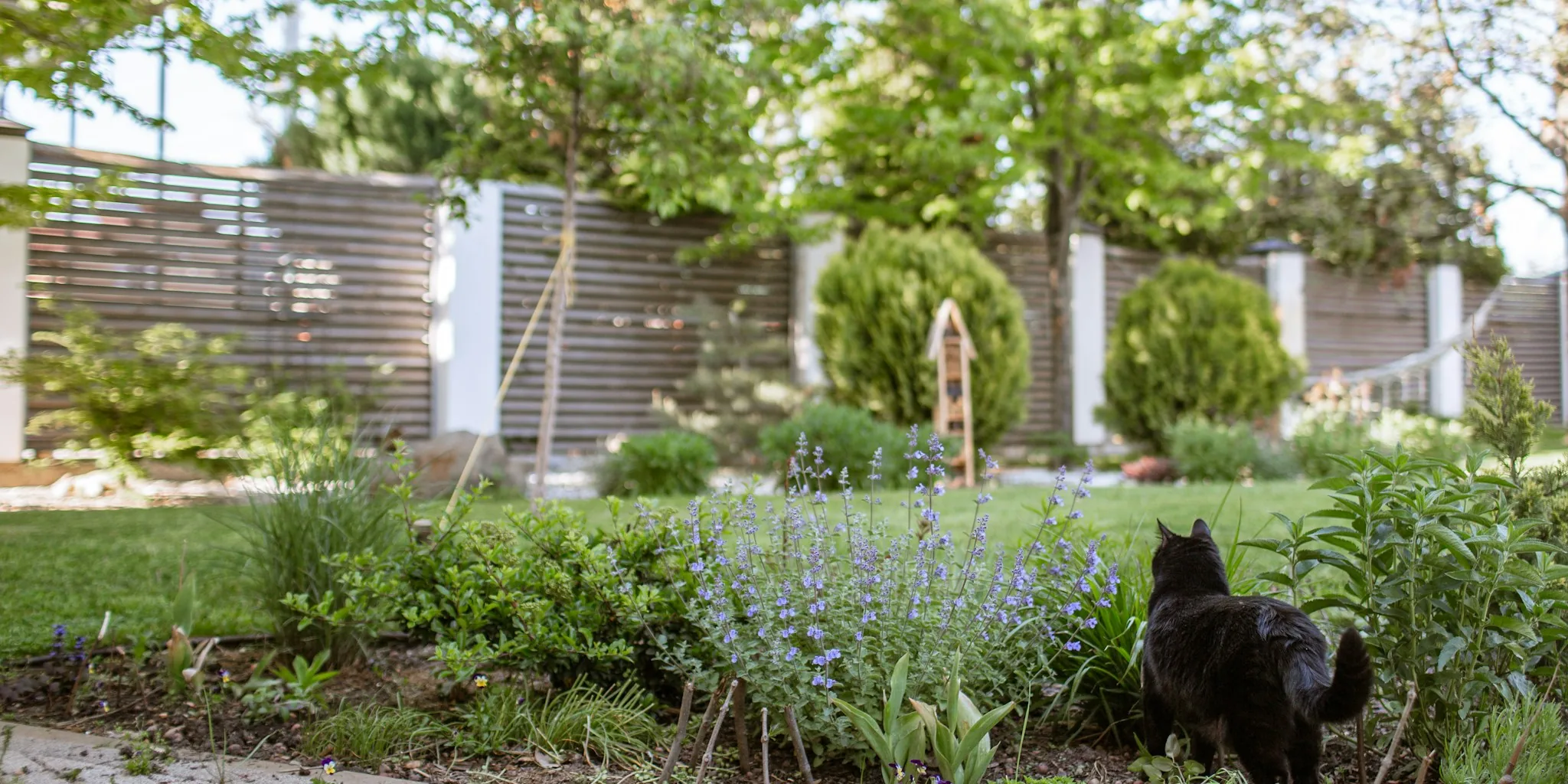

As summer winds down and outdoor living season reaches its sweet spot, many homeowners discover an unwelcome problem: garden privacy plants are thinning out just when they want to enjoy their patios most. Tall perennials lean and gap at the base, annuals become see-through, and suddenly your neighbors have a clear sightline into your outdoor space. The good news is that you don’t need to wait until spring or invest in expensive fencing. Late summer is actually an ideal time to install fast-growing privacy plants that establish quickly before frost arrives.
Why Late Summer Planting Works
Planting privacy screens in August and September takes advantage of warm soil conditions that remain in the 60s to low 70s Fahrenheit, creating perfect conditions for root development. Unlike spring planting with its waterlogging risks or midsummer heat stress, late-season planting allows roots to establish steadily while ground temperatures are still favorable. Before you plant, check soil temperature with a soil thermometer to confirm conditions are right for rapid growth.
Preparation matters as much as timing. Clear away spent plants, remove standing water risks from your planting area, and work compost or organic material throughout the entire bed rather than just around individual holes. The goal is preventing roots from circling endlessly in isolated pockets of rich soil surrounded by clay.
Watering and Mulch Essentials
Water strategy differs from spring planting. Rather than light daily watering, deliver deep soaks two to three times per week to encourage roots to grow downward. Skip heavy nitrogen fertilizers now, as they produce soft growth that frost will damage. Instead, focus on moisture retention by applying a thick mulch layer of 2 to 3 inches around your new plants. A good shredded mulch keeps ground conditions consistent and helps roots establish without stress.
When it comes to care, maintaining consistent moisture is critical for newly planted privacy plants, especially during the transition into fall.
Fast-Growing Climbing Vines for Quick Coverage
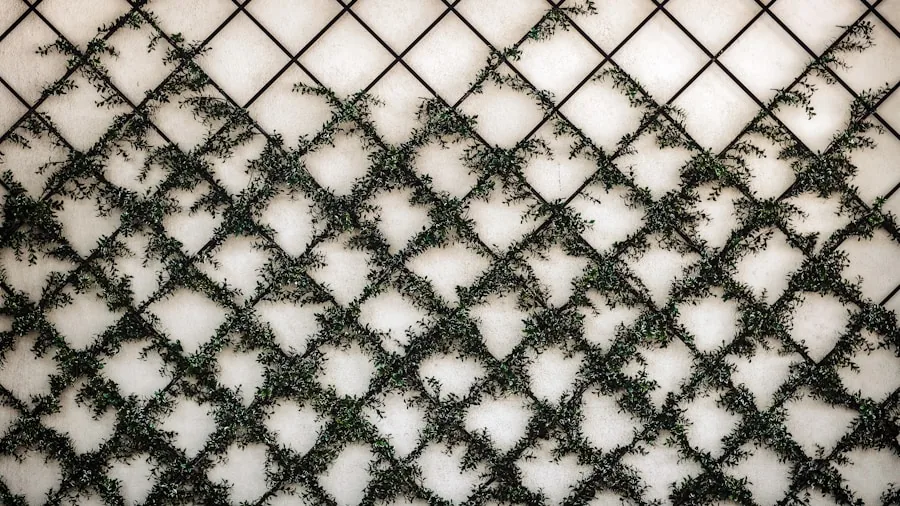
Black-eyed Susan vine is a sprint climber that reaches 6 to 8 feet in weeks, offering vibrant orange, yellow, and red flowers through hard frost. These plants often go on sale in August and respond quickly to good conditions. Plant them about 18 inches apart along a thin trellis or lattice where they can twine and grab. They prefer some afternoon shade in hot southern regions to prevent leaf scorch.
Sweet autumn clematis offers an entirely different appeal: delicate vanilla-scented star-shaped blossoms that transform a trellis into a fragrant snowdrift by October. A single 2-gallon potted start planted in August gives you an instant green screen plus exceptional sensory value. Plant the root crown slightly deeper than its nursery container sat, keep the base shaded with heavy mulch, and let the top growth reach full sun. Prune hard each spring to maintain thickness and control size.
Cardinal climber is a hummingbird magnet with feather-like foliage and brilliant red trumpet blooms that grow at remarkable speed, reaching 10 to 15 feet in weeks. Its delicate dissected leaves create privacy without feeling confining, making it perfect for seating areas or arbor entrances.
Evergreen Shrubs for Year-Round Privacy
Green Giant arborvitae is a classic choice for permanent privacy, arriving at nurseries as 5-foot plants that add 3 feet of growth annually once established. These ultimately reach 40 to 60 feet, though you’ll want to give them space at a back property line rather than against your house. Deer avoid them, unlike many other arborvitae species. Water deeply twice weekly through autumn until the ground freezes, and mulch the base to retain winter moisture.
Southern wax myrtle combines native evergreen reliability with aromatic bayberry-scented leaves and fall berries that feed winter birds. Prune back soft branch tips by one-third at planting time to force dense branching and reduce transplant stress. Dwarf cultivars top out around 4 to 6 feet for lower deck privacy, while full-size forms reach 15 to 20 feet. Mulch heavily to encourage rapid vertical growth.
Sunshine privet offers electric golden-yellow foliage that instantly brightens dark corners. This sterile, non-invasive cultivar never flowers or sets seed, and it grows a foot or more yearly, topping out near 3 to 6 feet tall. Plant in full sun to maintain the brilliant color, and space plants 3 feet apart for a hedge. It responds exceptionally well to shearing for formal architectural screens.
Ornamental Grasses and Specialty Options

Switch grass might seem an unlikely privacy plant, but warm-season varieties like Cheyenne Sky reach full height and impact precisely when you need them most, late in the summer. These native grasses provide 4 to 6 feet of upright stems under airy seed heads, rustling with movement throughout fall and winter. Space them 2 to 3 feet apart along driveways or patio edges.
Passion flower combines exotic visual appeal with edible maypop fruit. Its intricate purple-and-white blooms open continuously from midsummer into autumn, filling the air with clove-like fragrance while attracting native pollinators. Proper trellising and support systems help these vigorous growers reach their full potential. In zones 5 and 6, the vine dies back to roots after hard frost but returns thicker and more vigorous each spring.
Planting Strategy for Maximum Impact
A single straight row has limited screening value. Instead, layer depth: position fast-growing evergreens at the back, fill the middle with grasses and perennials, and let vines climb whatever support structures you have available. North of zone 6, rely on annual vines rather than woody shrubs planted this late. This three-tier approach creates a dense living wall far more effective than any single plant type.
By choosing the right combination of fast-growing plants and following proper late-summer planting techniques, you can transform thin, gappy screening into a lush privacy barrier before your outdoor entertaining season ends.



Write Your Review
No reviews yet. Be the first to share your experience!