
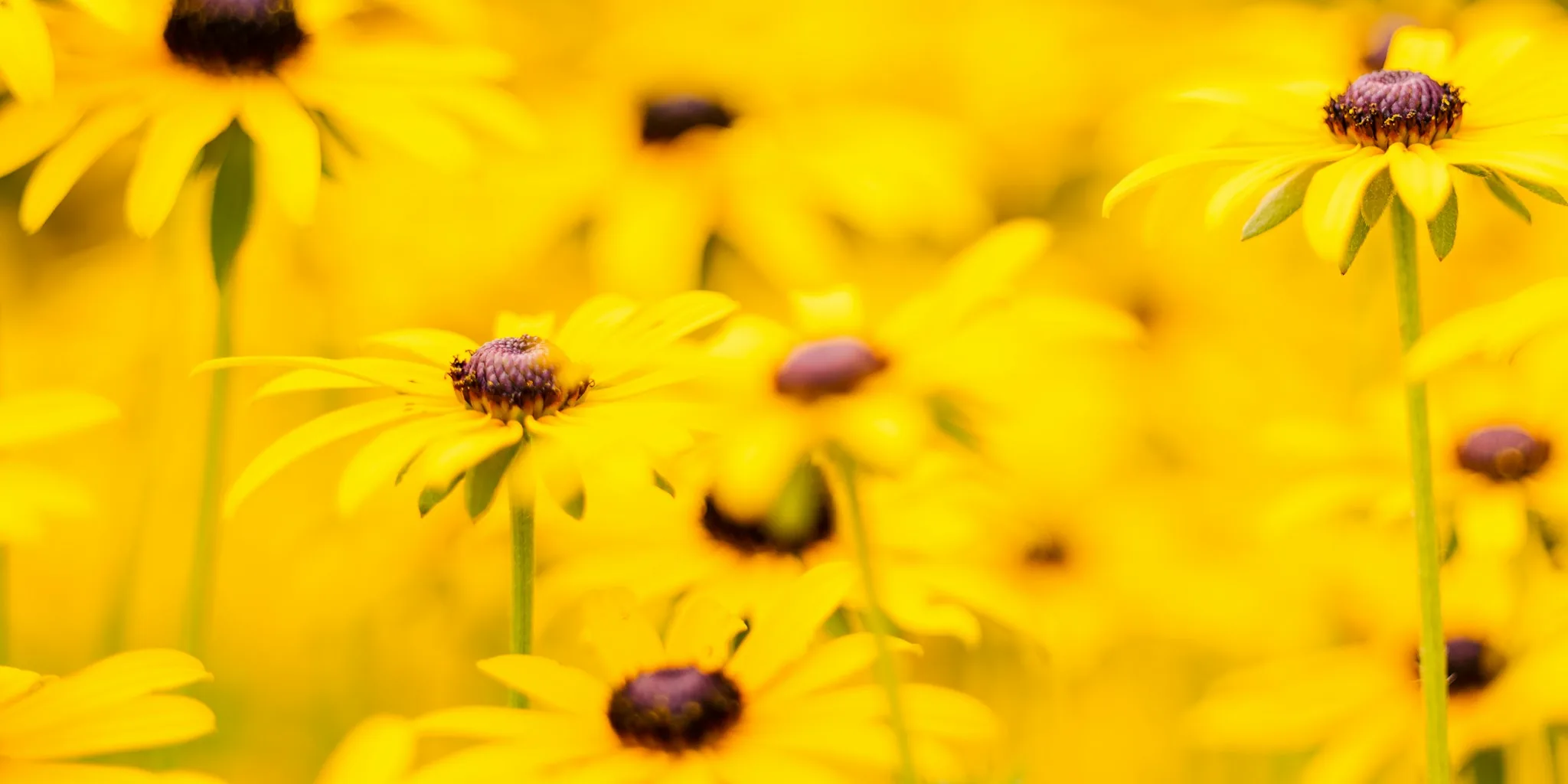

Black-eyed Susans have long been a go-to choice for late-season color in American gardens, but plant breeders have now developed newer varieties that significantly outperform the classic Goldsturm cultivar introduced back in 1949. If you’re shopping for reliable perennials that flower longer and require less maintenance, these modern black-eyed Susan varieties deliver superior results with extended blooms, enhanced disease resistance, and greater tolerance to challenging growing conditions.
Why Goldsturm Is No Longer Your Only Option
The original Goldsturm remains a solid performer, but decades of plant breeding have created options that tackle common problems gardeners face. The biggest issue with traditional black-eyed Susans is vulnerability to Septorial leaf spot, a fungal disease that weakens plants and cuts flowering short. Newer varieties address this weakness while also offering better heat tolerance, drought resistance once established, and more abundant blooms over an extended season. For shoppers seeking plants that deliver month after month of flowers with minimal fuss, these improved varieties represent real value.
Seven Superior Varieties for Different Growing Situations
American Gold Rush for Disease Prevention
Named Perennial Plant of the Year in 2023, American Gold Rush stands out for its exceptional disease resistance. Its slightly hairy leaves prevent moisture from sitting on the foliage, which blocks the conditions that fungal spores need to take hold. This means flawless foliage even in humid climates, with reliable flowering from July through September and often to the first frost. The compact size (1 foot high, 1-2 feet wide) fits zones 3-8 and works in most garden settings.
Little Goldstar for Maximum Flower Power
If bloom density matters to you, Little Goldstar produces over 80 flowers on a single plant. Its 16-inch stems are completely covered with yellow blooms from July to October. The compact growth habit (2 feet wide) keeps it neat, and its shorter, sturdy stems resist the late-season flopping problem that taller varieties develop. This variety thrives in zones 4-9.
Glitters Like Gold for Extreme Temperatures
This variety handles both temperature extremes, from -40°F cold to hot, humid summers. Growing 2-3 feet tall and 1-2 feet wide, Glitters Like Gold closely resembles Goldsturm but delivers more flowers for a longer period. Strong disease resistance and sturdy, non-flopping stems make it a reliable choice for zones 3-9.
Deam’s for Supporting Pollinators
Native to parts of the Midwest, Deam’s is not a modern cultivar but holds the Royal Horticultural Society’s Award of Garden Merit and its Plants for Pollinators designation. The dark central cones are particularly nectar-rich, attracting bees and butterflies throughout the growing season. The heavy seed production feeds finches through winter. Growing 2-3 feet high and 1-2 feet wide in zones 4-9, this clump-forming perennial adapts to most well-drained soils. While drought-tolerant once established, weekly watering encourages fuller fall blooms.
Blackjack Gold for Intense Color
For gardeners seeking particularly saturated color, Blackjack Gold delivers intense golden petals enhanced by striking dark central cones and red-toned stems. Its tall but narrow habit (3 feet tall, 1 foot wide) allows tight spacing in borders for maximum color impact. Flowers densely cover the branched stems from July to October in zones 3-8. As a shorter-lived perennial, it reliably self-seeds, ensuring continuous plants without replanting effort.
Viette’s Little Suzy for Container Growing
Container gardeners should focus on Viette’s Little Suzy, a compact dwarf reaching just 12-18 inches high and wide. This variety handles container life exceptionally well, tolerating the temperature swings and moisture fluctuations that pots experience. Its exceptional disease resistance means it flowers reliably through summer into early fall while attracting bees and butterflies. The heat and drought tolerance of established plants makes this ideal for deck or patio displays.
Treasure Trove for Hands Off Gardening
True low-maintenance gardeners should choose Treasure Trove, which practically grows itself. Despite reaching 2-3 feet high and wide, its neat, bushy habit with heavily-branched stems supports itself without staking. This self-supporting structure also creates massive flower volume. Strong Septoria leaf spot resistance, summer heat tolerance in zones 4-9, deer and rabbit resistance, and minimal watering needs once established make this virtually foolproof. When combined with other low-maintenance perennials like daylilies and goldenrod, it creates effortless garden displays. Occasional deadheading encourages continuous flowering from July to October.
Key Takeaways for Shoppers
When selecting black-eyed Susan varieties, consider your specific needs. Disease-prone areas benefit from American Gold Rush or Treasure Trove. Container gardeners should prioritize Viette’s Little Suzy. Those supporting wildlife gain more from Deam’s or Little Goldstar. For extended fall color without replanting, multiple varieties in this selection will deliver. All share superior disease resistance, drought tolerance, and extended flowering periods compared to the classic Goldsturm, making them smart choices for any garden.






Write Your Review
No reviews yet. Be the first to share your experience!