

August Herb Planting Guide: 6 Species to Grow Before Fall Arrives
As summer heat begins to fade, many gardeners assume their outdoor growing season is winding down. However, August is actually an excellent time to plant certain herbs that thrive in cooler weather and will produce fresh harvests well into fall and beyond. By selecting the right varieties and giving them proper care, you can extend your herb garden’s productivity for weeks or even months after summer ends.
Why August Planting Works for Herbs
Unlike warm-weather plants that bolt or decline in cooler temperatures, specific herbs actually prefer the shoulder season between summer and fall. Planting young nursery plants now gives them time to establish strong root systems before the first frost arrives. Many of these herbs are perennials or cold-hardy annuals, meaning they may persist into winter or return next spring with proper protection. For gardeners in regions with unpredictable weather, starting herbs in containers allows you to move them indoors when temperatures drop too low.
Six Herbs to Plant in August
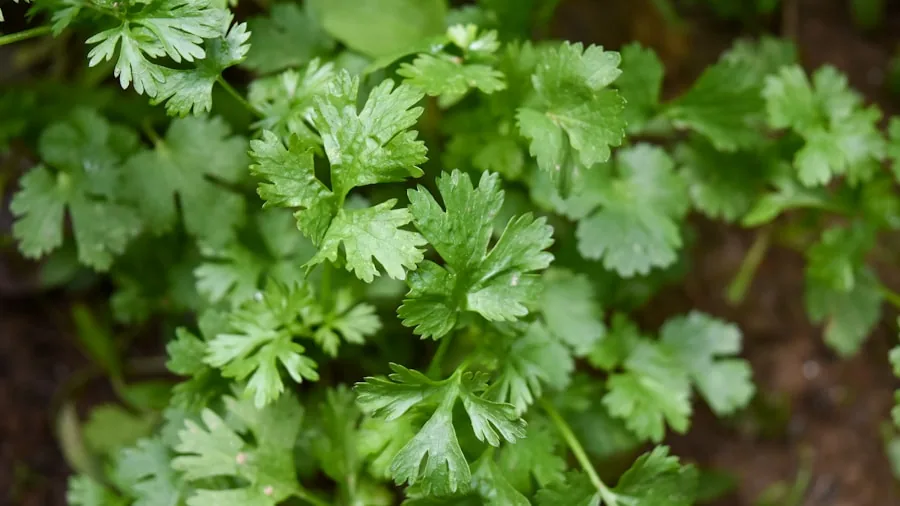
Parsley tops the list for fall planting because it actively prefers cooler conditions. Its vibrant green foliage remains lush when surrounding plants begin to fade and brown. Plant parsley in full sun or partial shade, keeping the soil consistently moist without waterlogging it. Harvest outer stems regularly to encourage fresh growth throughout the season.
Cilantro is another cool-season herb that suffers in summer heat, often bolting prematurely and losing flavor quality. If you enjoy cilantro’s distinctive taste, August is the ideal planting window. Position it in full sun or partial shade with well-draining soil, and trim stems from the outside inward to stimulate continuous growth.
Chives bring a delicate onion flavor to salads, soups, and egg dishes. These herbs tolerate cold well and are hardy perennials in many climates, meaning a plant established now may return next spring. Plant in full sun or partial shade with well-draining soil, and snip leaves as needed. Avoid heavy harvesting this season if you want the plant to survive winter and regrow.
Thyme is a hardy perennial in zones 5 through 9, making it an excellent long-term investment for fall planting. Its tiny leaves pack robust flavor and pair beautifully with meats, poultry, soups, and stews. Thyme demands excellent drainage and actually tolerates dry conditions well, so water regularly during establishment but reduce frequency once it matures. Pair thyme with other fall perennials in your garden design for visual and culinary interest. Harvest stems as needed, but avoid cutting into woody growth that won’t regenerate.
Sage is another perennial that maintains usable foliage well into fall and through light frosts. Its strong flavor complements hearty dishes like turkey, buttery pasta, and squash. Plant sage in full sun with excellent drainage, water regularly during establishment, then reduce watering to only when soil dries out. A layer of mulch around the base provides winter protection and helps ensure spring regrowth.
Mint rounds out the list as an exceptionally vigorous and easy-to-grow herb. Because mint spreads aggressively through runners, always plant it in containers to prevent it from taking over garden beds. Mint tolerates both full sun and partial shade, prefers consistently moist soil, and produces new growth when entire stems are harvested. You can bring containers indoors for winter harvesting or let the plant go dormant outside, knowing it will likely return in spring.
Care Tips for Fall Herb Success
Consistency in watering is critical during establishment. While moisture needs vary by species, most herbs benefit from regular watering during the first few weeks after planting. Once roots are established, reduce frequency and adjust based on individual herb requirements and local rainfall.
Mulching provides valuable benefits, especially for perennial herbs. A layer of organic mulch insulates soil and roots against temperature fluctuations, helping plants survive harsh weather. For tender perennials and annuals in cold climates, mulch becomes essential winter protection.
Harvesting encourages bushier growth and extends the productive season. Remove leaves and stems regularly using clean cuts at the base, which stimulates the plant to generate fresh foliage. However, avoid stripping more than one-third of the plant’s foliage at once.
Planning for Winter and Beyond
In mild climates, many of these herbs will remain productive through early winter. In colder regions, moving container-grown herbs indoors extends your access to fresh herbs through the cold months. Even herbs that die back completely, like mint, often return from their roots in spring if properly mulched.
Starting herbs in August positions you to enjoy multiple fall harvests and, for perennial varieties, years of continued growth. With thoughtful selection and basic care, your herb garden doesn’t have to fade when summer ends.




Write Your Review
No reviews yet. Be the first to share your experience!