


The next generation of AI-powered laptops faces a challenge that has nothing to do with processor speed. According to a new industry analysis, thermal management is rapidly becoming the deciding factor in how fast artificial intelligence models can actually run on your personal computer. This shift means that cooling technology, long treated as an engineering afterthought, is about to become front and center in laptop design decisions.
The Real Bottleneck Behind AI Performance
When AI models run locally on your device, their speed is measured in tokens per second, a metric that relies heavily on memory bandwidth. Current laptop designs use 128-bit memory buses paired with LPDDR5 memory, which tops out at roughly 150 GB per second. This limitation prevents most laptops from running demanding AI models at practical speeds.
To address this constraint, chipmakers are aggressively widening their memory buses. Qualcomm has pushed its latest chips to 192-bit configurations, while AMD and NVIDIA now offer 256-bit options for consumer devices. Apple has taken the most aggressive approach with its M5 Max processor, which features a 512-bit memory bus capable of running massive open-source AI models entirely on the device without relying on cloud servers.
The industry expects this trend to accelerate dramatically once LPDDR6 memory becomes standard between 2027 and 2028, offering faster data rates and improved power efficiency compared to today’s generation.
The Physical Problem Creating a Cooling Crisis
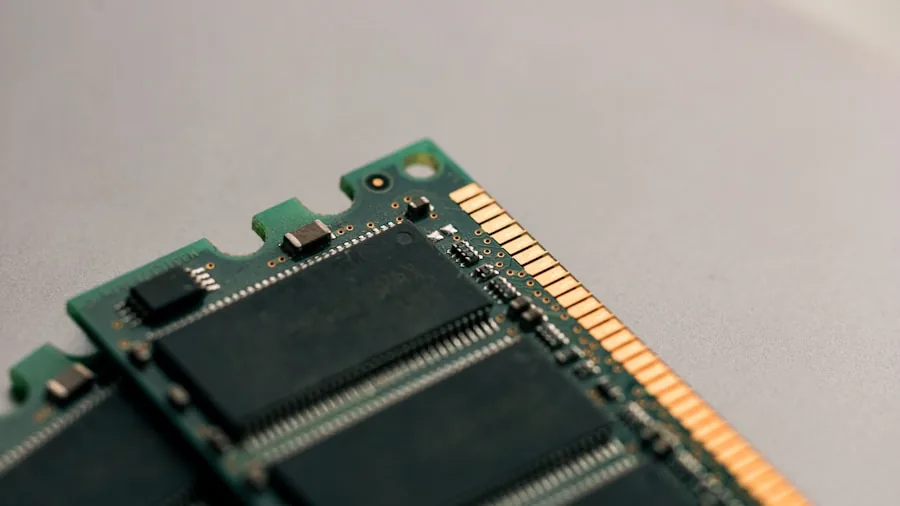
Here is where things get complicated for laptop manufacturers. Wider memory buses force memory chips to sit exceptionally close to the processor, within traces shorter than 25 millimeters. This exact space is where traditional cooling components like fans and heat pipes have always been installed inside thin and light laptops. Apple sidesteps this issue by integrating memory directly into its processor package, but other manufacturers must solve this spatial puzzle using conventional thin chassis designs.
Traditional fan-based cooling systems cannot effectively scale as memory layouts become denser and buses grow wider. This physical constraint is pushing solid-state cooling technologies from experimental concept to practical necessity.
Solid-State Cooling Emerges as the Solution
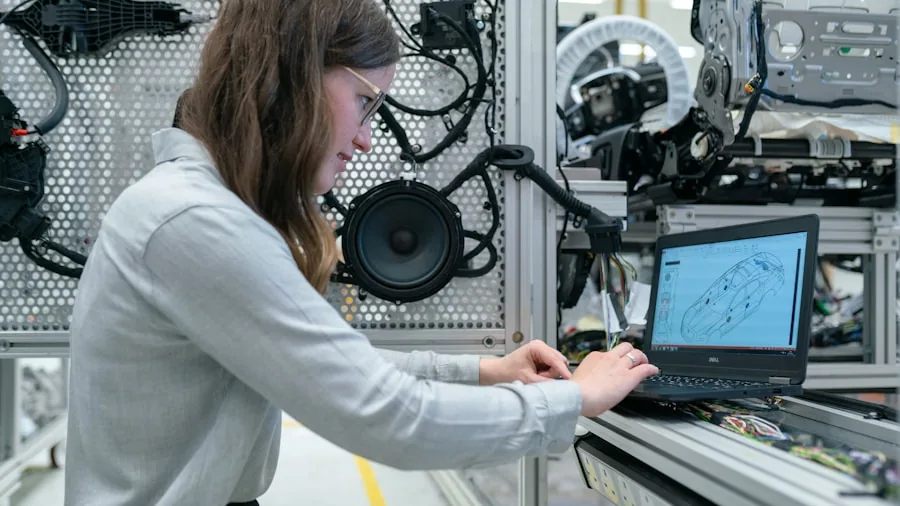
Solid-state cooling systems offer a way forward because they operate without moving parts. Ventiva has developed an ionic cooling platform that uses charged particles to move air silently. Another company, Frore, demonstrated its AirJet technology in an Intel reference laptop measuring just 11.3mm thick, delivering 15 watts of fanless cooling while remaining completely silent. YPlasma showcased a plasma-powered cooling system at a recent tech conference, using ionized gas instead of rotating fans to move air and claiming operation at just 17 decibels.
These technologies represent a fundamental shift in how laptops manage heat. Unlike traditional fans that take up valuable real estate and create noise, solid-state solutions enable manufacturers to optimize space for dense memory layouts while maintaining silent operation.
What This Means for Laptop Shoppers
For consumers, this transition has significant implications. If the timeline holds true, 2027 and 2028 will mark a real turning point when wider memory buses and next-generation memory become standard. Laptop makers will need to rethink cooling fundamentally instead of treating it as an afterthought during design.
When evaluating laptops today, especially those marketed for AI applications or demanding workloads, consider whether the device uses cutting-edge memory bus widths and what thermal management approach the manufacturer has chosen. High-performance gaming laptops and professional development machines typically feature better cooling solutions that translate to sustained performance during intensive tasks.
The shift toward solid-state cooling also means future laptops may become quieter during heavy workloads. Silent operation during AI model processing could improve user experience significantly, especially for professionals who rely on their machines throughout the day.
If you are planning to purchase a laptop in the next year or two, pay close attention to cooling specifications and memory architecture details in product reviews and manufacturer specifications. These factors, rather than raw processor clock speeds, may become the true measure of AI-readiness and real-world performance. College students choosing laptops for coursework involving AI tools should particularly consider how well thermal management is handled, since sustained performance matters more during long study sessions than peak speeds.




Write Your Review
No reviews yet. Be the first to share your experience!