

Hyundai and Genesis Bringing Extended Range Electric SUVs to Market in 2027
Hyundai Motor Group has announced major changes coming to its lineup within the next few years. At its 2026 CEO Investor Day presentation, the company revealed plans to introduce extended range electric vehicle (EREV) powertrains across both the Hyundai and Genesis brands. The first models featuring this technology will arrive in the first half of 2027, marking a significant shift in how the company approaches electrification and range concerns for SUV shoppers.
Understanding EREV Technology and What It Means for You
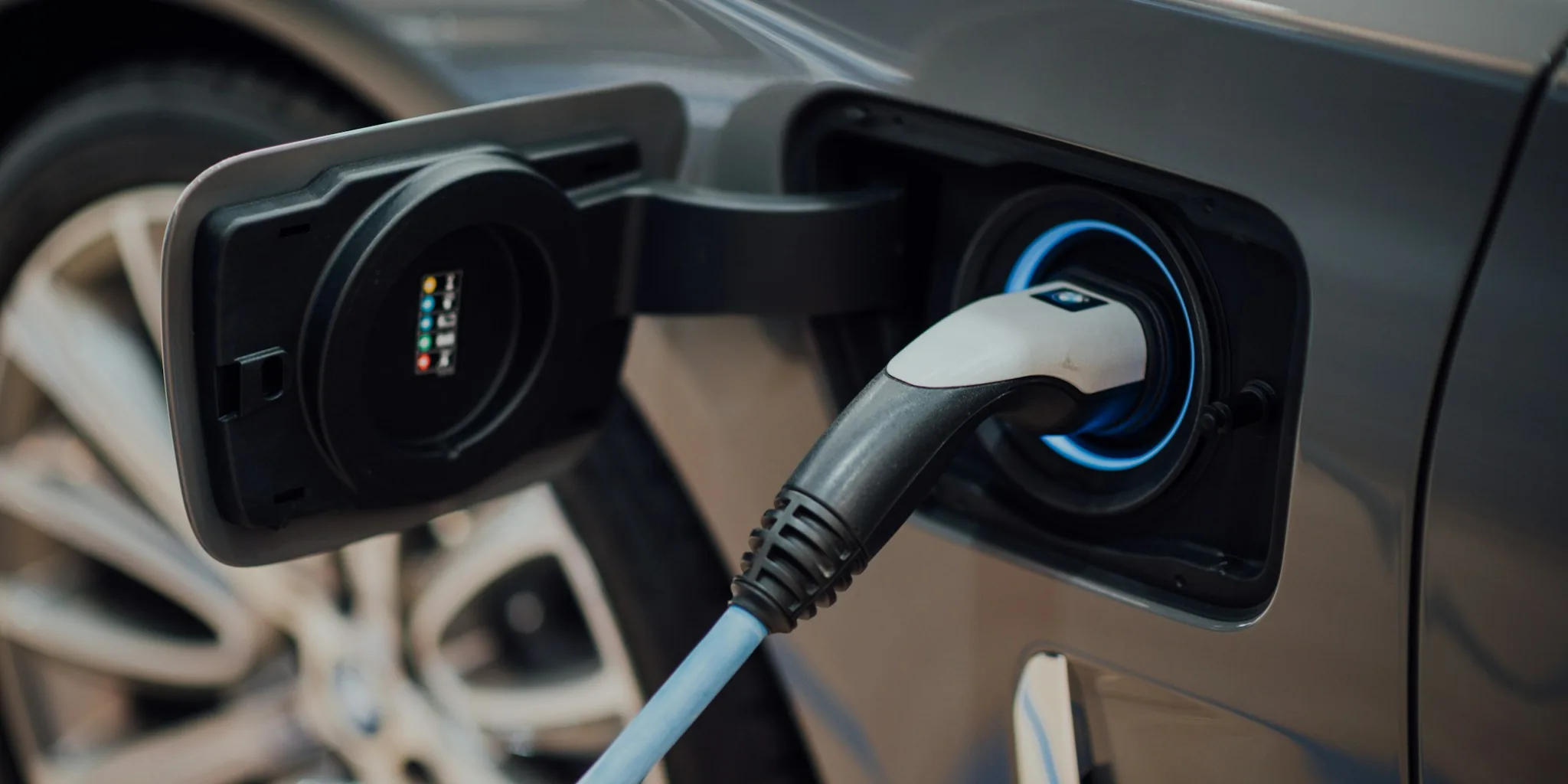
An EREV is a plug-in hybrid powertrain that combines a smaller battery pack with an onboard gasoline engine. Unlike a traditional plug-in hybrid, the engine in an EREV functions primarily to recharge the battery rather than directly power the wheels at highway speeds. This approach allows owners to drive on electric power for daily commutes while having the security of a gas engine for longer trips. The technology is positioned as a bridge to full electrification, helping consumers who worry about charging infrastructure and battery range limitations make the leap toward cleaner vehicles.
The Hyundai Santa Fe EREV Takes the Lead
Hyundai’s first EREV model will be a variant of its popular three row Santa Fe SUV. This version will feature dual electric motors powering both the front and rear axles, delivering all wheel drive capability and performance comparable to fully electric vehicles. The company claims the Santa Fe EREV will deliver a combined range exceeding 600 miles, meaning owners could go weeks between fill ups for typical commuting. Manufacturing will take place at Hyundai’s Alabama facility, the same location where gas and traditional hybrid Santa Fe models are built.
For SUV buyers considering their next vehicle, the arrival of extended range options mirrors broader industry trends toward hybrid and electric SUV choices. This timing is critical as traditional gasoline only SUVs face increasing pressure from environmental regulations and consumer preference shifts.
Genesis GV70 Gets the Premium Treatment
Genesis, Hyundai’s luxury brand, will introduce its own EREV with the compact GV70 SUV. The Genesis version is expected to offer slightly longer combined range at approximately 640 miles. Currently built in South Korea, the GV70 EREV will join the company’s growing electrified portfolio. While Genesis recently announced a traditional hybrid GV80, the GV70 EREV represents the brand’s commitment to bridging the gap between conventional and fully electric driving.
Broader Hybrid Expansion Continues
Beyond EREV models, Hyundai plans to introduce more than ten new traditional hybrid variants by 2030. The company projects that half of all North American sales will be hybrid equipped by that time, reflecting the persistent appeal of gas electric powertrains. Production capacity at Hyundai’s North American plants will expand by 500,000 units annually to support this growth. As competitors adjust their product strategies, the race to offer efficient SUV options intensifies across the industry.
What This Means for the SUV Market
These announcements signal that range anxiety, long considered the primary barrier to EV adoption, is being actively addressed through hybrid technology rather than purely electric solutions. EREV powertrains offer flexibility that appeals to diverse buying preferences, particularly in the SUV segment where consumers value versatility and capability. The strategy also positions Hyundai and Genesis to capture market share from buyers not yet ready to commit fully to battery electric vehicles.
Hyundai also revealed plans to expand into new market segments including pickup trucks and body on frame SUVs for the Hyundai brand. A new body on frame platform, previewed by the Boulder concept vehicle, signals the company’s serious intent to compete in segments traditionally dominated by American brands. Genesis is expected to develop a luxury off road focused model as well, further diversifying the premium brand’s portfolio. As SUVs grow larger and more capable, powertrain and braking technologies advance to match driver expectations.
Timing Matters for Shoppers
If you are currently shopping for an SUV, understanding these upcoming changes helps inform your decision. Waiting until 2027 for the Santa Fe or GV70 EREV could deliver significantly greater range and capability than today’s traditional plug in hybrids. However, buyers needing an SUV now have access to proven hybrid and plug in hybrid technology available in dealerships today. The arrival of EREV models will expand your choices and potentially lower prices on existing inventory as dealers adjust their mix of available powertrains.
The broader industry shift toward hybrid and extended range electric options reflects genuine progress toward practical electrification. Rather than forcing all consumers into fully battery electric vehicles, automakers are meeting the market where it is today while building infrastructure and technology for tomorrow.






Write Your Review
No reviews yet. Be the first to share your experience!