
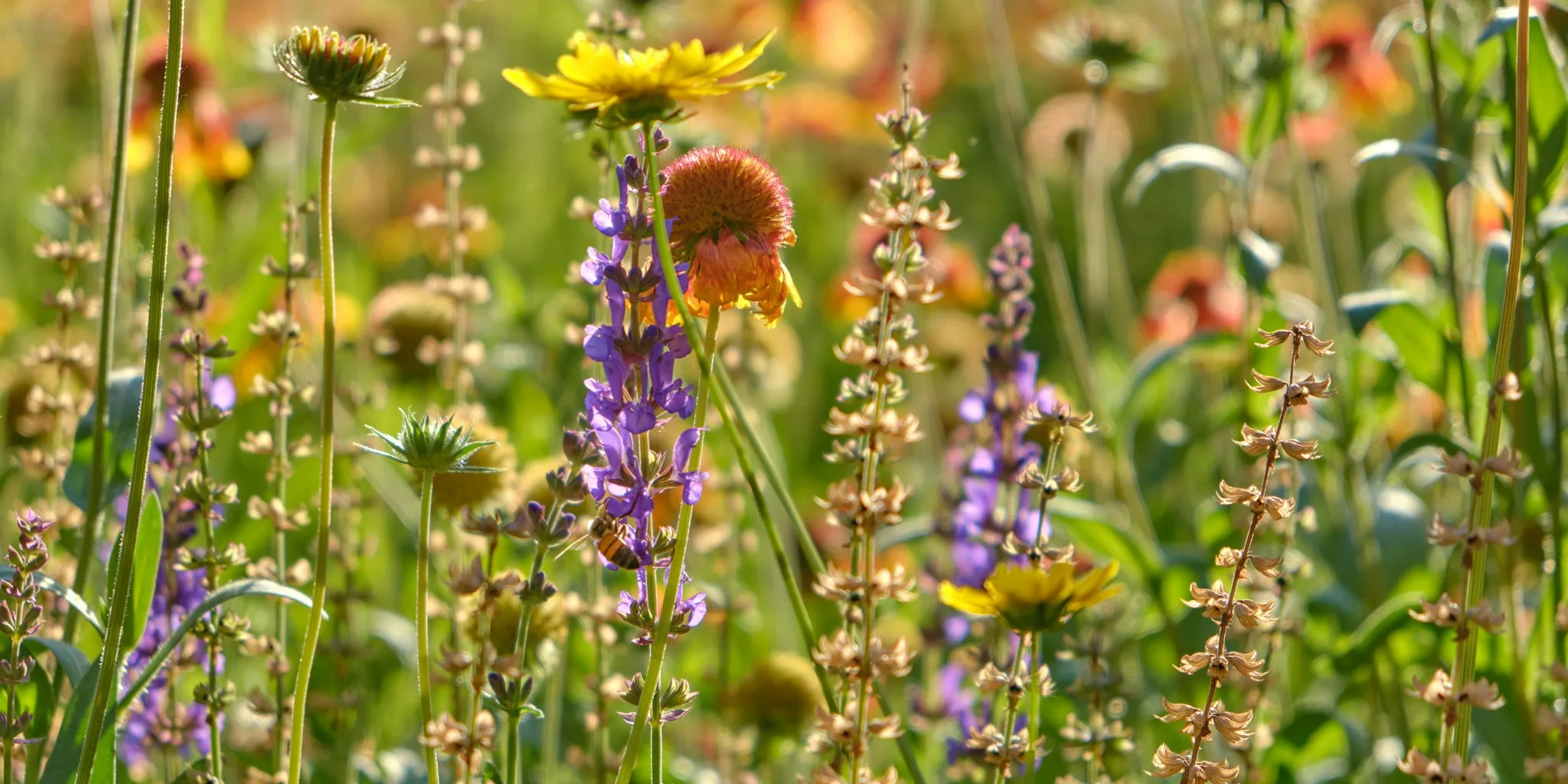

For decades, gardeners facing hot and dry climates have turned to Mediterranean plants like lavender, rosemary, and salvia as their go-to solutions. These sun-loving species have a proven track record: silver foliage reflects heat, deep roots reach moisture, and tough stems help them survive when other perennials wilt. But a quiet shift is happening in landscape design, and it’s coming from an unexpected source closer to home.
A striking prairie native called rattlesnake master is rapidly gaining attention among gardeners and designers who want drought-tolerant beauty without relying solely on Mediterranean imports. This American Midwest native is fundamentally changing how homeowners think about xeriscaping and climate-resilient planting, especially as temperatures climb and water availability becomes an increasingly pressing concern for many regions.
What Makes Rattlesnake Master Different
Rattlesnake master stands out immediately in any garden setting. Its blue-green foliage radiates from the base in a distinctive architectural form, while delicate greenish-white flowers cluster into globe-shaped heads held high on branching stems. At first glance, it resembles a cross between a yucca and an allium, creating an almost otherworldly appearance that breaks the traditional mold of conventional perennial borders. This unique visual appeal has made it increasingly popular in contemporary garden designs that prioritize both function and aesthetics.
Beyond its striking looks, this plant offers genuine environmental benefits. The intricate flower heads are packed with tiny blooms that serve as a vital resource for pollinators. Bees, butterflies, and other beneficial insects flock to rattlesnake master, making it an excellent choice for anyone committed to supporting local pollinator populations. Unlike purely ornamental plants, this native species contributes meaningfully to garden ecosystems while delivering the dramatic visual impact designers crave.
Growing Rattlesnake Master Successfully
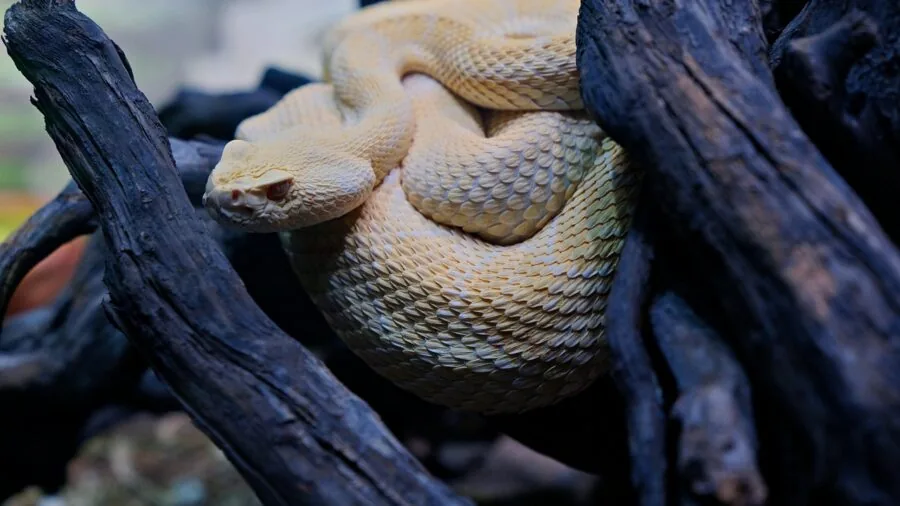
One of the most compelling reasons gardeners are switching to this plant is how low-maintenance it truly is once established. Rattlesnake master thrives in full sun and actually prefers well-drained soil conditions. Whether your garden features sandy, rocky, or clay soil, this flexible native adapts readily. While regular watering during the initial establishment phase is necessary, the plant transitions into complete drought tolerance as it matures, eliminating the constant moisture demands that plague so many conventional perennials.
Container gardening and traditional beds both work equally well for rattlesnake master, giving homeowners flexibility in how they incorporate it into their landscapes. The tall flowering stems can reach several feet high, adding vertical interest and architectural structure to garden designs. Many gardeners intentionally leave the flowerheads standing through winter, where they catch light beautifully and contribute to the garden’s visual interest during dormant months.
What This Shift Means for Shoppers
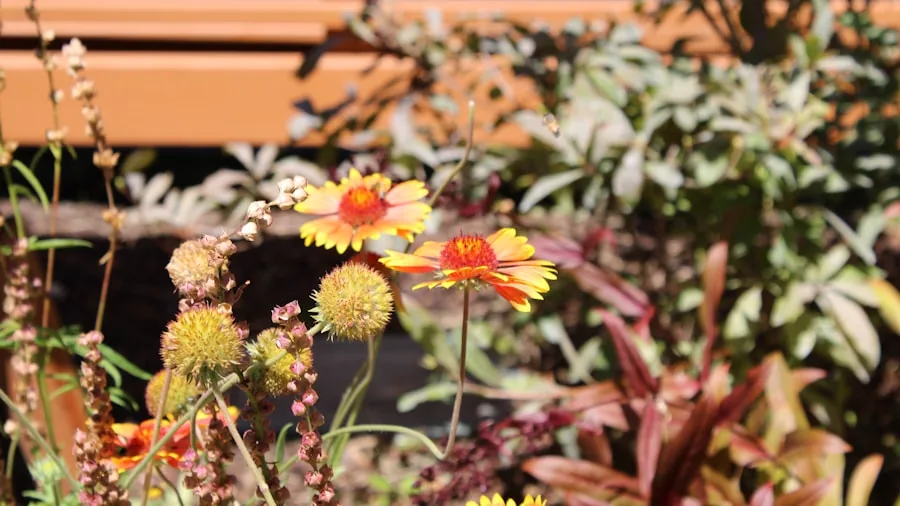
The growing popularity of prairie natives like rattlesnake master signals a meaningful change in garden center inventory and availability. Instead of defaulting to Mediterranean imports with their associated shipping costs and establishment challenges, homeowners can now more easily source plants specifically bred for local climate resilience. This transition addresses real concerns about water conservation, particularly in drought-prone regions where traditional landscaping can strain municipal water supplies.
For consumers planning landscape improvements, understanding plants like one-plant rule design principles can help maximize visual impact while reducing overall plant count and water needs. As climate conditions continue shifting, native plants offer homeowners both aesthetic appeal and practical sustainability benefits. When you consider that rattlesnake master requires minimal ongoing care compared to heat-stressed Mediterranean specimens, the value proposition becomes increasingly clear.
Commercial horticulture and botanical institutions are conducting extensive research on how prairie natives perform under warming conditions. Results from climate-resilient gardening experiments confirm that plants from North American prairie ecosystems offer superior performance in progressively hotter, drier environments. These aren’t experimental or untested species; they’re proven performers with centuries of adaptation to challenging conditions.
Building Your Own Prairie Planting Scheme
Rattlesnake master pairs beautifully with other hardy species in contemporary gardens. Black-eyed Susans provide complementary color and texture, while purple coneflowers offer reliable blooming over extended seasons. These combinations create visually dynamic gardens that require substantially less water than traditional designs centered on tender perennials.
If you’re considering a landscape refresh, exploring seasonal planting guides for hardy species will help you develop a comprehensive strategy. The future of dry gardening may look far less Mediterranean than previous generations assumed, with prairie natives taking center stage for homeowners who want beauty, function, and environmental responsibility working together in harmony.


Write Your Review
No reviews yet. Be the first to share your experience!