

A Celebrity Design Trick That Changes How You Shop for Outdoor Decor
Celebrity interior design trends often feel out of reach for average homeowners, but a recent design approach showcased by actress Goldie Hawn demonstrates that creating an elegant outdoor space doesn’t require complexity or a celebrity budget. Her method, which focuses on repeating a single plant variety across a patio, has sparked interest among design enthusiasts and offers practical lessons for anyone looking to upgrade their outdoor areas on a reasonable budget.
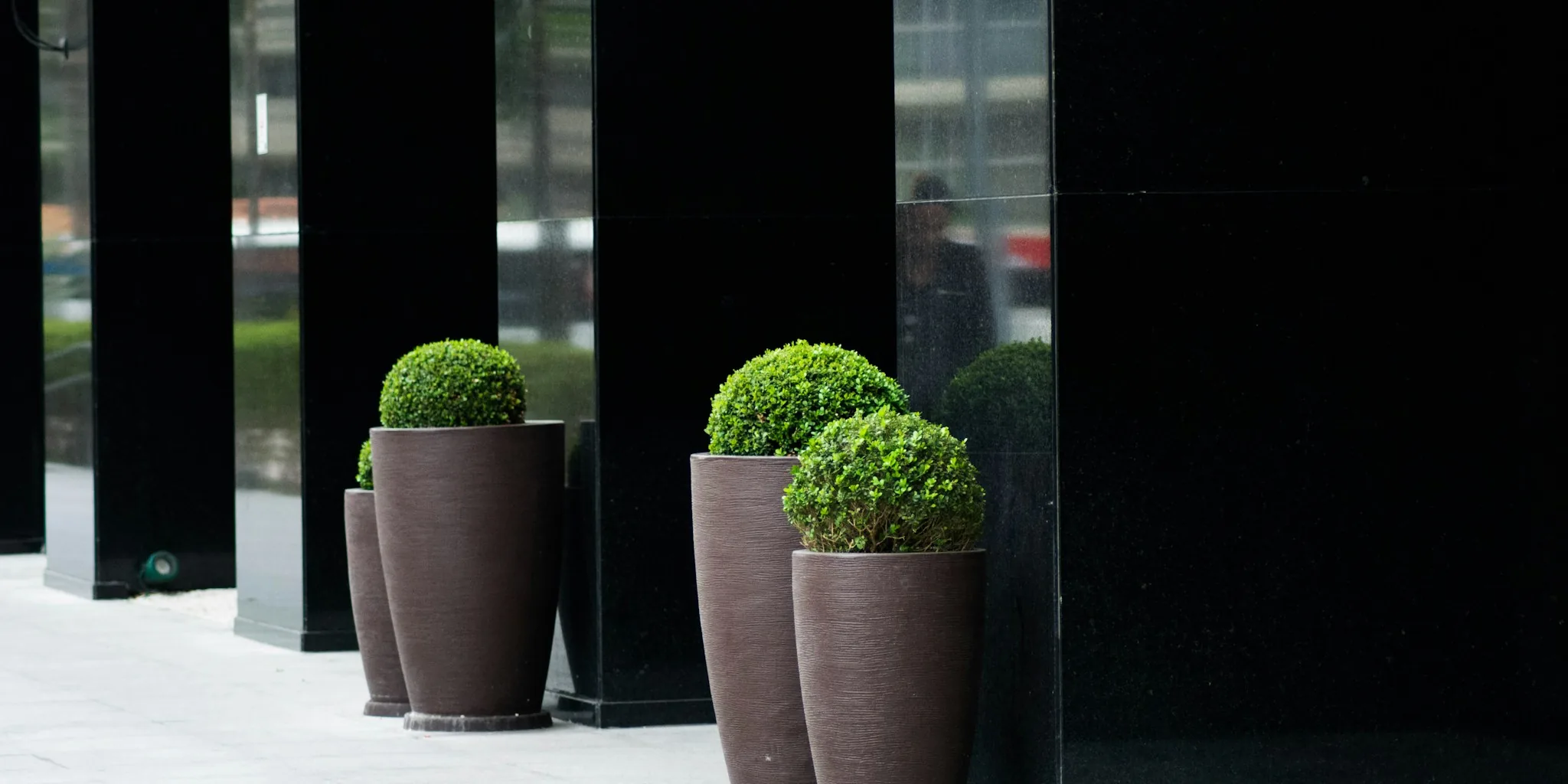
The appeal of this strategy lies in its simplicity. Rather than purchasing multiple different plant species and arranging them in intricate combinations, the approach relies on visual repetition and consistency. Hawn’s patio features tall green palms in matching black containers, arranged strategically to create a cohesive, upscale appearance. This restraint in plant selection creates what designers call “rhythm and cohesion,” principles that professionals have used for decades to elevate any outdoor space.
Why Repetition Works in Garden Design
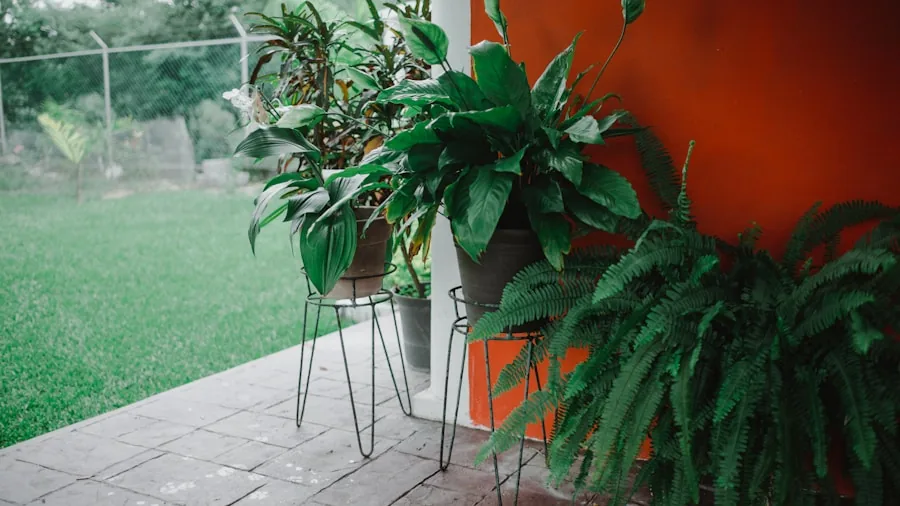
Professional landscape designers understand that repeating elements creates visual impact far more effectively than cluttering a space with variety. When you see the same plant type appearing multiple times throughout an outdoor area, your eye naturally follows a pattern, making the entire space feel more intentional and carefully planned. The effect is particularly striking when plants are placed in uniform containers, which frames the greenery and prevents the eye from becoming distracted by competing colors or textures.
This principle becomes even more powerful when plants are selected for their structural qualities. Tall specimens like palms introduce height and dimension without overwhelming a terrace. As an added bonus, a single plant variety allows greenery to soften hardscape elements, such as paving, walls, and outdoor dining furniture, without making the area feel crowded or claustrophobic. This is especially valuable in smaller outdoor spaces where every plant choice matters.
Making the Strategy Work Within Your Budget
The real advantage of the one-plant rule emerges when you’re shopping on a budget. Instead of purchasing several different species and finding yourself with an assortment of unrelated pots and containers, you can invest in multiple copies of a single plant you genuinely love. Three matching containers filled with the same greenery create far more visual impact than a random collection of different varieties. This focused approach lets you allocate your spending strategically rather than spreading resources too thin across numerous options.
Budget constraints don’t mean you need to compromise on maturity either. You can start with smaller plant specimens and allow them to grow and establish over time. Many low-maintenance plants like lavender, salvia, or rosemary thrive with minimal attention and naturally scale upward as seasons pass. As long as you select plants suited to your growing conditions and personal style, consistency in repetition is what matters most.
When choosing containers, keep the color restrained to let your plant become the star. Black planters work beautifully, but charcoal, dark brown, or terracotta are equally effective options. The key is maintaining visual unity so the greenery stands out rather than competing with busy pot designs. This approach applies whether you’re trying to fix an underperforming patio garden or planning new outdoor sections.
Positioning and Spacing Considerations
One of the best aspects of this design method is that you don’t need to fill every available inch of your outdoor space. A handful of strategically placed containers with well-chosen plants can make your patio look professionally designed without requiring extensive labor or expense. This restraint actually enhances the overall effect, creating visual breathing room that expensive landscaping often overcomplicates. When done correctly, the result resembles something a professional designer carefully orchestrated, which tends to increase the perceived value of your outdoor area.
The positioning itself matters. Plants should be arranged to draw the eye toward focal points or to frame seating areas. Rather than scattering containers randomly, group them in clusters of three or position them symmetrically. This intentional placement reinforces the cohesive feeling you’re trying to achieve and makes even modest spaces feel curated and thoughtful.
What This Means for Your Next Garden Center Visit
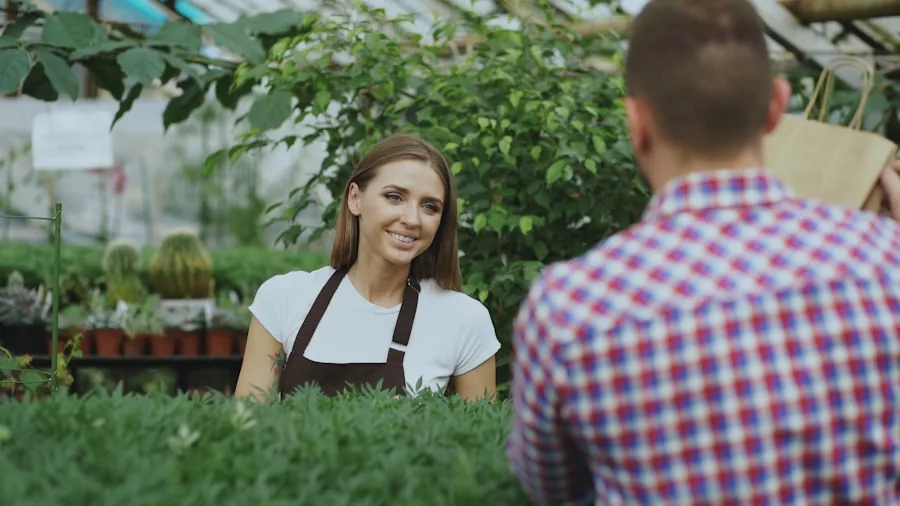
Understanding this design principle changes how you approach shopping for outdoor plants. Instead of wandering the garden center and picking up whatever catches your eye, you can enter with a clear strategy. Choose one plant variety that excites you, verify it thrives in your climate and light conditions, and commit to buying multiple specimens. This focused purchasing method often costs less than a scattered approach while delivering superior visual results.
You might also consider how seasonal plants that provide structure and interest across multiple seasons can support this strategy, allowing you to shift your focal plant as conditions change. This flexibility means your one-plant rule can evolve throughout the year while maintaining the visual coherence that makes spaces feel intentional and polished.
The takeaway is clear: elegant outdoor design doesn’t require complexity, variety, or celebrity budgets. Sometimes the most effective approach is the simplest one, repeated with confidence and consistency.




Write Your Review
No reviews yet. Be the first to share your experience!