
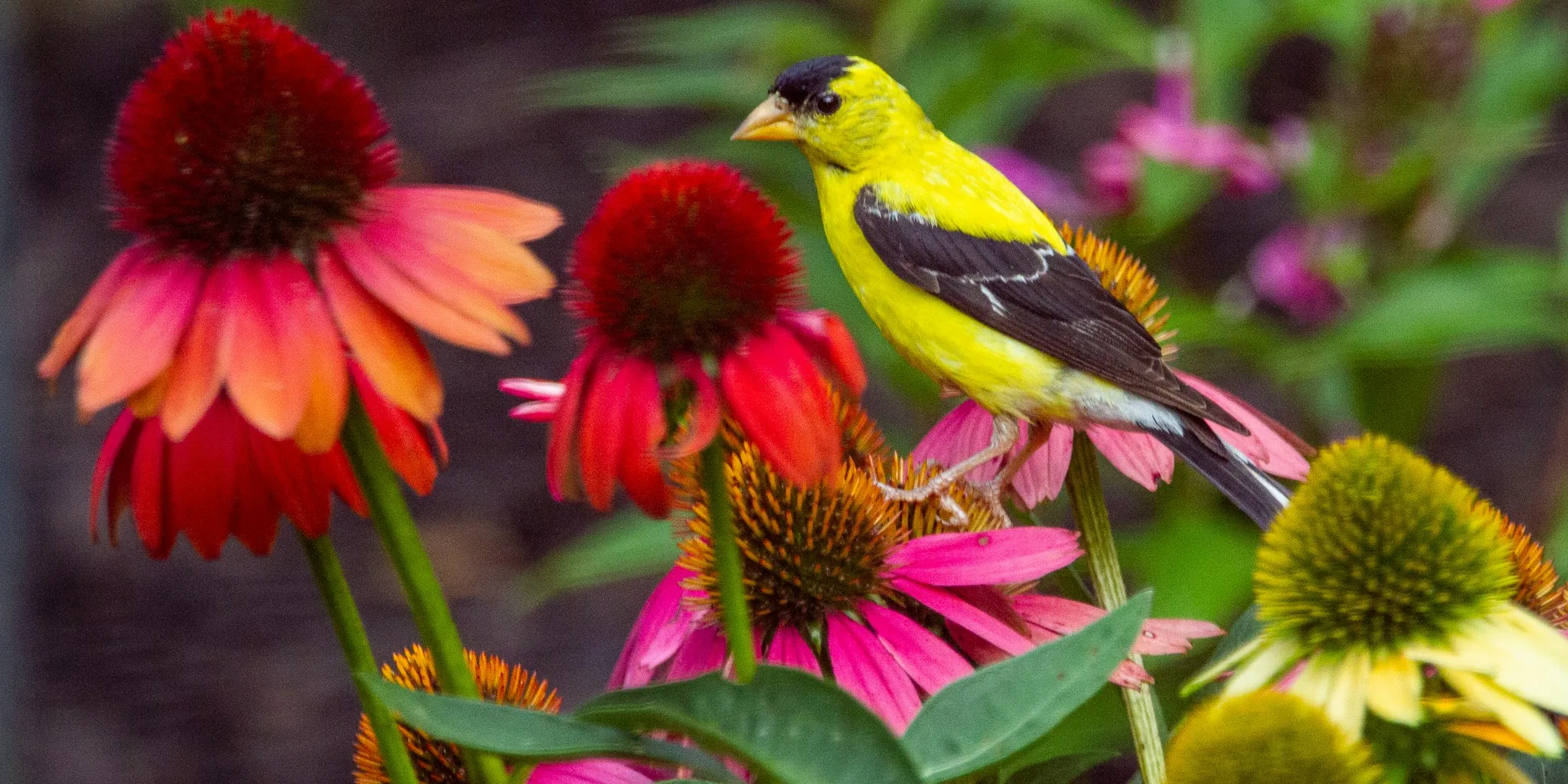

As autumn approaches, migratory birds and year round residents face a seasonal challenge: natural food sources dwindle while the need for nourishment and shelter intensifies. Songbirds preparing for long journeys must double their body weight on high energy foods, while cardinals, chickadees, and goldfinches search for seed heads and berries to survive the colder months ahead. Smart gardeners can help by planting species that deliver protein rich seeds, lipid rich berries, and secure shelter before winter arrives.
The key to attracting and supporting birds is understanding their three core needs: dense protein seeds, nutrient packed fruit, and safe cover. By selecting native plant varieties suited to your hardiness zone, you can create a haven that keeps birds visiting from early fall through winter. For those in USDA zones 3-5, planting should finish by early autumn to allow 4-6 weeks of root establishment before soil freezes. Gardeners in zones 6-9 have additional time to work with.
Preparing Your Planting Site for Success
The ideal window for planting these bird attracting natives coincides with warm late season soil and cooler air temperatures. This combination encourages rapid root establishment, helping fruiting shrubs and seed rich perennials settle in before dormancy. Begin by ensuring well draining soil and working in aged compost if drainage is poor. Bone meal added to the planting hole boosts root development before the freeze arrives. After planting, add a 2 inch layer of organic mulch to regulate soil temperature and protect these natives through winter months.
Seven Plants That Deliver Food and Shelter
Purple Coneflower
Purple coneflower (Echinacea purpurea) produces seed heads that goldfinches, house finches, black capped chickadees, and dark eyed juncos visit repeatedly through fall and winter. Choose single petal native varieties for the most viable seeds. This perennial thrives in full sun to light shade and reaches 2-4 feet tall in hardiness zones 3-8. Leave spent flower heads standing throughout autumn rather than cutting them back, creating an extended feeding opportunity for visiting birds.
American Beautyberry
American beautyberry (Callicarpa americana) offers bright magenta berries that attract northern mockingbirds, robins, northern cardinals, brown thrashers, and catbirds. As fall foliage drops, the berries become fully exposed on bare stems, making them irresistible to migratory flocks. Plant this 3-8 foot shrub in full sun or partial shade in zones 6-10. Growing 2-3 plants together through cross pollination maximizes berry production.
Goldenrod
Goldenrod (Solidago spp.) is often overlooked for bird appeal, yet its feathery seed heads provide feast for goldfinches, dark eyed juncos, tufted titmice, pine siskins, and sparrows. Beyond seeds, goldenrod hosts protein rich caterpillars and insects that migratory warblers hunt. Standing stems also provide winter shelter. This hardy plant grows 1-5 feet tall in zones 3-9, tolerates poor soil, and thrives in full sun.
American Cranberrybush
American cranberrybush (Viburnum opulus var. americanum) produces edible berries that remain on branches well into late winter. Freezing and thawing cycles soften the fruit into prized food for cedar waxwings, robins, bluebirds, and cardinals. This self fertile native grows 8-12 feet tall in zones 2-7 and requires moist well draining soil. Be sure to select the American variety, not the invasive European type with inedible fruit.
Trumpet Honeysuckle
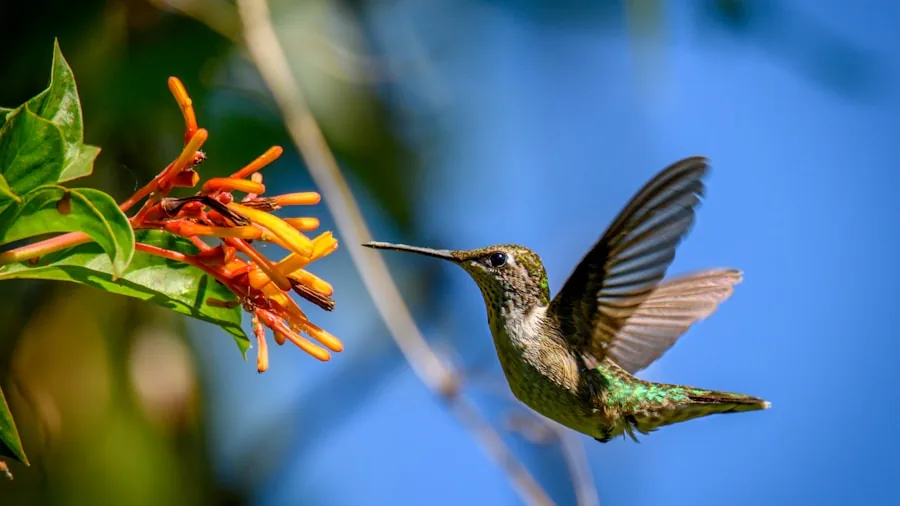
Trumpet honeysuckle (Lonicera sempervirens) is a must have nectar source for migratory hummingbirds, producing tubular coral red flowers from early spring to frost. As one plant rule creates designer patio solutions, this semi evergreen vine reaches 10-20 feet and provides dense foliage for shelter. In late summer, red berries attract robins, finches, cardinals, mockingbirds, and waxwings. Grow in well drained soil and full sun in zones 4-9.
New England Aster
New England aster (Symphyotrichum novae-angliae) displays deep violet purple, pink, and rose blossoms that transition into fluffy seed filled heads. Goldfinches, juncos, chickadees, and cardinals spend crisp fall mornings clinging to sturdy stems to feast on energy dense seeds. This 3-6 foot plant thrives in zones 4-8 with full sun and moist well drained soil. If tomato plant flowers dropping off occurs in your garden, the same soil and sunlight strategies benefit asters as well.
Rocky Mountain Juniper
Rocky Mountain juniper (Juniperus scopulorum) completes bird habitats by providing dense evergreen structure essential for winter shelter. Bluish cones contain nutritious seeds for cedar waxwings, thrashers, warblers, robins, bluebirds, and mockingbirds. The thick aromatic foliage creates windbreaks and roosting spaces away from predators. This juniper reaches 10-15 feet tall in zones 3-7, thriving in full sun and well drained lean soil. A 2 inch layer of natural wood mulch protects these evergreens from drying winter winds.
By planting these natives now, you create a sustainable food and shelter system that supports birds through the challenging autumn and winter seasons. Native plants adapted to your region establish faster when planted before the first hard freeze, giving them the best chance to flourish and reward you with consistent bird activity through the colder months.




Write Your Review
No reviews yet. Be the first to share your experience!