
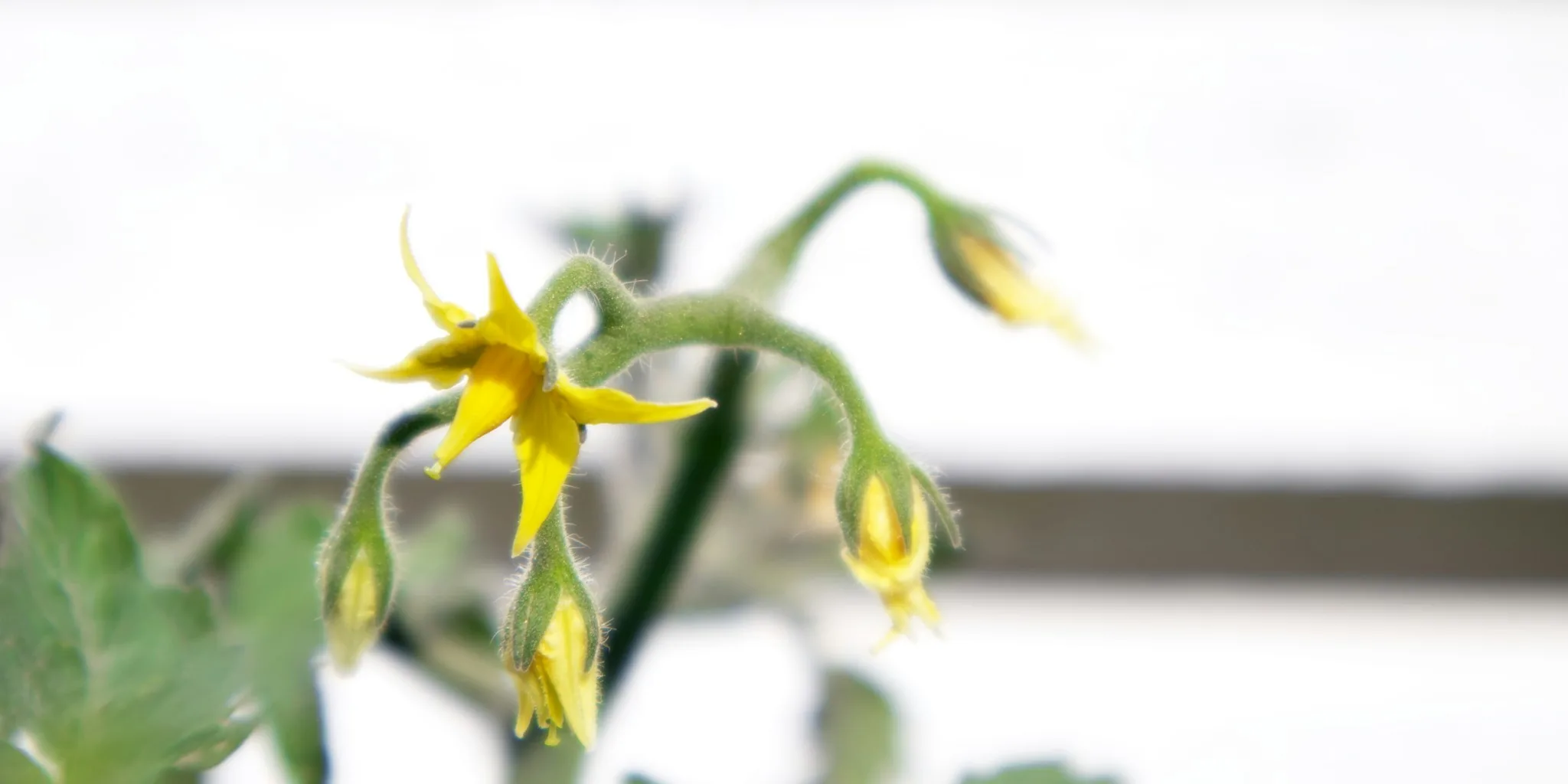

Nothing frustrates a home gardener more than watching tomato flowers drop off without setting fruit. After weeks of healthy growth and vibrant blooms, a sudden halt to production can feel like a lost season. The good news is that late-summer fruit failure is often fixable. Understanding why flowers fail to mature into tomatoes and taking swift action now can still deliver a harvest before cold weather arrives.
Why Tomato Flowers Drop Without Fruiting
Tomato plants signal stress through flower drop. When environmental conditions or care routines fall short, the plant redirects energy away from fruit production. Heat stress ranks among the most common culprits this time of year. Temperatures consistently above 88 degrees Fahrenheit cause pollen to become sterile, preventing pollination from occurring even when flowers appear healthy. Inconsistent watering also triggers the problem, as does over-fertilizing with nitrogen, which pushes the plant to keep growing leaves instead of setting fruit.
Pest damage and disease can also halt production silently. Late-summer infestations of whiteflies, aphids, and caterpillars weaken plants, while fungal diseases like verticillium and fusarium wilt rob the plant of its ability to transport nutrients. Whatever the cause, addressing it immediately gives you the best shot at recovery before the growing season ends.
Cool Your Plants Down with Shade

If your region is experiencing a heat wave, shade cloth becomes your best tool. A light-colored fabric installed on the west-facing side of your plants and draped loosely across the top can lower temperatures by up to 10 degrees. Materials like window screens, row covers, or commercial shade cloth allow light penetration while blocking harsh afternoon sun and UV rays. Deploy shade cloth each afternoon during peak heat or leave it in place until the heatwave breaks.
Mulching around the base of your plants also helps. A 2 to 3 inch layer of wood chips, straw, grass clippings, or chopped leaves conserves soil moisture and keeps root zones cooler. Pair this with consistent watering to maintain ideal soil conditions. The combination addresses multiple stress factors at once.
Master Your Watering Schedule
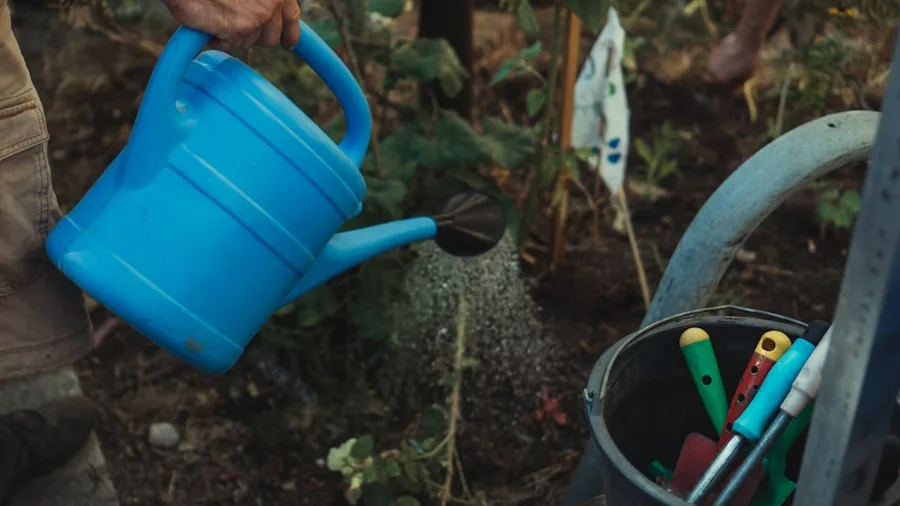
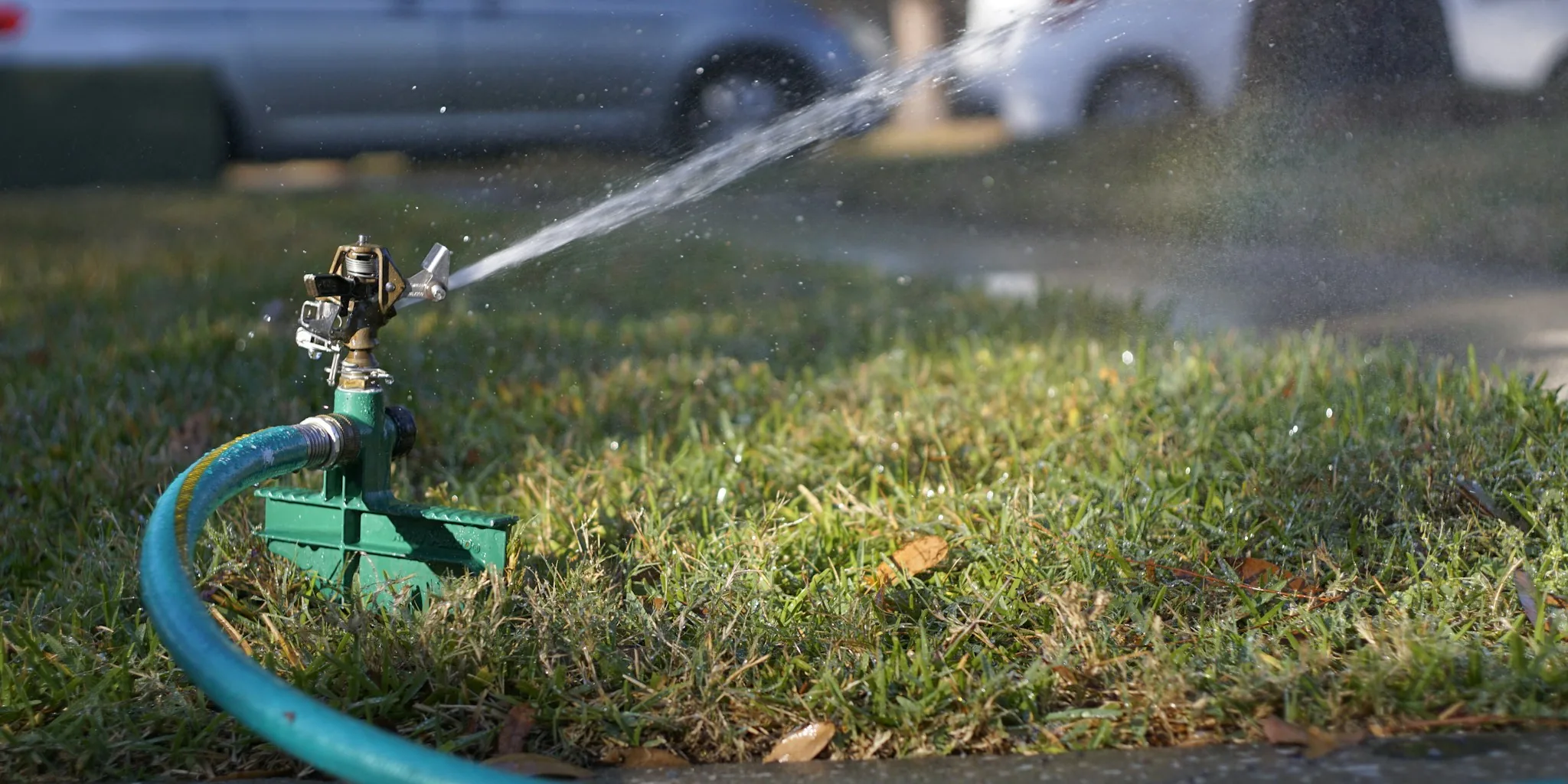
Tomatoes require 1 to 2 inches of water per week during the growing season. Rather than daily shallow watering, deliver two or three deep waterings that encourage roots to grow downward into moister soil layers. Shallow, frequent watering keeps roots near the surface where they dry out quickly and increase plant stress.
The goal is moist soil, never waterlogged. Drip irrigation systems deliver water directly to the soil, minimizing waste and splash. If hand-watering, avoid spraying the lower leaves, which can promote soil-borne diseases. Remove lower leaves entirely if they consistently get wet, preventing fungal infections that weaken the entire plant.
Adjust Your Fertilizer Strategy
By late summer, your tomato plant no longer needs nitrogen-heavy fertilizer that promotes stem and leaf growth. Switch to a tomato-specific formula with higher phosphorus content, such as a 1-3-1 ratio. Apply liquid fertilizers every two weeks according to package directions. Phosphorus encourages flower formation and fruit set rather than additional foliage, redirecting plant energy exactly where you need it during this critical window.
Hand-Pollinate Your Flowers
Poor pollination often goes unnoticed but stops fruit development in its tracks. Since tomato flowers contain both male and female parts, they self-pollinate, but sometimes they need a little assistance. Each morning, gently shake the flower clusters or run an electric toothbrush behind the blooms to vibrate pollen loose. A small paintbrush can transfer pollen from the anther to the stigma manually. Alternatively, position a fan to blow across the plants regularly. Repeat this process daily for several days to ensure successful pollination and fruit set.
Monitor for Pests and Disease
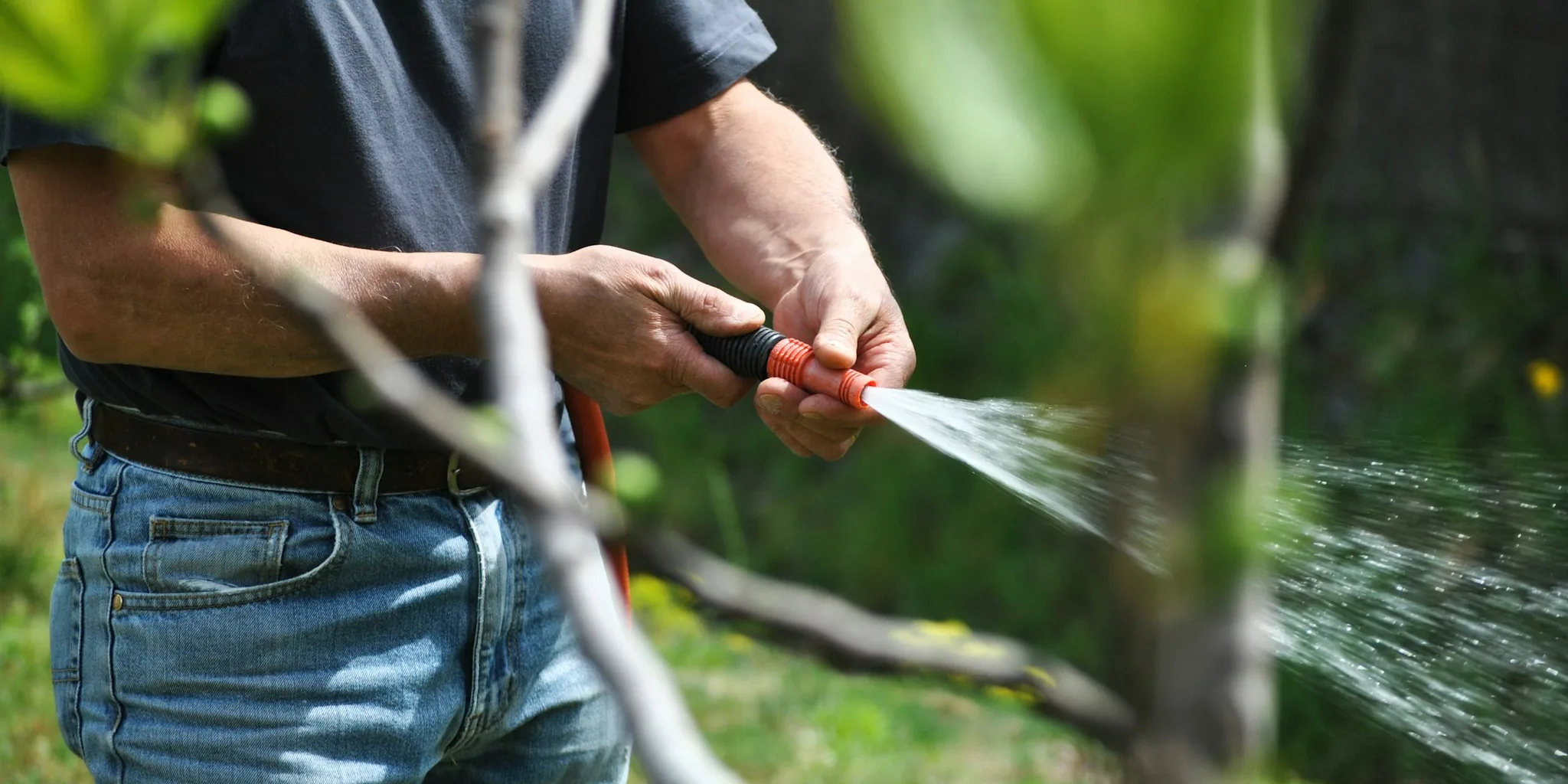
Late summer brings intensified pest pressure. Whiteflies, aphids, caterpillars, and spider mites drain plant resources and reduce yield. Scout your plants regularly and remove caterpillars by hand. Use organic pest controls like insecticidal soap and neem oil when necessary, or blast pests off with a strong spray of water. While planning your late-season garden additions, remember that fungal wilt diseases have no cure, so prevention through disease-resistant varieties is essential.
Act Now to Save Your Harvest
Combining shade, consistent watering, adjusted fertilizing, hand-pollination, and pest monitoring gives your tomato plants every advantage before frost. As you work to revive your current plants, you are also setting yourself up for success in future seasons. Each action you take now strengthens the plant and increases the odds of a robust final harvest. With these proven solutions in place, you can still enjoy fresh, homegrown tomatoes well into fall.

Write Your Review
No reviews yet. Be the first to share your experience!