
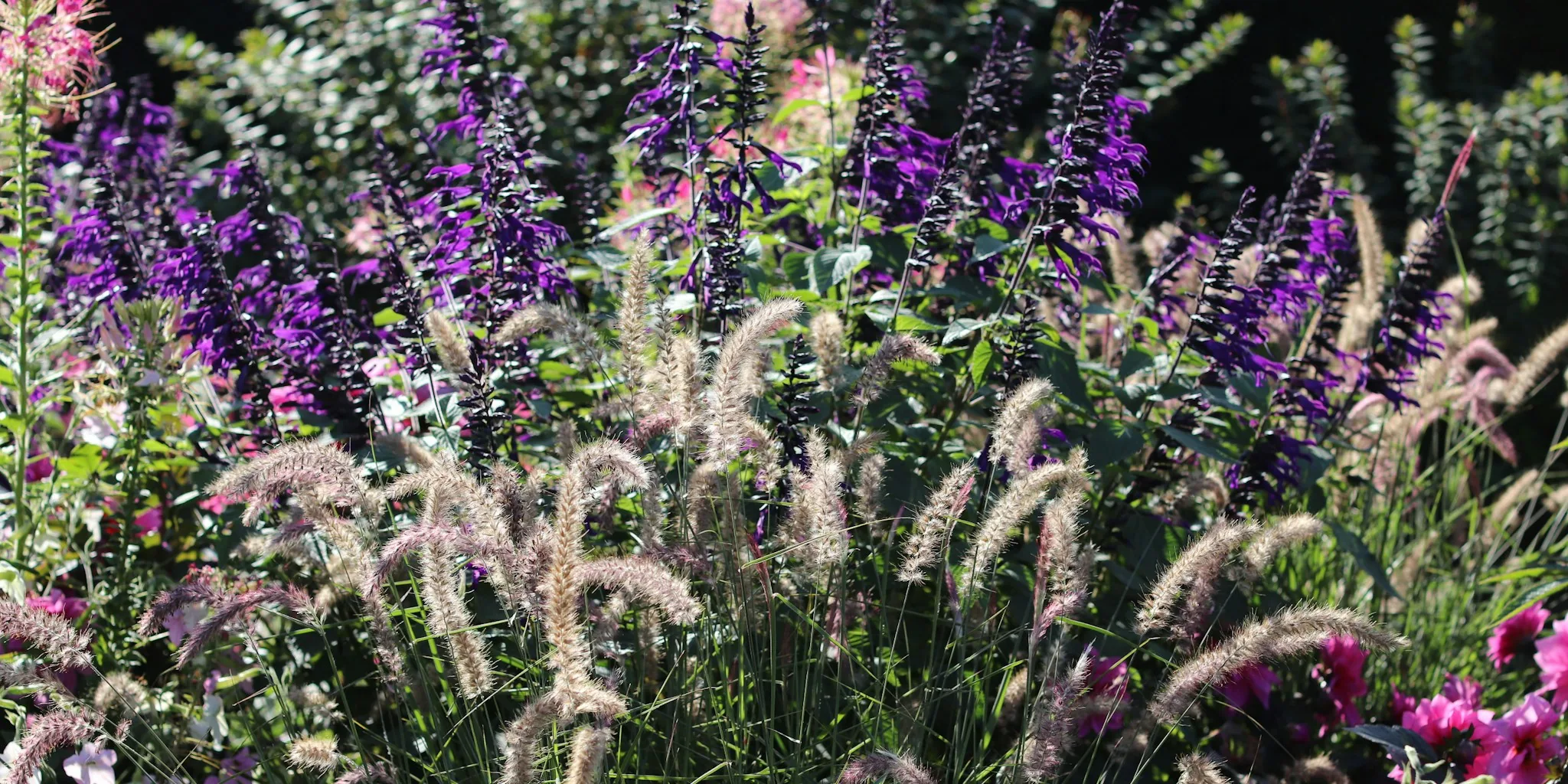

When it comes to maximizing the value of a garden, savvy shoppers and plant lovers are rethinking how they maintain their perennials. Instead of cutting back plants in the fall as many gardeners traditionally do, you can actually keep certain perennials standing to enjoy extended blooms and visual interest across two or even three seasons. This shift in garden strategy means more color, more texture, and more reasons to step outside throughout the year without any additional planting effort.
Why Fall Cutback Timing Matters for Your Garden
The conventional wisdom has long been to tidy up the garden before winter arrives. However, leaving certain perennials in place through the colder months offers surprising benefits. These plants continue to provide aesthetic appeal long after their primary blooming season ends, and they also offer shelter and food sources for wildlife heading into winter. Local birds, native bees, and beneficial insects all depend on standing plant material for survival. By delaying pruning until early spring, you’re supporting your ecosystem while enjoying a more visually interesting landscape. This is particularly important for native wildflowers and plants that have evolved to thrive in your region.
Five Perennials to Leave Standing This Fall
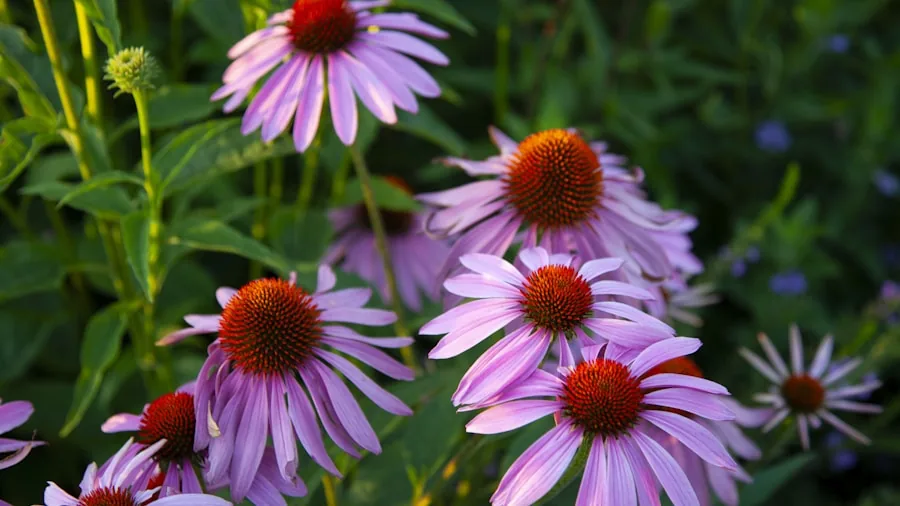
Purple Coneflower: The Long-Distance Bloomer
Purple coneflowers are among the hardest working perennials in any garden. These daisy-like flowers with distinctive drooping petals and dark centers bloom continuously from early summer straight through to the first frost, sometimes extending into late fall. The key to keeping them flowering throughout the season is avoiding an early pruning. If you remove the spent flowers through deadheading, the plant responds by producing fresh buds almost immediately. Leave them standing through winter, and you’ll preserve their structural beauty while creating a feeding station for overwintering birds and beneficial insects. The architectural seed cones remain visually interesting even when dried, adding texture and contrast to a dormant garden.
Black-Eyed Susan: Native Beauty with Purpose
These golden-yellow flowers with dark brown centers bloom from June through September and often push into October. Black-eyed Susans are native wildflowers that adapt remarkably well to garden conditions once established. They’re also prolific self-seeders, meaning they’ll populate your space naturally over time. Leaving the plants intact through winter supports local pollinators and provides food in the form of dried seeds. The foliage also insulates the plant’s root system, which can actually improve the specimen’s health heading into the next growing season.
Autumn Joy Sedum: A Four-Stage Color Show
This succulent perennial offers one of the most dramatic seasonal transformations of any garden plant. Autumn Joy sedum begins with green flowers, transitions to rosy pink, deepens into rich red or salmon throughout summer, and finishes in copper and brown tones by winter. The flat flower clusters attract bees and butterflies, making this plant both beautiful and functional. Its drought tolerance and low maintenance requirements make it an excellent choice for gardeners looking to reduce watering needs during dry periods. Prune these back in early spring once the coppery seed heads have finished their winter performance.
Joe-Pye Weed: Vertical Drama in Multiple Acts
Joe-pye weed is a native perennial that truly earns the title of multi-season performer. Mottled purple-pink stalks can reach 10 feet tall, creating impressive architectural presence before blooms even appear. From July through September, the plant produces massive domed flower clusters in shades ranging from pale pink to deep purple, releasing a vanilla scent that attracts native pollinators. As temperatures drop, the flowers fade to dark bronze, and the dried seed heads provide winter interest and food for birds. This is a plant that transforms your entire landscape perception, and proper watering in its preferred moist locations will help it thrive.
Sea Holly: Spiky Elegance Year-Round
Sea holly stands out with its striking blue-green, deeply lobed foliage and metallic blue, cone-shaped flower heads. This thistle-like perennial grows in stiff, erect clumps and adds color and texture from spring through winter. The electric blue flowers appear in summer and deepen into bronze and silver as autumn progresses. The exceptional architectural structure remains through winter, creating a dramatic silhouette against bare trees and winter skies. This plant’s spiny bracts and foliage require full sun but reward you with minimal maintenance demands.
Planning Your Multi-Season Garden Now
Fall is actually the ideal time to plan next year’s garden, especially if you’re considering adding any of these perennials to your landscape. Rather than removing existing plants, you might already have some of these specimens in your yard without realizing their seasonal potential. Similar to how you can repurpose spent plant material creatively, leaving these perennials standing extends their utility. If you’re expanding your garden beds, consider investing in raised bed systems or landscape materials that will help you establish and maintain new plantings.
By adjusting your fall garden maintenance routine to preserve these five perennials, you’re investing in extended visual interest, supporting local wildlife, and actually reducing your overall garden workload. It’s a win on every level for thoughtful gardeners who want maximum enjoyment from their planting decisions.



Write Your Review
No reviews yet. Be the first to share your experience!