

What Shoppers Need to Know About Holiday Cactus Flowering
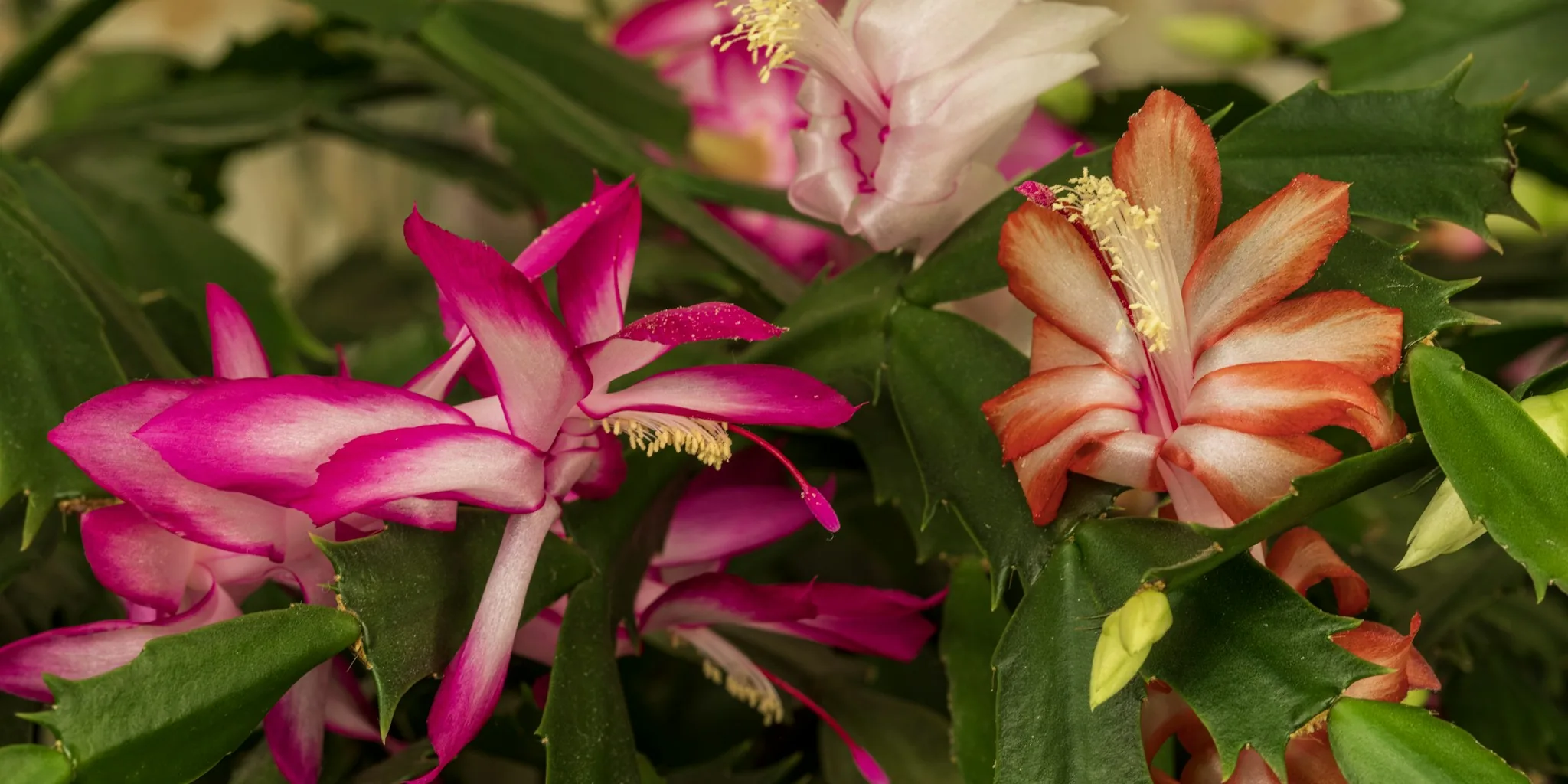
Christmas cactus plants are notoriously picky about when they bloom, and many home gardeners struggle to get flowers to appear in time for the holidays. Recent horticultural insights reveal a proven method to trigger blooming on schedule using simple household materials and controlled light cycles. If you’ve purchased a Christmas cactus expecting festive magenta flowers and felt disappointed by bare stems, understanding the plant’s biological requirements can transform your results.
The Science Behind Christmas Cactus Blooms
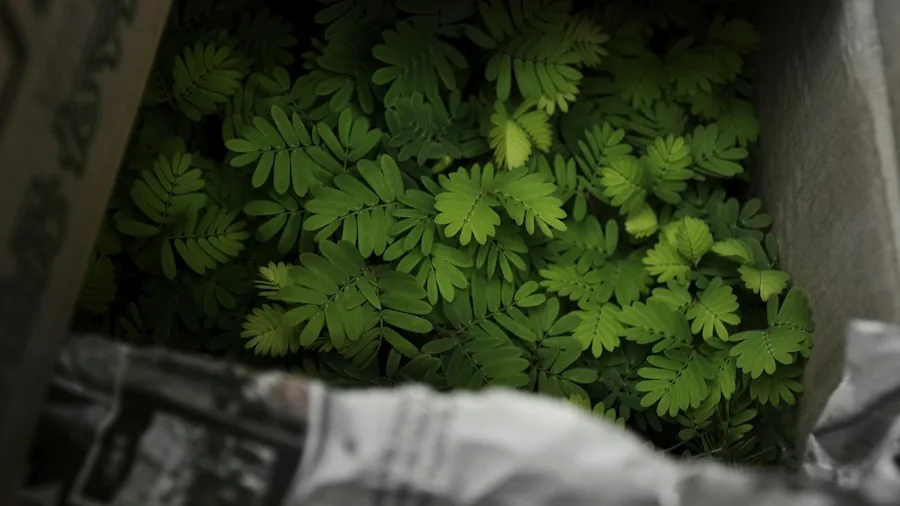
Christmas cacti are sensitive to daylight duration because they use a light-sensitive protein to track seasonal changes. When daylight grows longer during spring and summer, the plant produces new green segments and channels its energy into growth rather than flowering. However, once the plant detects 12 to 14 hours of continuous darkness each night, it shifts its metabolism and begins forming flower buds instead. This biological clock worked perfectly in their native Brazilian rainforest environment, but indoor lighting disrupts the signal. Even minimal light from a television, lamp, or nearby electronics can prevent proper bud formation, which explains why many indoor gardeners struggle to achieve reliable holiday blooms.
Starting Your Dark Treatment Early
The key to success is providing your plant with consistent darkness for 6 to 8 weeks leading up to your desired bloom date. This means beginning the process around mid-October if you want flowers at peak condition by Christmas. To create the necessary darkness, use a breathable, rigid material like a cardboard box or black fabric grow planter that won’t collapse onto the stems. Test your chosen container by placing it over the plant in a dark room and shining a flashlight around the edges; if light seeps through, seal gaps with duct tape. Every evening around 6 p.m., cover your plant, and remove the covering each morning at 8 a.m. Setting phone reminders helps maintain consistency, which is critical because the plant needs uninterrupted dark cycles to properly count down the weeks.
Adjusting Water and Conditions
While your Christmas cactus enters its dark cycle, reduce watering frequency slightly. Instead of watering when the top inch of soil feels dry, allow the top 2 to 3 inches to dry before providing water. This mild drought stress naturally encourages flowering and mimics seasonal conditions. A soil moisture meter removes guesswork and prevents overwatering during this sensitive period. Continue this reduced watering schedule throughout the 6 to 8 weeks of darkness.
Recognizing Bud Formation and Restoring Light
After 6 to 8 weeks of darkness treatment, tiny flower buds will appear along the stem tips. Once you spot these buds, stop the dark treatment immediately and move your plant to a bright location with indirect sunlight. This is when fall plant shopping can help you stock up on the supplies and materials needed to support your flowering cactus. Resume regular watering to keep soil consistently moist, as buds require steady hydration to develop properly. Maintain temperatures between 60 and 70 degrees Fahrenheit for optimal bud development. If your home environment is cooler or darker than ideal, an affordable dimmable grow light can supplement natural illumination without disrupting the blooming process.
Preventing Bud Drop and Extending Blooms
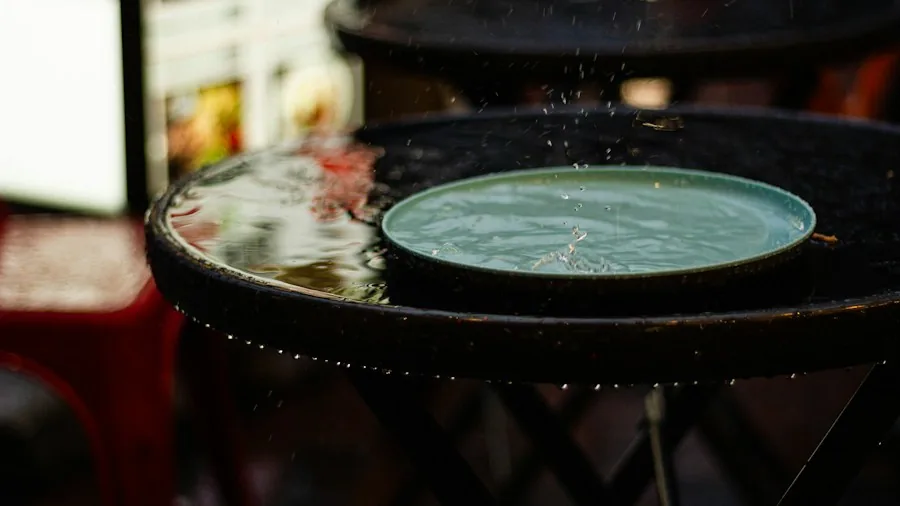
Once buds have formed and your plant is positioned for display, avoid moving the pot or rotating it. Christmas cactus plants are remarkably sensitive to light direction changes; even turning the pot slightly can trigger all those developing buds to drop simultaneously. Choose your final display location before buds plump up and keep the plant there through flowering. A shallow pebble tray placed beneath the pot increases humidity around the plant, mimicking the rainforest conditions where Christmas cacti naturally grow. Keep the tray filled with water, but ensure the pot’s drainage holes sit on pebbles rather than directly in water to prevent root rot. As water evaporates from the pebbles, it creates the humid microclimate that helps buds persist longer and flowers last several days beyond their normal lifespan. You can explore additional seasonal planting options to create a comprehensive holiday garden display alongside your blooming cactus.
Planning for Year-Round Success
Christmas cacti are long-lived houseplants capable of flowering reliably for decades when treated correctly. By understanding their light sensitivity and implementing this straightforward dark cycle technique, you eliminate the frustration of missed holiday blooms. The process requires minimal investment: a cardboard box and disciplined daily routine are your primary tools. Starting your treatment by mid-October ensures buds develop through November and bloom in early December, giving you weeks of festive magenta flowers. Future years become progressively easier as you establish the routine, making this one of the most rewarding weekend gardening projects with exceptional payoff.




Write Your Review
No reviews yet. Be the first to share your experience!