

If you’ve recently noticed your snake plant developing yellow leaves, you’re not alone. This common houseplant issue has left many gardeners scrambling for solutions, but the good news is that yellowing foliage doesn’t spell disaster for your indoor greenery. Understanding what causes the discoloration and how to address it can mean the difference between losing your plant and restoring it to vibrant health.
Snake plants have earned a reputation as nearly indestructible houseplants, which makes it especially unsettling when they start showing signs of stress. The key to successful recovery lies in identifying the specific cause of yellowing and making one careful adjustment at a time rather than overhauling your entire care routine. Rushing into multiple changes at once can actually shock a struggling plant further, delaying recovery or causing additional damage.
The Most Common Culprit: Overwatering and Root Rot
By far, excessive moisture is the leading reason snake plants develop yellow leaves. These plants evolved in desert environments with thick, fleshy roots designed to store water, not sit in soggy soil. When the potting medium stays waterlogged, oxygen becomes unavailable to the roots, allowing fungal pathogens to invade and cause root decay. You’ll recognize this problem by observing translucent yellowing that begins at the leaf base, accompanied by soft, mushy texture and a sour smell emanating from the pot.
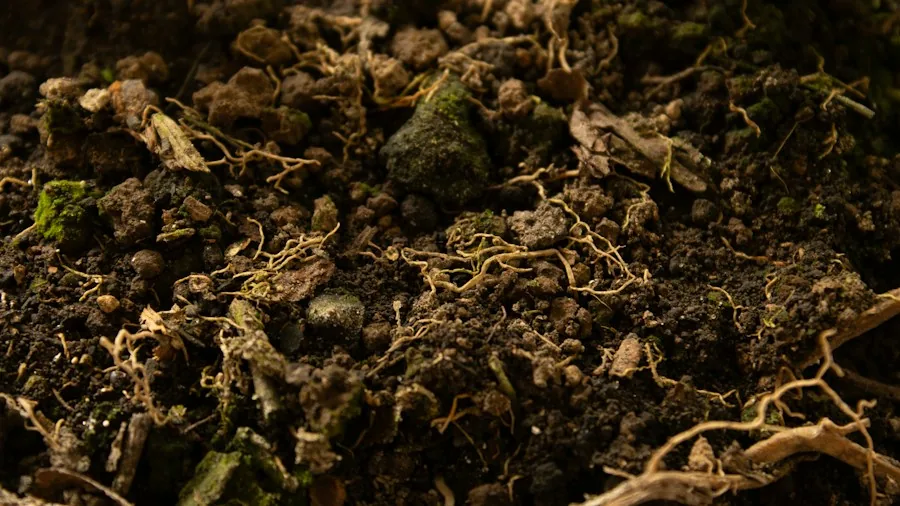
To fix overwatering damage, remove your plant from its pot and gently shake away the saturated soil. Inspect the roots carefully: healthy roots appear firm and creamy white or orange, while rotted roots look dark, soft, and stringy. Using clean, sterile shears, trim away all diseased root tissue back to healthy growth. Don’t hesitate to be aggressive during this step, as leaving infected material behind allows rot to continue spreading even in dry soil. After trimming, allow the bare roots and rhizomes to air-dry on newspaper for a full 24 hours before repotting into fresh, gritty, well-draining cactus and succulent mix amended with perlite. Then wait at least 10 days before watering again.
The Opposite Problem: Extreme Drought
While less common, neglecting your snake plant for extended periods can also trigger yellowing, though the texture tells a different story. Underwatering produces pale, straw-like yellowing with brittle, wrinkled foliage rather than mushy leaves. In severe cases, the soil may even become hydrophobic, repelling water like a raincoat and causing it to run straight out the bottom of the pot without soaking in.
Revive a parched snake plant with a thorough bottom-soaking treatment. Fill a sink or bathtub with about three inches of tepid water and set the potted plant inside for approximately one hour. This allows moisture to be drawn upward into the roots through capillary action. Once the top inch of soil feels damp, remove the pot and let all excess water drain completely before returning it to its usual location.
Temperature Shock and Cold Drafts
Snake plants are native to warm West African regions and prefer temperatures between 70 and 85 degrees Fahrenheit. Placement near cold window panes, drafty entryways, or air conditioning vents causes rapid, patchy yellowing across the outer leaves, often with weak, sagging stems. Variegated varieties prove especially sensitive to temperature fluctuations.
Move your plant to a warm, sheltered spot away from direct air currents. Use a plant stand or cork trivet to prevent cold radiating from tile or hardwood floors, and avoid placing pots directly against radiators, which can cause extreme dehydration.
Light Problems: Both Too Much and Too Little
While snake plants tolerate low light, constant shade prevents efficient photosynthesis, resulting in washed-out, pale yellow foliage. Conversely, harsh direct sunlight can bleach leaves and create pale yellow spots with crisp brown edges. Position your plant in bright, indirect light near an east or north-facing window. If moving from shade to bright conditions, acclimate gradually over 10 to 14 days to prevent leaf scorching.
Dust accumulation on broad leaves also reduces light absorption. Wipe foliage regularly with a damp microfiber cloth to restore the plant’s ability to photosynthesize effectively. When shopping for seasonal plants, check out fall plant sales for great deals on quality specimens.
Hidden Pest Infestations
If yellowing appears as mottled, speckled patches, sap-sucking pests like mealybugs and spider mites may be responsible. These insects hide in the tight spaces where leaves meet at the base. Mealybugs resemble cotton wool, while spider mites leave fine webbing at leaf tips.
Treat infestations early by dabbing visible pests with rubbing alcohol on a cotton swab, then wiping all leaf surfaces with a soft, damp cloth. Spray the entire plant with diluted neem oil, focusing on leaf bases and crevices, and repeat every 7 to 10 days until the infestation clears. Apply treatments in shade or evening to avoid leaf scorch.
When to Accept Natural Aging
Not all yellowing signals a problem. A single lower leaf turning pale yellow or papery while vibrant new growth emerges from the center simply reflects natural senescence, the plant’s normal aging process. In this case, celebrate the fresh growth and allow the old leaf to drop naturally. For other concerns, explore how to maintain thriving houseplants year-round through proper care techniques.
The path to plant recovery requires patience, observation, and methodical problem-solving. By reading both leaf color and texture, isolating your plant to prevent pest or fungal spread, and making changes gradually, you’ll restore your snake plant to its proud, pointed glory.




Write Your Review
No reviews yet. Be the first to share your experience!