
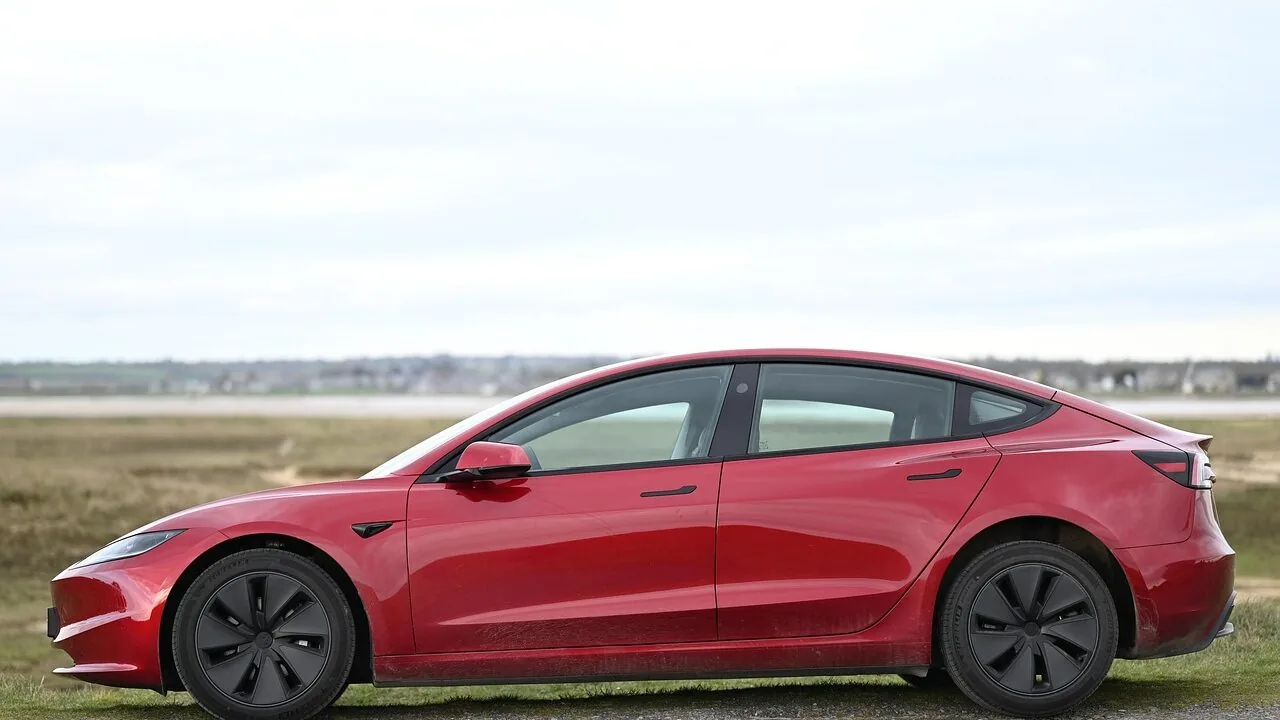

The automotive landscape is shifting dramatically. More than two dozen electric vehicles from manufacturers around the world are set to arrive in the United States between 2026 and 2029, representing one of the biggest waves of EV launches ever. For shoppers, this flood of new options means more choices, more performance tiers, and more reasons to consider going electric when it’s time to buy.
A Gold Rush of New Models
Nearly every major automaker is scrambling to launch electric vehicles. Luxury brands like Ferrari, Bentley, and Jaguar are betting their futures on going fully electric, while established manufacturers such as BMW, Audi, and Land Rover are electrifying their most popular model lines. Even smaller, niche producers like Caterham are entering the EV space with specialized vehicles.
The 2026 to 2027 timeframe is particularly crowded. The BMW i3 is expected in late 2026, followed by its high-performance iM3 variant in 2027. Land Rover will debut its fully electric Range Rover in 2026, with the Range Rover Sport EV arriving in 2027. German performance brand Audi is launching a new electric sports car inspired by the radical Concept C, and it will share underpinnings with the upcoming Porsche 718 EV.
Luxury and Performance Lead the Charge
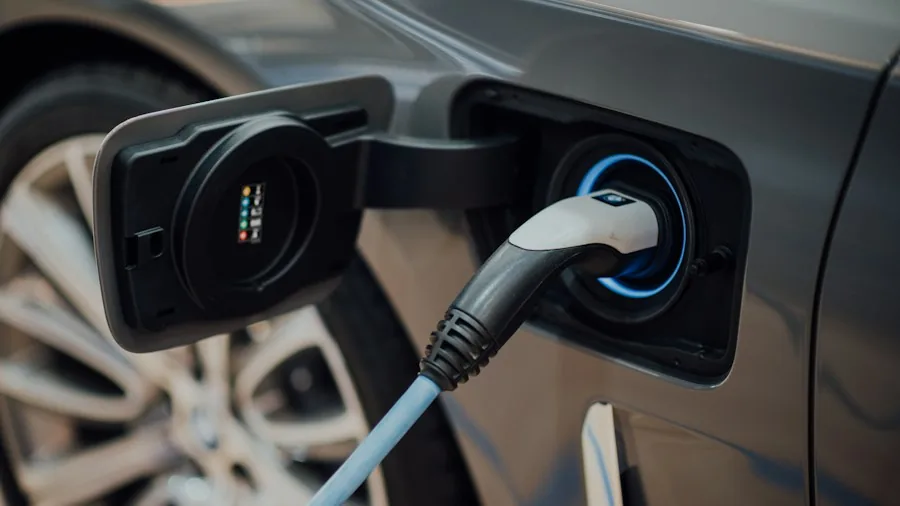
If you’re in the market for premium electric vehicles, the next few years offer unprecedented options. Ferrari’s first-ever EV, the Luce, combines controversial four-door design with a quad-motor powertrain producing 1,035 horsepower and acceleration to 62 mph in just 2.5 seconds. Bentley is introducing the Torcal, its first EV, with 876 horsepower and 2.8-second acceleration that makes it the quickest Bentley ever built.
Jaguar is reinventing itself as a luxury EV-only brand, starting with the Type 01 grand tourer in 2027, which will feature over 986 horsepower and an estimated 430-mile range. For those considering performance variants, buyers exploring EV options will notice that charging speed and battery range now matter as much as horsepower. Hyundai’s new Ioniq 6 N sport sedan will deliver 601 horsepower with a boost function that temporarily increases output to 641 horsepower, reaching 60 mph in 3.2 seconds.
Affordable Options Are Coming Too
Not everything on this list carries a six-figure price tag. Ford is developing the Fathom, a compact electric pickup truck expected to start at $29,945, making it one of the most affordable new EVs announced. The Fathom will use lithium-iron-phosphate batteries and a 400-volt architecture to keep costs down, though shoppers should expect slower charging speeds and potentially shorter range than premium alternatives.
The Caterham Project V, priced around $135,000, offers a different value proposition, delivering a lightweight electric sports car with 268 horsepower from a Yamaha motor and a unique split battery configuration. Automotive enthusiasts attending preview events for upcoming EVs consistently report that hands-on experience with new technology makes the purchase decision clearer.
Technology and Charging Are Evolving Fast

Many of these new EVs feature 800-volt electrical architectures that enable rapid charging. The BMW i3 will support 400-kilowatt fast-charging, while the Ferrari Luce and Range Rover models can recharge at up to 350 kilowatts. These improvements mean less time at the charging station and more practical daily usability.
Interior technology is also advancing. BMW’s new models will include full-width displays running along the base of the windshield, complemented by trapezoidal touchscreens. Genesis is pushing the envelope with a 23.6-inch touchscreen that rises when the car is parked, enhancing the video-viewing experience. Several manufacturers are even adding simulated engine noises and gearshift functions to make electric driving feel more engaging.
What This Means for Shoppers
The sheer volume of upcoming EVs gives buyers leverage. If you’re interested in going electric, waiting until 2027 or 2028 could provide significantly more options across price points and vehicle types. Range anxiety becomes less relevant as batteries grow larger and charging infrastructure improves. Many of these vehicles will exceed 300 miles of range, with some promising nearly 450 miles on a single charge.
However, timing matters. Tariffs and market conditions could delay some launches. Shoppers watching luxury SUV announcements should monitor how global trade policies affect availability and pricing of imported vehicles. Alpine, the French performance brand, recently postponed its U.S. market entry plans due to import tariffs, pushing its launch from 2027 to 2030.
The bottom line: if you’ve been hesitating about buying an EV, the next few years will offer more compelling reasons to make the switch. Performance has stopped being a compromise, luxury brands are betting their reputations on electric powertrains, and prices are becoming more accessible. Whether you want a practical truck, a high-performance sedan, or an exclusive supercar, the electric future is nearly here.






Write Your Review
No reviews yet. Be the first to share your experience!