
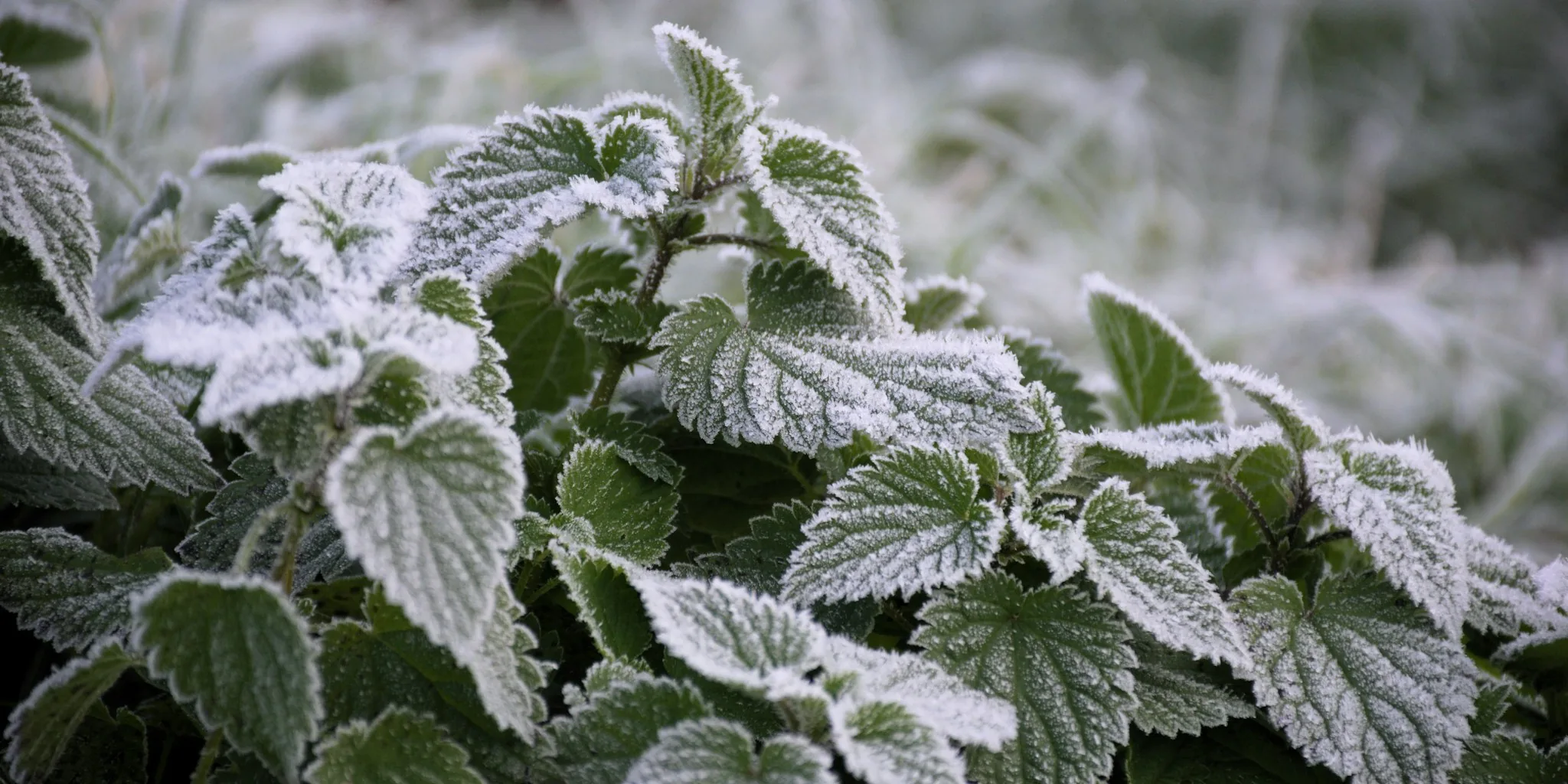

As autumn arrives and frost warnings begin circulating across the country, container gardeners face a critical decision: how to keep their potted plants alive through the colder months ahead. Without proper preparation, treasured plants can suffer irreversible damage or fail to survive the winter entirely. Understanding three essential protection strategies can mean the difference between a thriving spring garden and disappointing losses.
The Challenge of Container Plants in Cold Weather
Container gardening offers flexibility that in-ground beds simply cannot match. Pots allow you to experiment with color combinations, relocate plants to refresh your landscape, and maximize greenery in limited outdoor space. However, this very portability comes with a winter drawback: potted plants face far greater cold exposure than their ground-planted counterparts. Because roots in containers lack the insulating buffer of surrounding soil, they become vulnerable to temperature swings and freezing damage.
Given unpredictable weather patterns affecting North American winters, taking action now is more crucial than ever. The three priorities below address the most common protection gaps that damage or kill container plants when temperatures drop.
Priority One: Move Tender Plants Indoors Early
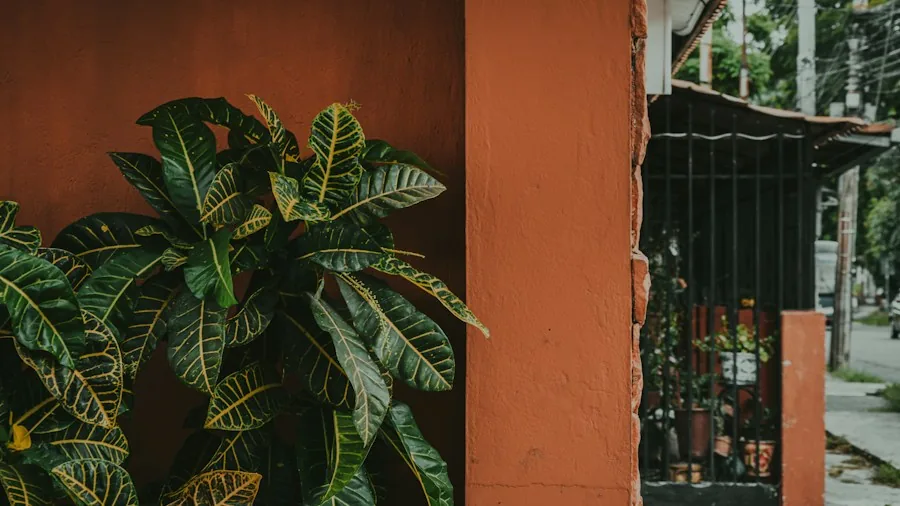
The first and most important step is identifying which plants in your collection cannot tolerate freezing conditions. Tropical specimens, tender perennials, and many summer-flowering varieties fall into this category. Rather than waiting until frost is forecasted, professional gardeners recommend moving these plants while weather remains mild enough for them to acclimate to their new environment.
Tropical plants, tender perennials, and frost-sensitive varieties should be relocated to a frost-free location such as an indoor space, greenhouse, conservatory, or unheated garage, depending on their light needs. Before moving plants inside, inspect leaves, stems, and soil carefully for pests that might hitchhike indoors. When possible, transition plants gradually to their winter location rather than moving them directly from bright patios into dark corners, which can stress the plant further.
Priority Two: Cluster Hardy Containers in Sheltered Spots
Plants that can tolerate cold temperatures can remain outside, but they still benefit from strategic placement. Grouping containers together in a sheltered location reduces wind exposure and simplifies applying additional protection measures. The key is positioning pots against a sheltered wall or fence while ensuring they are grouped with plants with similar watering and light needs.
When clustering containers, avoid blocking drainage holes or allowing pots to sit in standing water, which creates additional stress on roots during winter. Elevating pots slightly on pot feet or bricks further aids drainage. Choose locations that offer wind protection without becoming waterlogged, since cold soil combined with excessive moisture creates conditions that stress or kill roots far more readily than cold alone.
Priority Three: Insulate Pots and Roots
Many gardeners overlook the fact that insulating roots is just as important as protecting foliage. Container roots sit exposed to cold air on all sides, making them vulnerable to temperature fluctuations. Two complementary approaches address this problem effectively.
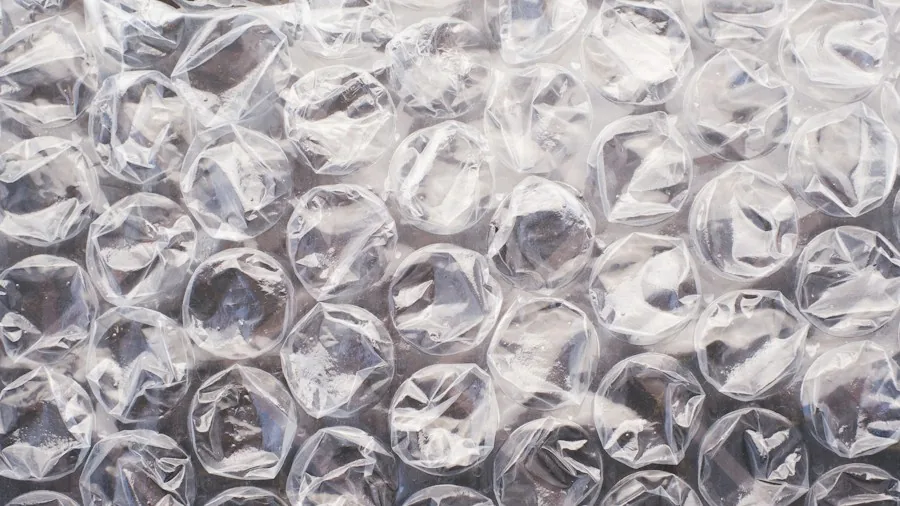
Wrapping the exterior of pots with bubble wrap or hessian fabric provides an insulating layer that slows heat loss through container walls. This step proves particularly valuable for terracotta pots, which can crack when internal moisture freezes and expands. As you prepare your garden for the dormant season, adding a layer of mulch over the soil surface inside containers offers additional root protection. Well-rotted compost, aged manure, bark chips, straw, or shredded leaves all work effectively, depending on the plant species.
Maintain a small gap between mulch and plant stems or crowns to prevent rot. Ensure excess water drains freely after rain or watering, as trapped moisture negates the benefits of insulation.
What Insulation Cannot Do
Insulation reduces temperature swings and protects roots but cannot transform a frost-tender plant into a cold-hardy one. If your containers hold plants that cannot survive freezing temperatures, insulation alone is insufficient. These specimens must be moved to frost-free shelter. Think of insulation as a supporting measure for hardy plants, not a substitute for proper plant placement when freezing weather arrives.
The Bottom Line for Shoppers
Before the first hard frost arrives, take three simple actions: identify and move tender plants indoors, group hardy containers in windbreaks, and wrap pots while adding mulch protection to soil. This modest investment of time now pays dividends in spring when your container garden awakens healthy and vigorous rather than diminished or lost entirely. Winter preparation is not complicated, but it is essential for anyone who wants to enjoy a fuller, more vibrant garden when warm weather returns.



Write Your Review
No reviews yet. Be the first to share your experience!