
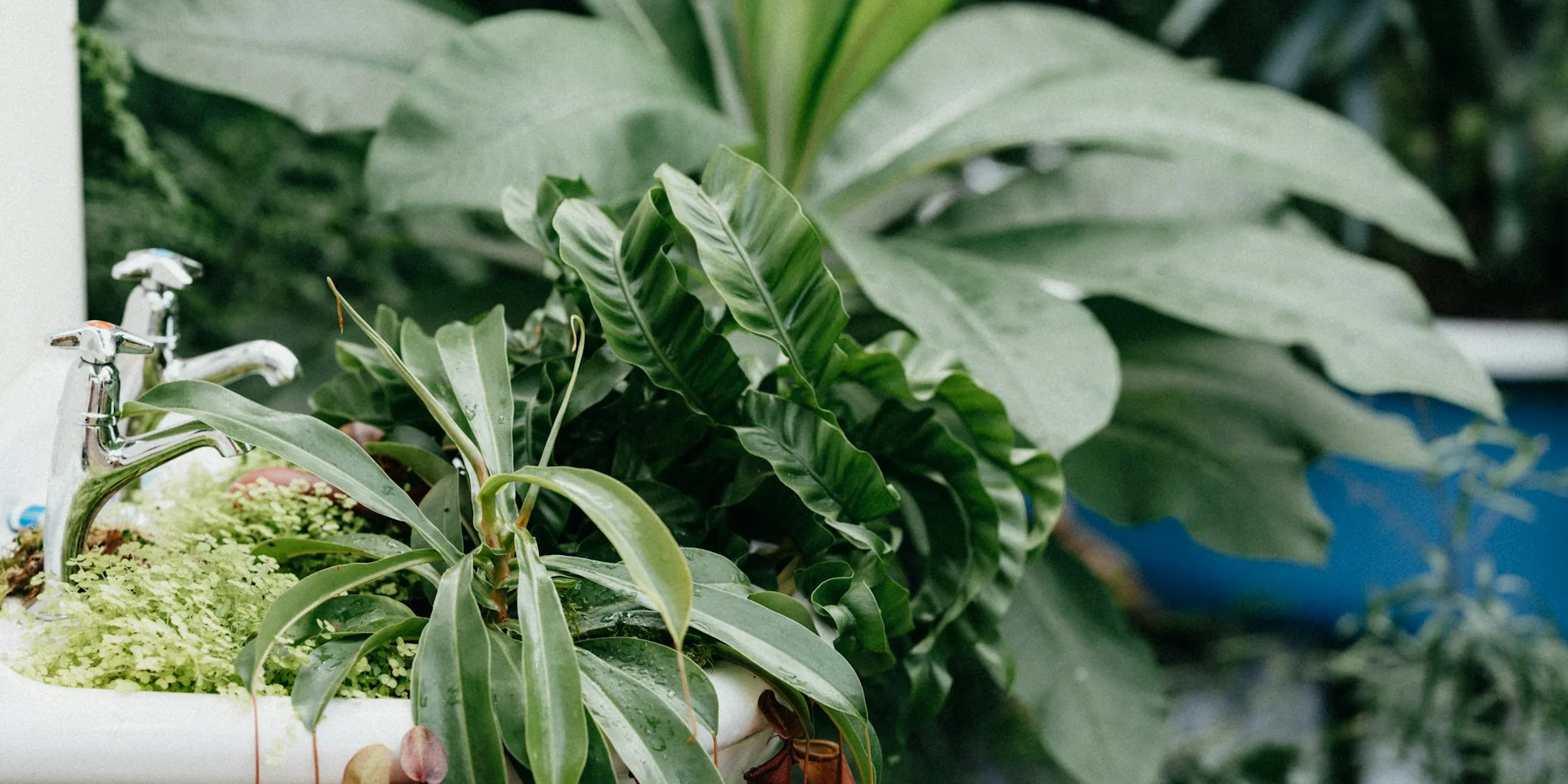

Recycling kitchen waste into houseplant fertilizer has become a popular trend, but shoppers need to understand what actually works and what can harm their greenery. A growing number of gardeners are turning to common scraps like coffee grounds, eggshells, and banana peels to enrich their potting soil, but preparation methods matter far more than the scraps themselves.
The Safe Preparation Method That Makes the Difference
Raw kitchen scraps dumped directly into plant soil create problems. Wet, chunky food fragments trap moisture, invite mold, and attract household pests like gnats and fungus flies. The key is processing: drying, grinding, brewing, or composting scraps before they touch your plant’s soil. This breaks down organic matter so roots can actually absorb nutrients, rather than allowing it to rot and decay in your pot.
Indoor worm composting has become the simplest approach for homeowners. Compact worm bins transform food waste into rich vermicompost within 8 to 12 weeks, producing a pest-free, nutrient-dense amendment that’s safe to work into potting mix. The process is hands-off once you set it up, making it an ideal winter project while houseplants slow their growth and need less feeding.
Six Kitchen Scraps That Actually Boost Plant Health
Coffee grounds contain nitrogen, but only once soil microbes break down the organic matter. Spread used grounds on a baking sheet to dry, then blend them into fresh potting mix at no more than 5 to 10 percent by volume. Avoid flavored coffees with synthetic oils or syrups, as these can harm delicate roots.
Eggshells are rich in calcium carbonate, which strengthens plant cell walls and supports new leaf growth. However, whole shells dissolve at an extremely slow rate. Instead, rinse away any egg residue, let shells air-dry for two days, then grind them into a fine powder using a food processor or mortar and pestle. For faster nutrient availability, soak the powder in mild lemon juice or vinegar for 24 hours before applying to soil.
Banana peels contain potassium that regulates water uptake and encourages flowering, plus trace phosphorus and magnesium. Never bury raw chunks in pots, as dense, sugary peels rot sluggishly and attract fruit flies. Instead, chop peels small and run them through a compost bin, or dehydrate them in a low oven until crispy, grind into powder, and sprinkle into soil.
Plain steeped tea leaves offer gentle organic matter and trace nitrogen. Tear open tea bags and discard the pouch (most contain plastic), then spread loose leaves on a paper towel until dry. Once monthly in spring and summer, lightly fork a teaspoon into topsoil for moisture-loving plants like ferns and pothos. Stick to unflavored black, green, white, or pure herbal teas without milk, sugar, or additives.
Vegetable scrap water provides a gentle mineral boost. Save cooled, unsalted water from boiling or steaming carrots, potatoes, broccoli, or leafy greens, and use it at room temperature instead of plain water once or twice monthly. Discard any leftovers after 24 hours to prevent bacterial growth. Alternatively, bury solid vegetable trimmings in an indoor worm bin.
Rice water from rinsing uncooked rice contains trace nitrogen, phosphorus, potassium, and B vitamins. The mild starches also feed beneficial soil microbes. Use fresh, unsalted rinse water on the same day, applied once monthly in place of regular watering. Never store rice water to ferment, as it quickly breeds foul-smelling bacteria.
What Never Goes in Your Plant’s Pot
Meat, fish, dairy, and oily foods rot rapidly indoors, creating odors and attracting flies. Salty cooking liquids like pasta water or soup broth accumulate sodium in closed pots, drawing moisture from roots and causing crispy brown leaf tips. Sugary sauces, fruit juices, and citrus rinds trigger fungal growth and attract ants. Even small amounts of salt or sugar compound over time, so these materials should stay in the trash.
Monitoring and Best Practices
After adding kitchen scraps to your pots, check for white mold or pest activity over the next two to three weeks. Ensure every pot has unobstructed drainage holes, and allow the top soil layer to dry between waterings. If mold appears, scrape it off immediately. Understanding proper watering techniques becomes even more critical when amending soil, as excess moisture increases mold risk.
Kitchen scraps are meant as gentle supplements, not replacements for quality potting soil and balanced seasonal feeding. When winter arrives and plants enter dormancy, this is the ideal time to prepare your scraps through composting or drying, so you have nutrient boosters ready for spring growth. By taking time to prepare materials properly, shoppers can sustainably enrich their houseplants while reducing kitchen waste.





Write Your Review
No reviews yet. Be the first to share your experience!