
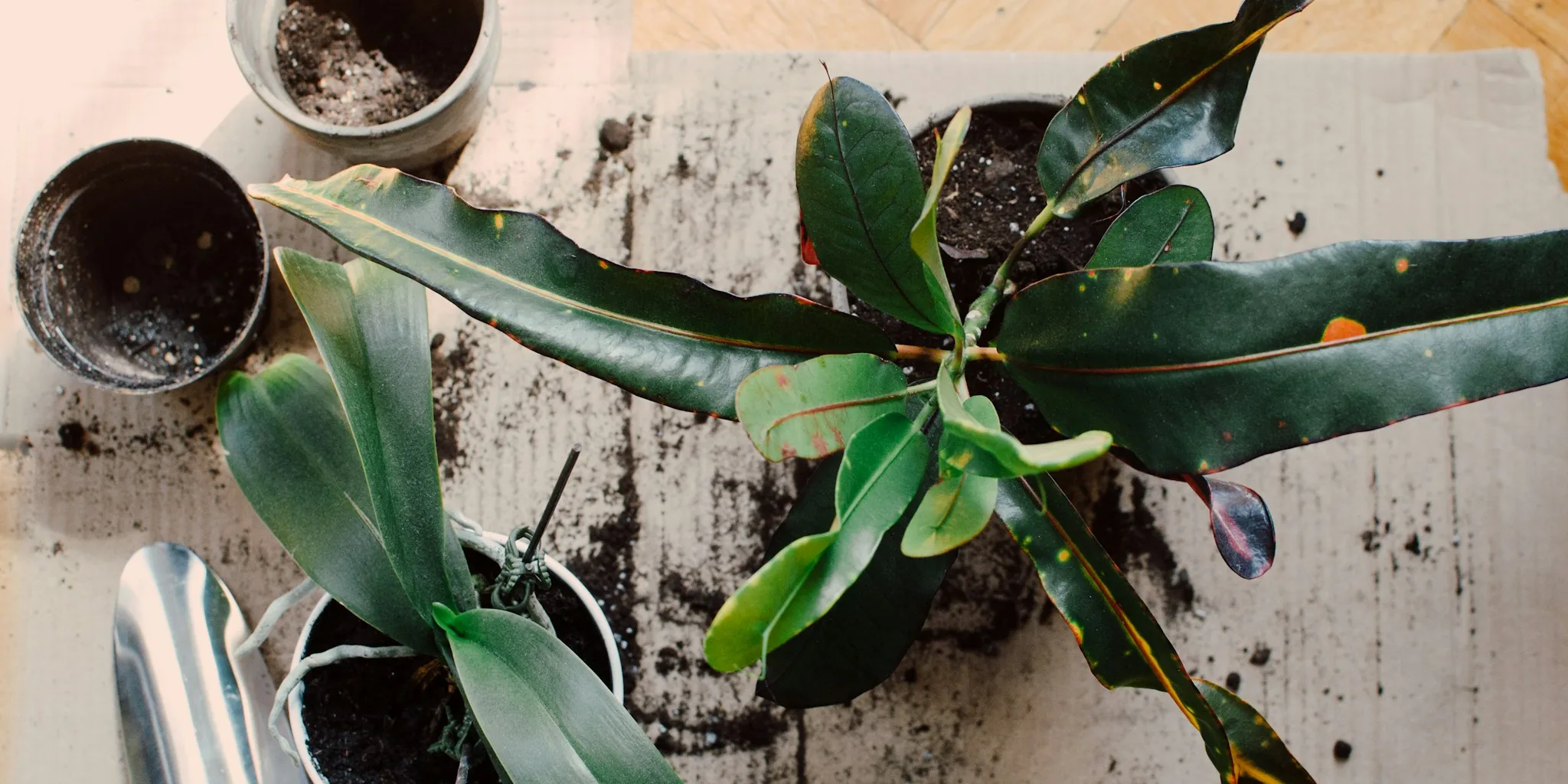

Overwatering remains one of the biggest mistakes plant owners make, and fall is when it becomes an especially costly error. As days grow shorter and sunlight weakens, plant growth naturally slows down. A pot that dried out in days during summer can now stay soggy for weeks, creating the perfect conditions for root rot. Your fingers can only probe the top inch of soil, leaving you guessing about what is happening deeper down where the roots actually sit. That gap in information leads many shoppers to water too often, causing yellowing leaves and weak growth.
How the Chopstick Trick Works
A simple wooden chopstick solves this problem at virtually no cost. Unlike your finger, a bamboo stick reaches all the way to the bottom of the pot, and bare wood has a built-in moisture detector: it darkens wherever it touches wet soil. Push a clean, dry chopstick straight down into the root zone, wait about 30 seconds to a minute, then pull it out slowly. If the wood shows a dark band near the bottom with soil clinging to it, the lower part of your pot still has moisture, even if the top appears dry. A pale, clean stick means the soil has dried out at that depth.
The science is straightforward. Wood absorbs water, so damp potting mix will stain it visibly and cause soil particles to stick. Dry mix behaves differently, with particles simply falling away. Think of it like the toothpick test bakers use on cakes, except here a clean stick is actually the sign you are looking for.
However, one critical rule applies: use only plain, untreated wood. Lacquered or painted chopsticks shed water and won’t darken reliably. Plastic alternatives only show you whatever soil happens to cling to them, which is rarely enough to give you accurate information.
Setting Up Your Moisture Test
Start with a completely dry stick, since any leftover dampness from a previous check will throw off your reading. Standard chopsticks work fine for small and medium pots, but if you have floor plants in deep containers, 12-inch bamboo skewers are worth stocking. A pack of 100 costs just a few dollars and lasts indefinitely. Insert the stick partway between the main stem and the rim, pushing straight down. If you feel resistance from thick roots, ease off and try another spot rather than forcing through, which can damage them.
Keep the stick in place for about 30 seconds to allow the wood time to absorb any moisture present. Pull it out slowly and examine the entire length. A dark band near the bottom with soil clinging to it shows the lower part of the pot is still wet, even if the top inch came out clean and dry.
Different Plants, Different Watering Needs
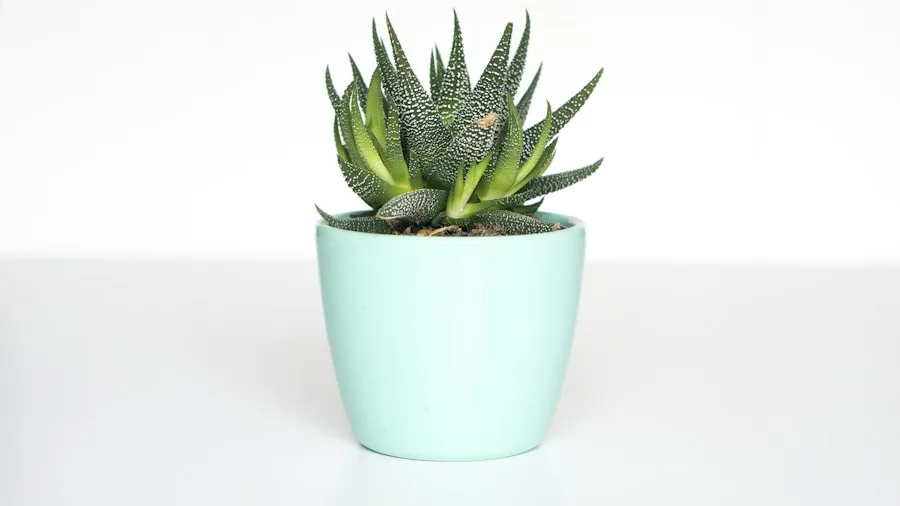
Understanding your test results requires knowing what each type of plant prefers. Peace lilies need their mix kept moist but never waterlogged, so water once the stick starts coming out dry through the upper section. Delay much longer and the entire plant usually droops noticeably. Pothos can tolerate drier conditions. Wait until the stick comes out dry through a substantial portion of the pot before watering. Snake plants and other succulents are the most drought tolerant. They are safest when the stick comes back completely clean from top to bottom, and in winter may need water only every month or two. Understanding these differences in plant water needs helps you keep your collection thriving year-round.
When the Chopstick Method Needs Backup
This technique has limits. Chunky orchid bark is the biggest problem because those coarse pieces are too large to stick to wood, and water gets absorbed inside each chunk rather than sitting on the surface. You can pull out a seemingly dry chopstick from an orchid pot that is actually quite moist. Gritty or very coarse mixes create the same confusion. Severely rootbound plants present another challenge because there is barely any mix between the roots, the stick won’t penetrate easily, and water poured on top may run straight down the sides and out the drainage holes without soaking in properly.
Use the chopstick as one clue among several. Pick the pot up right after watering and again a few days later to learn how light it feels when dry. Yellowing lower leaves on a heavy pot typically point to too much water, so check both your stick reading and the plant’s appearance together. Make sure every pot drains freely. Clear nursery pots with drainage holes let you see roots and dark, wet mix through the sides, providing additional visual confirmation.
A calendar approach to watering fails because conditions change with the seasons. A schedule that works perfectly all summer can leave roots waterlogged once fall arrives and light drops off. Keep a dry chopstick next to your watering can as a simple, cost-free tool that adapts to your plant’s actual needs as the year progresses.



Write Your Review
No reviews yet. Be the first to share your experience!