

Andretti Formula E Cars Get Tokyo Night Race Makeover: What Buyers Should Know
Formula E is bringing electric racing excitement to Tokyo with its first-ever night race, and Andretti’s two racing vehicles are turning heads with a striking new design collaboration. The team has partnered with Liberty Walk, a renowned Japanese tuning company, to create custom silver-and-blue liveries for the Gen3 cars competing in this groundbreaking event. This partnership blends cutting-edge motorsport technology with Japanese street-racing heritage, creating a visual spectacle that should capture attention both on and off the track.
The Tokyo Event and What It Means for Racing Fans
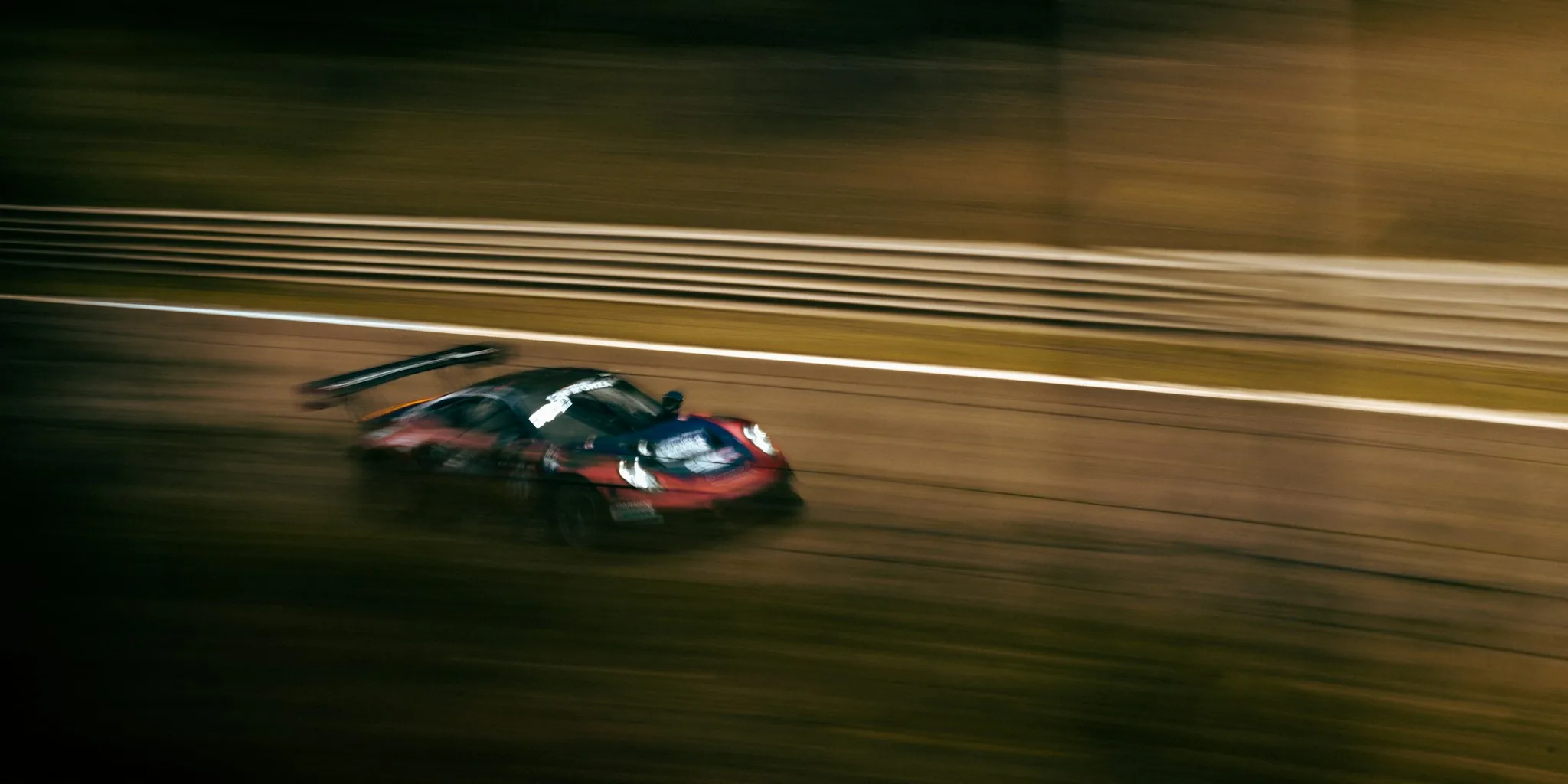
Tokyo’s first Formula E night race represents a major milestone for the sport in Japan. The circuit features 18 challenging turns compressed into just 1.6 miles around Tokyo Bay, with unforgiving Armco barriers that punish any driving error. These tight, technical conditions demand precision and speed from drivers, making this one of the most demanding venues on the Formula E calendar. The nighttime setting amplifies the drama, transforming an already intense racing experience into something truly spectacular for spectators and broadcast viewers worldwide.
Andretti currently runs third in the Formula E team championship, and the team appears to be banking on a combination of engineering skill and local cultural relevance to boost performance at this crucial venue. The choice to collaborate with Liberty Walk isn’t just about aesthetics, though the visual impact is undeniable. By connecting with a Japanese tuner steeped in automotive culture, Andretti is signaling respect for the local market and the Japanese racing community.
Liberty Walk: From Street Culture to Track Design
Liberty Walk has built its reputation since the early 1990s by pushing the boundaries of what’s possible in automotive customization. The Nagoya-based company has tackled everything from Japanese classics like Nissans and Toyotas to European exotics including Lamborghinis and Ferraris. The outfit is known for extreme modifications: widebody kits, slammed suspensions, and bold paint schemes that turn heads wherever they appear.
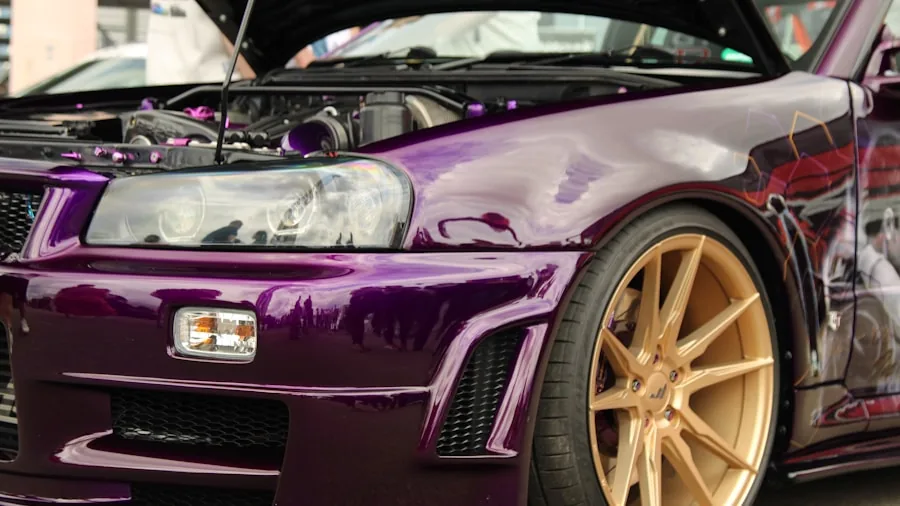
The silver-and-blue livery created for Andretti’s Tokyo cars channels the iconic Nissan R34 Skyline, a car immortalized in street-racing culture and movie franchises. This design choice taps into decades of Japanese automotive legend, from the era of underground midnight street racing around Tokyo Bay to modern-day global car culture. Liberty Walk’s signature approach usually features stark white paint with a red Rising Sun roundel, but this design represents a throwback to a different era of Japanese tuning: one defined by speed, midnight runs, and legendary performance machines.
What This Means for Car Enthusiasts and Consumers
While Formula E might seem disconnected from everyday vehicle purchases, the sport actually serves as a testing ground for electric vehicle technology that eventually makes its way into consumer cars. Racing teams push battery performance, thermal management, and electrical efficiency to their limits, and insights gained on the track inform the development of faster-charging, longer-range electric vehicles for regular drivers.
The partnership between a racing team and a customization specialist also highlights how car culture evolves. Modern automotive enthusiasts care about more than raw performance, they value the story, heritage, and aesthetic choices behind a vehicle. When you’re shopping for your next car setup, whether electric or traditional, you’re benefiting from innovations developed through racing programs and design collaborations like this one.
Tokyo’s illegal street-racing days are long gone, replaced by enforcement and speed cameras that ended most extra-legal high-speed driving. But this month, racing returns legitimately to Tokyo’s streets through Formula E. The sport captures the thrill and speed of those legendary late-night runs while keeping everything above board and safe for participants and spectators alike.
The Technical Challenge Ahead
Andretti’s drivers will need every advantage for success at this venue. The 1.6-mile circuit’s 18 turns demand constant steering input, making driver fitness and focus critical factors. The nighttime conditions add another layer of difficulty, as reduced visibility requires superior lighting systems and driver concentration. Teams will rely on advanced telemetry, data analysis, and split-second decision-making to navigate the tight course.
The racing program also showcases how charging technology and power management have advanced. Modern electric vehicles can maintain high performance for extended periods, a capability that Formula E vehicles demonstrate at their absolute limit. For consumers evaluating electric cars, watching professional racing provides insight into real-world battery reliability and efficiency under extreme conditions.
Liberty Walk’s involvement adds an entertainment factor that’s increasingly important for racing series trying to grow their audience. The custom liveries make the cars visually distinctive and memorable, helping fans connect emotionally with the team and drivers. This kind of cultural relevance, combined with the technical excellence of Formula E racing, positions the Tokyo event as a must-watch moment in the racing calendar.
Write Your Review
No reviews yet. Be the first to share your experience!