
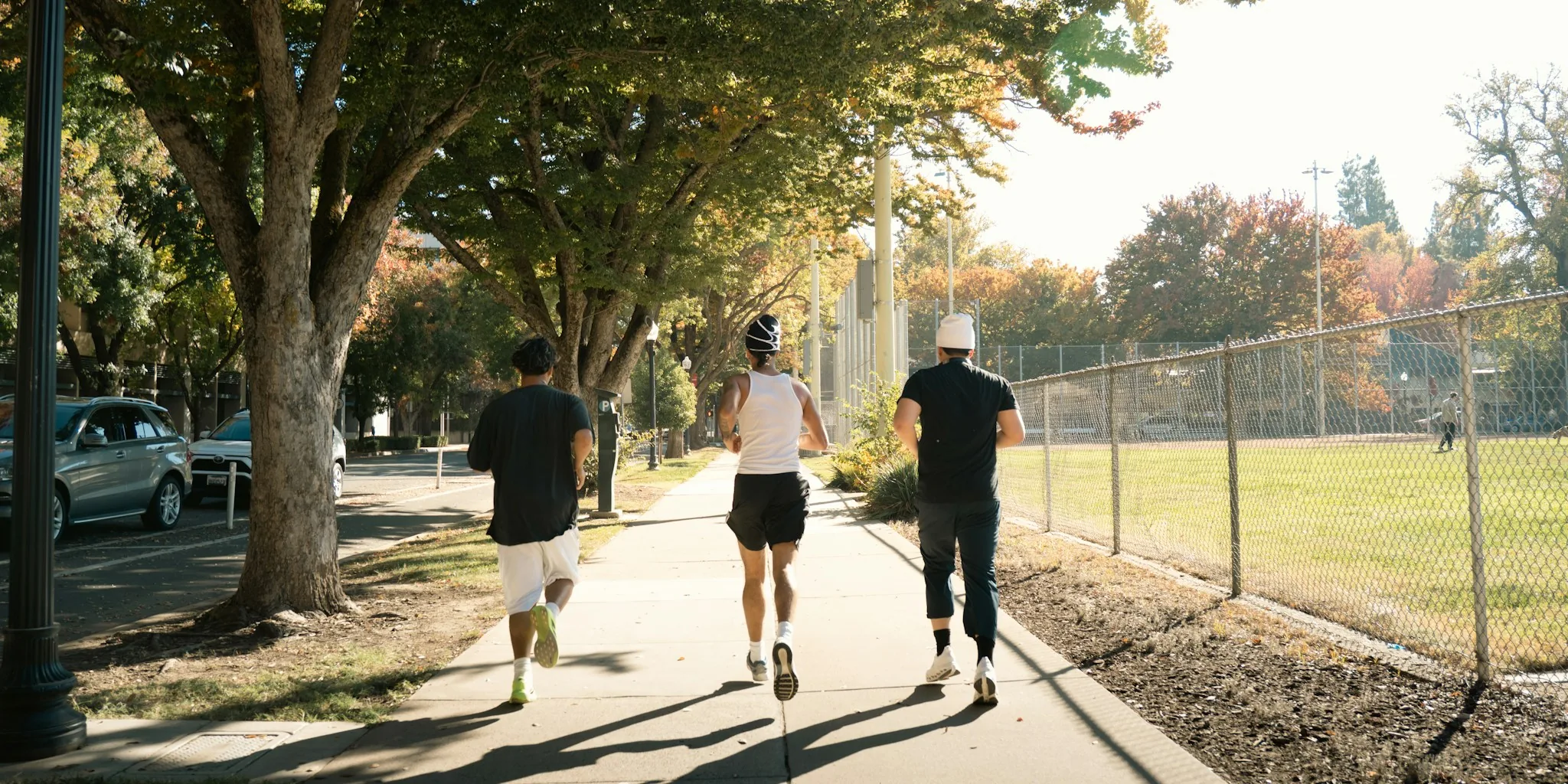

Why Your Solo Workout Feels Harder Than It Should
Most of us have experienced it: a workout that feels manageable when done with friends but nearly impossible when tackled alone. You follow the same training plan, run the same pace, and hit the same distance, yet the physical and mental experience couldn’t feel more different. Recent scientific research offers a compelling explanation for this common phenomenon, and understanding the mechanism behind it could change how you approach your fitness goals.
The Science of Social Energetics Explained

Oxford University researchers have spent years investigating what happens in your brain during group exercise compared to solo training sessions. The findings point to an emerging field called social energetics, which suggests that your body’s energy expenditure and perception of fatigue are directly influenced by your social connections and the people around you.
In one landmark study, athletes completed an identical workout on rowing machines, with one critical difference: some exercised alone while others worked out alongside their teammates. The results were striking. When the athletes exercised together rather than in isolation, their pain tolerance increased approximately twice as much. This wasn’t about accountability or simple motivation. Something physiological was happening in their brains that changed how their bodies processed discomfort.
The mechanism becomes even clearer when you examine synchronized movement. When rowers performed their warm-up routine in perfect synchrony with teammates, they demonstrated significantly better performance in subsequent challenging running tests compared to warm-ups done alone or simply alongside others without coordination. This synchronized movement appears to trigger ancient evolutionary pathways in the brain that date back to group hunts and communal survival strategies.
How Connection Changes Your Workout Experience
The benefits of group training extend beyond physical performance. Research involving participants at popular community running events revealed that those who felt a stronger sense of social connection during their session also reported feeling more energetic, which translated into faster running times without any subjective increase in effort. In other words, the psychological experience of community made the workout objectively easier.
Perhaps most fascinatingly, the presence of a supportive person doesn’t even require physical proximity. In a recent study, competitive rowers were asked to row to exhaustion while viewing photographs. When viewing images of friends or family members rather than strangers, the rowers maintained their effort for approximately 24 percent longer, even though their perception of exertion remained identical. The social connection alone altered their physical capacity.
The Brain Chemistry Behind Group Exercise

Your brain produces several neurochemicals that influence how you experience fatigue and physical effort. The sensation of fatigue serves a protective function, preventing you from exerting yourself to the point of collapse. When you exercise with people you trust and feel connected to, your brain interprets this as a safer environment. Since you don’t need to reserve energy for self-defense or individual survival, you can allocate more energy to your actual workout.
Scientists theorize that multiple neurochemical systems work together in this process. Endorphins, the well-known pain-blocking compounds, certainly play a role. However, endocannabinoids, the body’s internal version of cannabis, likely contribute as well. Additionally, oxytocin, the hormone associated with social bonding, appears to be released during group exercise and may account for some of the mental health benefits people experience.
What This Means for Your Workout Choices
If you’re serious about improving your fitness routine, these findings suggest that group workouts offer measurable advantages beyond simple motivation. When selecting the best workout shoes for every budget and activity, remember that you’re potentially investing in group training sessions where their performance matters. Similarly, the best workout shorts for men should support the dynamic movement patterns that occur during partner and group training.
The research also suggests that friendships and physical fitness exist in a mutually beneficial cycle. Group workouts make your training easier and more effective, while simultaneously strengthening your social bonds through the release of connection-promoting brain chemicals. This means that when you commit to a regular group workout routine, you’re not simply improving your fitness, you’re also investing in your relationships.
For those who prefer solo training, consider incorporating group sessions into your weekly routine, even occasionally. You might explore structured group classes or community fitness events. If your schedule primarily allows for solo training, treadmill walking plans for beginners can still be optimized by training near friends or family members, even if you’re on separate machines. The simple presence and support of others can unlock measurable improvements in your performance.






Write Your Review
No reviews yet. Be the first to share your experience!