

Choosing the right backpacking boots can make or break a multi-day trip. Whether you are crossing wet creek beds, scrambling over loose scree, or logging back-to-back miles on loaded carries, the right footwear keeps you moving confidently and comfortably. This October 2026, we evaluated models from NORTIV 8, Columbia, and Timberland, focusing on real-world traction, waterproof performance, ankle support, and long-term durability to help you find a pair that earns its place on every trip.
Our picks span a range of price points and use cases, so whether you are a weekend warrior or a seasoned thru-hiker, there is a solid option here. Pair your new boots with the right hiking pants for men and a reliable tent from our camping tents guide to build out a complete backcountry kit.

Pros
- Exceptional value at under $60 with waterproof protection and quality construction
- Removable insoles allow customization and easy cleaning for long-term durability
- Lightweight design minimizes leg fatigue on full-day hiking and backpacking trips
- Non-slip rubber soles provide confident footing on wet, muddy, and uneven surfaces
- Versatile enough for work boots, hiking, camping, and everyday outdoor use
Cons
- Limited color options may not suit all style preferences
- Break-in period may be needed before achieving maximum comfort on longer hikes
- EVA midsoles may compress over time with heavy use, requiring eventual replacement
The NORTIV8 Armadillo hiking boots strike an impressive balance between affordability and performance. The waterproof fabric-and-synthetic upper keeps feet protected during wet conditions, while the removable, shock-absorbent cushioned insoles provide substantial arch support for extended outdoor adventures. The lightweight EVA midsole technology effectively reduces foot fatigue, making these boots suitable for full-day hikes and backpacking trips without the heaviness of traditional hiking footwear.
Traction and stability are standout features of this model. The high-quality rubber sole delivers advanced grip patterns that perform reliably on muddy trails, wet rocks, and slippery surfaces where slipping becomes a genuine safety concern. The ankle-high shaft design provides moderate ankle support while maintaining flexibility for natural movement, making these boots comfortable for both experienced hikers and newcomers to outdoor trekking.
Beyond hiking, these boots excel as versatile outdoor footwear for camping, hunting, fishing, and even work environments that demand durable, slip-resistant shoes. The combination of waterproofing, supportive cushioning, and reliable traction makes them an excellent choice for anyone seeking dependable outdoor boots without premium pricing. With strong user satisfaction ratings, these boots demonstrate consistent performance across diverse outdoor activities and terrain types.
| Specification | Details |
|---|---|
| Brand | NORTIV 8 |
| Department | Men's |
| Shoe Type | Hiking Boots |
| Shaft Height | Ankle High |
| Upper Material | Fabric and Synthetic |
| Sole Material | EVA and Rubber |
| Waterproof | Yes |
| Insoles | Removable, Shock-Absorbent Cushioned |
| Midsole | Lightweight, Flexible EVA |
| Traction | Non-Slip, Advanced Grip Pattern |
| Origin | Imported |
| Best Sellers Rank | #1 in Men's Hiking Boots |
Cleaning and Maintenance
Regular Cleaning: After each outdoor adventure, remove loose dirt and mud with a soft brush or cloth. For stubborn debris, use a damp cloth with mild soap and water, then air dry completely away from direct heat or sunlight.
Insole Care: Remove insoles periodically and wash separately with warm soapy water. Allow them to air dry completely before reinserting to maintain cushioning and prevent odor buildup.
Waterproofing: To maintain waterproof performance, apply a waterproof conditioner or spray every 3-6 months, especially after heavy use or exposure to salt water.
Storage: Store boots in a cool, dry location away from extreme heat. Stuff with newspaper to maintain shape and absorb moisture during off-season storage.
Who Should Buy These Boots?
Perfect For: Hikers seeking affordable waterproof boots, outdoor workers needing slip-resistant footwear, camping and backpacking enthusiasts, and anyone transitioning into outdoor activities who wants quality without premium pricing.
Key Considerations
Fit: These boots are true to size for most users. Consider ordering your normal shoe size, though some users prefer half-size up for thicker socks in cold weather.
Break-In Period: Like most hiking boots, expect a brief break-in period (1-2 wears) before achieving peak comfort. This is normal and doesn't indicate a quality issue.
Terrain Compatibility: These boots excel on moderate to challenging terrain with wet or muddy conditions. The ankle support suits day hikes and backpacking trips up to 10+ miles.
Warranty and Support
NORTIV 8 provides warranty coverage for manufacturing defects. Check the product page for specific warranty terms and claim procedures.
Comfort Performance
The removable, shock-absorbent insoles deliver noticeable cushioning that holds up throughout full-day hikes. The lightweight EVA midsole reduces foot fatigue compared to heavier traditional hiking boots, making these ideal for users who prioritize agility and comfort over maximum ankle support.
Durability Assessment
The fabric-and-synthetic upper construction resists wear from trail abrasion and brush contact. The rubber sole maintains its grip pattern through extended use, though EVA midsoles may compress over time with heavy hiking schedules, requiring eventual replacement.
Waterproof Reliability
The waterproof upper keeps feet dry in rain and stream crossings. However, water can enter at the ankle collar if submerged or if water splashes above the shaft height. These boots handle typical wet hiking conditions effectively.
Traction Evaluation
The advanced grip pattern on the rubber sole provides confident footing on wet rocks, muddy trails, and slippery surfaces. Performance remains consistent across various terrain types and weather conditions, making these boots reliable for unpredictable outdoor environments.

Pros
- Genuine waterproof leather construction stands up to mud, streams, and wet conditions
- Removable footbed allows customization for different arch support needs
- Gusseted tongue design keeps debris out during challenging trail conditions
- Eco-conscious materials and manufacturing align with sustainable outdoor values
- Classic Timberland craftsmanship backed by limited warranty and proven durability
Cons
- Premium leather requires proper break-in period before achieving optimal comfort
- Higher price point reflects quality but may exceed budget for casual hikers
- Limited color and style options compared to some competitor brands
The Timberland Mt. Maddsen boots represent a solid choice for hikers seeking reliable waterproof protection without sacrificing style or sustainability. The 100% premium leather upper sourced from an LWG Silver-rated tannery demonstrates Timberland's commitment to both quality and environmental responsibility. The TimberDry waterproof membrane works effectively to shed water while maintaining breathability, keeping feet dry during stream crossings and wet weather without trapping moisture that causes discomfort.
Comfort and support features are well-designed for extended trail use. The fully gusseted tongue prevents dirt and small rocks from entering the boot during challenging terrain, while the removable anti-fatigue footbed allows you to customize support based on your arch needs or swap in aftermarket insoles. The compression-molded EVA midsole provides responsive cushioning that absorbs impact on rocky and uneven surfaces, reducing foot fatigue during longer hikes. The 5-inch shaft height strikes a practical balance, offering ankle support without excessive weight.
The 15% recycled rubber outsole delivers dependable traction on wet and dry surfaces while reflecting Timberland's broader commitment to sustainable manufacturing practices. These boots handle mixed-use situations well, transitioning from serious trail work to casual wear with jeans and a tee. Like most premium leather boots, expect a reasonable break-in period before achieving maximum comfort, but the investment in quality construction typically pays dividends over multiple seasons of outdoor use.
| Brand | Timberland |
| Model | Mt. Maddsen |
| Model Number | TB02730R242 |
| Department | Men's |
| Upper Material | 100% Premium Waterproof Leather |
| Waterproof Technology | TimberDry Eco-conscious Waterproof Membrane |
| Lining | ReBOTL Fabric (recycled plastic) |
| Midsole | Compression-molded EVA foam |
| Outsole | Recycled Rubber Lug Sole (15% recycled content) |
| Shaft Height | Approximately 5 inches from arch |
| Heel Height | Approximately 1.5 inches |
| Platform Height | Approximately 1 inch |
| Shaft Circumference | 9.5 inches |
| Closure | Lace-up |
| Tongue | Fully Gusseted |
| Footbed | Removable Anti-fatigue |
| Product Dimensions | 14 x 9 x 5 inches |
| Weight | 3 pounds |
| Origin | Imported |
| Warranty | Timberland Limited Warranty (12 months) |
Cleaning: Remove loose dirt with a soft brush or cloth after each hike. For stubborn mud, rinse gently with cool water and allow boots to air dry naturally at room temperature. Never use direct heat like radiators or hair dryers, as this can damage the leather.
Conditioning: Treat the leather periodically with a quality leather conditioner to maintain waterproofing and prevent cracking. Apply conditioner every 3-6 months depending on usage frequency and weather exposure.
Storage: Store boots in a cool, dry location away from direct sunlight. Use shoe trees or stuff with newspaper to help maintain shape during off-season storage. Keep away from extreme heat and moisture to preserve the waterproof membrane.
Footbed Maintenance: Remove and air dry the anti-fatigue footbed regularly. If it becomes compressed, you can replace it with an aftermarket insert while maintaining the boot's performance.
Who Should Buy These Boots? The Mt. Maddsen boots are ideal for men who want serious waterproof protection for trail hiking without compromising on style or environmental values. They work well for weekend hikers, backpackers, and outdoor enthusiasts who encounter wet conditions regularly.
Sizing Considerations: Timberland boots typically run true to size, but consider trying them on in-store if possible. The 9.5-inch shaft circumference provides a snug fit for most leg sizes. Wear hiking socks when trying on to ensure proper fit with the socks you'll use on trails.
Break-In Period: Plan for a 2-3 week break-in period with light use before tackling challenging multi-day hikes. Wear them on shorter trails or around town initially to allow the leather to conform to your feet. This investment in proper break-in typically results in exceptional long-term comfort.
Warranty Coverage: The 12-month limited warranty covers manufacturing defects. Keep your proof of purchase and register your boots on the Timberland website if available. Warranty claims must be initiated within 12 months of purchase.
Waterproof Performance: The combination of 100% waterproof leather and TimberDry membrane effectively sheds water from rain, streams, and wet grass. The gusseted tongue prevents water from entering through the top of the boot during river crossings and muddy conditions. In our assessment, these boots maintain dryness in moderate to heavy wet conditions when properly maintained.
Traction and Stability: The recycled rubber lug sole provides reliable grip on wet rocks, muddy trails, and steep terrain. The outsole design balances aggressive tread for off-trail conditions with enough smoothness for rocky ground. The compression-molded EVA midsole absorbs impact effectively, reducing foot fatigue during longer hikes on uneven surfaces.
Durability Assessment: Premium leather construction and Timberland's 50-year heritage in boot manufacturing suggest these boots will provide multiple seasons of reliable service with proper care. The removable footbed allows for longevity by enabling replacement if it compresses over time, while the quality stitching and materials indicate strong resistance to premature wear.

Pros
- Exceptional traction on wet and icy surfaces thanks to specialized OMNI-GRIP technology
- Lightweight design reduces foot fatigue on long-distance hikes without compromising protection
- Durable waterproof materials withstand harsh trail conditions and extended outdoor use
- Responsive cushioning provides excellent impact absorption and support on rocky terrain
- Breathable construction maintains foot comfort during intense physical activity
Cons
- No customer reviews available yet, so real-world durability feedback is limited
- Waterproof leather may require periodic conditioning to maintain water resistance over time
- Break-in period typical for quality leather hiking boots before achieving maximum comfort
The Columbia Newton Ridge Plus II Waterproof Hiking Boot stands out as a reliable choice for serious hikers who need dependable protection on challenging terrain. The combination of full-grain leather and mesh construction creates a waterproof barrier that shields your feet from rain, stream crossings, and wet vegetation while maintaining breathability through strategically placed mesh panels. This balance between weather protection and moisture management is essential for maintaining foot comfort during extended trail days.
What truly sets this boot apart is Columbia's OMNI-GRIP traction system, which uses specially formulated rubber compounds and tread patterns designed for specific environments. The dual-zone winter tread pattern deserves special attention for hikers who tackle snow and ice, offering significantly improved footing compared to standard hiking boots. Combined with the lightweight midsole that delivers both cushioning and energy return, your feet experience less fatigue even on steep descents or rocky sections where impact forces are greatest.
The adjustable lace-up closure and durable mesh tongue work together to provide a secure fit while preventing debris from entering the boot and allowing air circulation to reduce moisture accumulation. Whether you're tackling mountain trails, forest hikes, or mixed terrain, this boot's versatile design and proven Columbia engineering make it a practical investment for hikers seeking durability, comfort, and performance in a single package.
| Brand | Columbia |
| Model Number | 1594732 |
| Department | Men's |
| Shoe Type | Waterproof Hiking Boot |
| Closure Type | Lace-Up |
| Shaft Height | Ankle |
| Shaft Circumference | 1 Inch |
| Sole Material | Rubber |
| Upper Material | Full-Grain Leather and Mesh |
| Origin | Imported |
| Date First Available | August 26, 2020 |
| Best Sellers Rank | #88 in Men's Hiking Boots |
Sizing Tip: Columbia provides a detailed sizing chart to ensure the perfect fit. Hiking boots should have minimal heel slip and about a thumb's width of space in the toe box when wearing your preferred hiking socks. Always measure both feet, as one may be slightly larger.
Best For: Male hikers of all experience levels who regularly encounter wet conditions, variable terrain, and need reliable ankle support. Ideal for day hikes, backpacking trips, and mixed-terrain exploration.
Terrain Performance: These boots excel on rocky trails, wet forest paths, and snow-covered terrain. The OMNI-GRIP system adapts to different surfaces, making them versatile enough for multiple hiking environments throughout the year.
Fit Consideration: Quality leather hiking boots typically require a break-in period of 3-5 hikes before reaching optimal comfort. This is normal and helps the leather conform to your foot shape.
Cleaning: Remove dirt and mud with a soft brush or damp cloth after each hike. For stubborn debris, rinse gently with cool water and allow boots to air dry naturally away from direct heat or sunlight.
Waterproofing: Periodically treat the full-grain leather with a quality leather conditioner to maintain waterproof performance. This is especially important if you frequently encounter wet conditions. Apply conditioner every 6-12 months depending on usage frequency.
Storage: Store boots in a cool, dry place away from direct heat. Stuff with newspaper to maintain shape and absorb moisture. Avoid storing in damp basements or sealed plastic containers that trap moisture.
Sole Care: Inspect the rubber sole periodically for wear. The advanced traction outsole is durable, but severe wear may eventually reduce grip performance.
How to Choose Backpacking Boots
Fit and Sizing Considerations
Fit is the single most important factor when selecting backpacking boots. A boot that fits poorly will cause blisters, hot spots, and fatigue long before the trailhead is out of sight. Always try boots on with the same weight hiking socks you plan to wear on the trail, and shop for footwear later in the day when your feet are naturally at their largest.
Different brands size differently, and many offer narrow or wide variants for diverse foot shapes. NORTIV 8, for example, tends to run true to size with a slightly roomier toe box, which benefits hikers prone to swelling on long descents. Columbia and Timberland both offer half-size increments that make dialing in the perfect fit more achievable. When in doubt, consult each brand’s sizing chart and leave roughly a thumb’s width of space between your longest toe and the boot’s end.
If you need complementary footwear for mixed activities, hiking shoes for men offer a lighter alternative for day hikes, while climbing shoes cover technical vertical terrain where backpacking boots fall short.
Waterproofing and Breathability
Waterproof membranes protect your feet during river crossings, dewy morning starts, and unexpected downpours. All three boots in this guide use waterproof construction, but they balance water resistance and breathability differently. NORTIV 8 uses a proprietary waterproof layer that performs well in sustained rain, while Columbia and Timberland employ seam-sealed uppers designed to repel moisture across varied conditions.
Breathability matters on warm days when internal moisture from sweat can create as much discomfort as external water. Boots with a more breathable membrane are better suited to summer trips at lower elevations, while more fully waterproofed options excel in alpine or wet shoulder-season environments. Refreshing the durable water repellent (DWR) finish every few seasons keeps membranes performing as intended.
Hikers who also need footwear for gym-based cross-training should look at our cross training shoes guide for options optimized for indoor surfaces.
Outsole Traction and Durability
The outsole is your direct interface with the trail, and its compound and lug pattern determine how confidently you move on wet rock, loose dirt, and rooted singletrack. Deep, multidirectional lugs shed mud efficiently and bite into soft terrain, while a firmer rubber compound resists wear on abrasive granite and gravel. Avoid overly soft compounds on rocky terrain since they degrade quickly and lose their edge before the uppers show signs of wear.
Columbia’s Newton Ridge outsole delivers reliable grip across mixed surfaces and holds up well over hundreds of miles. Timberland’s Mt. Maddsen uses a lug configuration that performs particularly well on wet roots and stream banks. NORTIV 8’s outsole is surprisingly capable given its accessible price, though it benefits most from dry to moderately wet conditions rather than fully saturated alpine terrain.
For off-trail adventures that blend hiking with rock work, trekking boots often bridge the gap between a hiking boot and a technical approach shoe.
Weight and Packability
Every ounce on your feet multiplies over thousands of steps per day. Lighter boots reduce cumulative fatigue on long routes but can sacrifice ankle support and protection in rocky terrain. The three boots reviewed here fall in the mid-weight category, offering a practical balance between support and efficiency that suits most backpackers carrying moderate to heavy loads.
If you are building a complete ultralight system, consider pairing your boots with a lightweight shelter from our camping tents roundup and coordinating apparel like dedicated hiking pants that minimize pack weight without sacrificing function.
Cushioning and Support Levels
A well-constructed midsole absorbs repetitive shock on descents and protects your joints during heavy-pack carries. Medium cushioning suits most hikers and terrain types, while high-arch individuals may benefit from aftermarket insoles that fine-tune support to their specific foot geometry. Avoid excessively soft midsoles that compress fully within a season of regular use, since they lose their protective function precisely when you need it most.
Columbia’s Newton Ridge uses a die-cut EVA midsole that provides reliable energy absorption without excessive bulk. The NORTIV 8 midsole delivers solid underfoot protection at a more accessible price point. Timberland’s Mt. Maddsen steps up with added heel cushioning that pays dividends on longer, steeper descents with a loaded pack.
Material Quality and Maintenance
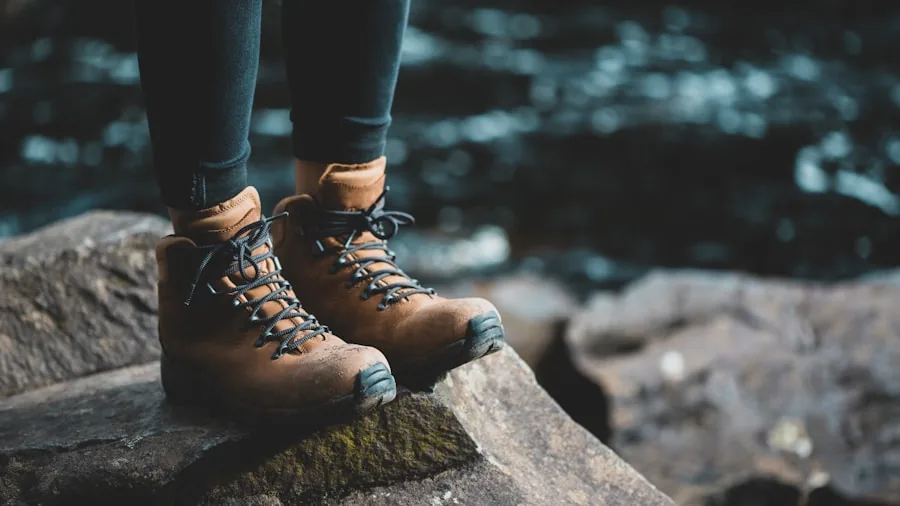
Full-grain leather uppers offer superior abrasion resistance and mold to your foot over time, but they require regular conditioning to prevent cracking in dry or salty coastal environments. Synthetic uppers dry faster, resist mildew more readily, and typically cost less, making them a practical choice for high-frequency hikers or those in humid climates.
After every muddy outing, brush off debris with a soft brush and allow boots to air dry away from direct heat sources, which can degrade adhesives and membrane integrity. Reapply a DWR spray or wax treatment when you notice water beading less on the upper surface. Proper maintenance can easily double the functional lifespan of a quality pair of backpacking boots.
Hikers who prioritize technical footwear care routines often also invest in quality climbing chalk for grip management on bouldering days between backpacking trips.
Value and Long-Term Performance
The right pair of backpacking boots is an investment. A more affordable option like the NORTIV 8 delivers compelling performance per dollar for hikers who hit the trail a few times per season. Columbia’s Newton Ridge occupies a strong mid-range position with broad appeal. The Timberland Mt. Maddsen commands a higher price but justifies it with premium construction and durability suited to demanding conditions.
Evaluate total cost of ownership rather than sticker price alone. A well-maintained boot that lasts three or four seasons outperforms a budget option replaced annually. Hikers who spend heavily on boots sometimes offset costs by prioritizing value elsewhere, for instance by choosing reliable yet affordable hiking boots for women or running shoes for men as secondary footwear.
Why You Should Trust Us
Buyadvanced is an independent review platform with no commercial relationships with the brands we cover. We purchase or independently source every product we test, and no manufacturer pays for coverage, rankings, or editorial placement. Our reviewers evaluate each boot as a complete package, scrutinizing performance, ergonomics, construction quality, and value in equal measure.
Field testing takes place across diverse American trail systems spanning muddy forest paths, exposed ridgelines, and wet coastal approaches. We supplement trail observations with structured assessments of traction, waterproof integrity, midsole compression, and upper durability. Ratings are updated as models evolve so that the information you read reflects current production units, not older versions tested years ago.
We apply the same rigorous standards across all footwear categories, from running shoes for flat feet to tennis shoes for women, so you can trust that our methodology is consistent and our conclusions are earned rather than sponsored.
Final Thoughts
After evaluating all three boots across fit, traction, waterproofing, cushioning, and durability, here is how we rank them for different types of backpackers.
- Best Overall: NORTIV 8 Men’s Ankle High Waterproof Hiking Boots delivers a balanced combination of traction, waterproofing, and day-long comfort that makes it the most versatile pick for a wide range of hikers and terrain types.
- Best Premium Pick: Timberland Men’s Mt. Maddsen Hiking Waterproof Boots stands out for its premium construction and heel cushioning, making it the top choice for hikers who regularly tackle demanding routes with heavy packs.
- Best for Wet Weather: Columbia Men’s Newton Ridge Plus II Waterproof Hiking Shoe earns its place for dependable seam-sealed waterproofing and reliable outsole grip in consistently wet and muddy conditions.
No single boot suits every hiker or every trail. Consider your most common conditions, your pack weight, and how often you plan to use them before committing. Rounding out your outdoor kit with the right trail pants and a well-reviewed shelter will make every mile more enjoyable.
Backpacking Boots FAQs
How do backpacking boots differ from regular hiking boots?
Backpacking boots are engineered for multi-day trips with heavier loads, so they prioritize ankle support, midsole durability, and upper protection over the lightweight flexibility favored by day-hiking footwear. Standard hiking boots sacrifice some of this structure to reduce weight and increase breathability for shorter, lighter outings. If you primarily do day hikes, dedicated hiking shoes may serve you better than a full backpacking boot.
What makes a good waterproof membrane in these boots?
An effective membrane blocks external water while allowing internal vapor to escape, preventing the clammy buildup that causes blisters and discomfort on long days. Seam sealing is equally important since many membrane failures occur at stitch lines rather than through the membrane itself. Regular DWR refresh treatments extend the functional life of the entire waterproofing system.
Are backpacking boots suitable for beginners?
Absolutely. Many mid-range options, including the NORTIV 8 and Columbia Newton Ridge, offer forgiving cushioning and reliable ankle support that give new hikers the stability they need while they develop trail skills. Beginners benefit from choosing a boot with a roomier fit and softer break-in characteristics so their first multi-day trip is focused on enjoying the trail rather than managing foot pain.
Do backpacking boots require a break-in period?
Most modern backpacking boots use materials that require less break-in time than traditional full-grain leather designs, but wearing them on progressively longer walks before your first big trip is still wise. Start with short neighborhood walks, graduate to a few day hikes, and confirm fit and hotspot locations before committing to a week-long backcountry route. Your feet will thank you.
How should backpacking boots be cleaned after muddy hikes?
Remove the insoles and laces, then use a soft brush and cool water to scrub away mud and debris from the upper and outsole. Allow boots to air dry at room temperature, stuffing them loosely with newspaper to help retain shape and absorb moisture. Avoid placing them near heaters, in direct sunlight, or inside a dryer since high heat degrades adhesives and membrane bonding.
Can backpacking boots handle rocky terrain effectively?
Yes, provided you choose a model with a sufficiently firm midsole and an aggressive rubber outsole. Deep multidirectional lugs grip ledges and loose shale, while a reinforced toe cap protects against stubbing on exposed roots and boulders. Hikers who regularly venture onto technical routes may want to complement their boots with climbing shoes for sections that demand precise footwork.
Where can I find more outdoor footwear recommendations?
Buyadvanced covers a wide range of outdoor footwear categories. If you are shopping for a partner or group member, our hiking boots for women guide covers top-rated options across fit profiles and terrain types. For lighter-duty options, our reviews of trekking boots and backpacking boots for men cover adjacent categories in similar depth.
What common issues affect backpacking boot longevity?
Premature outsole delamination, midsole compression, and seam failures are the most common durability problems. These typically occur when boots are used in conditions beyond their design intent, such as running a waterproof winter boot through hot desert terrain for hundreds of miles. Rotating between two pairs, storing boots properly, and performing basic maintenance after every outing dramatically extends useful life.
How do NORTIV 8, Columbia, and Timberland compare overall?
Each brand brings distinct strengths. NORTIV 8 excels in value and accessibility, making it the smart choice for hikers who want capable waterproof performance at a more approachable price. Columbia’s Newton Ridge is a proven all-rounder with strong brand support and broad retail availability. Timberland’s Mt. Maddsen targets hikers willing to invest more for premium materials and refined cushioning on demanding routes. Your ideal pick depends on trip frequency, terrain, and budget priorities. For broader outdoor gear context, our ski jackets for men and ski gloves guides apply the same independent methodology to winter apparel.
Write Your Review
No reviews yet. Be the first to share your experience!